Third-Party AI Safety Assessments Need More Than Good Intentions
Frontier AI labs love talking about independent oversight. But turning third-party safety assessments into actual accountability requires deep technical access and genuine independence....

Everybody wants to talk about third-party AI safety assessments right now. It sounds responsible. It plays well in press releases. But let's be honest about how this usually works: a massive lab hands over a sanitized dataset, lets an external team poke around the edges of a sandbox, and calls it rigorous independent validation. That is not oversight. That is a marketing audit wrapped in academic jargon.
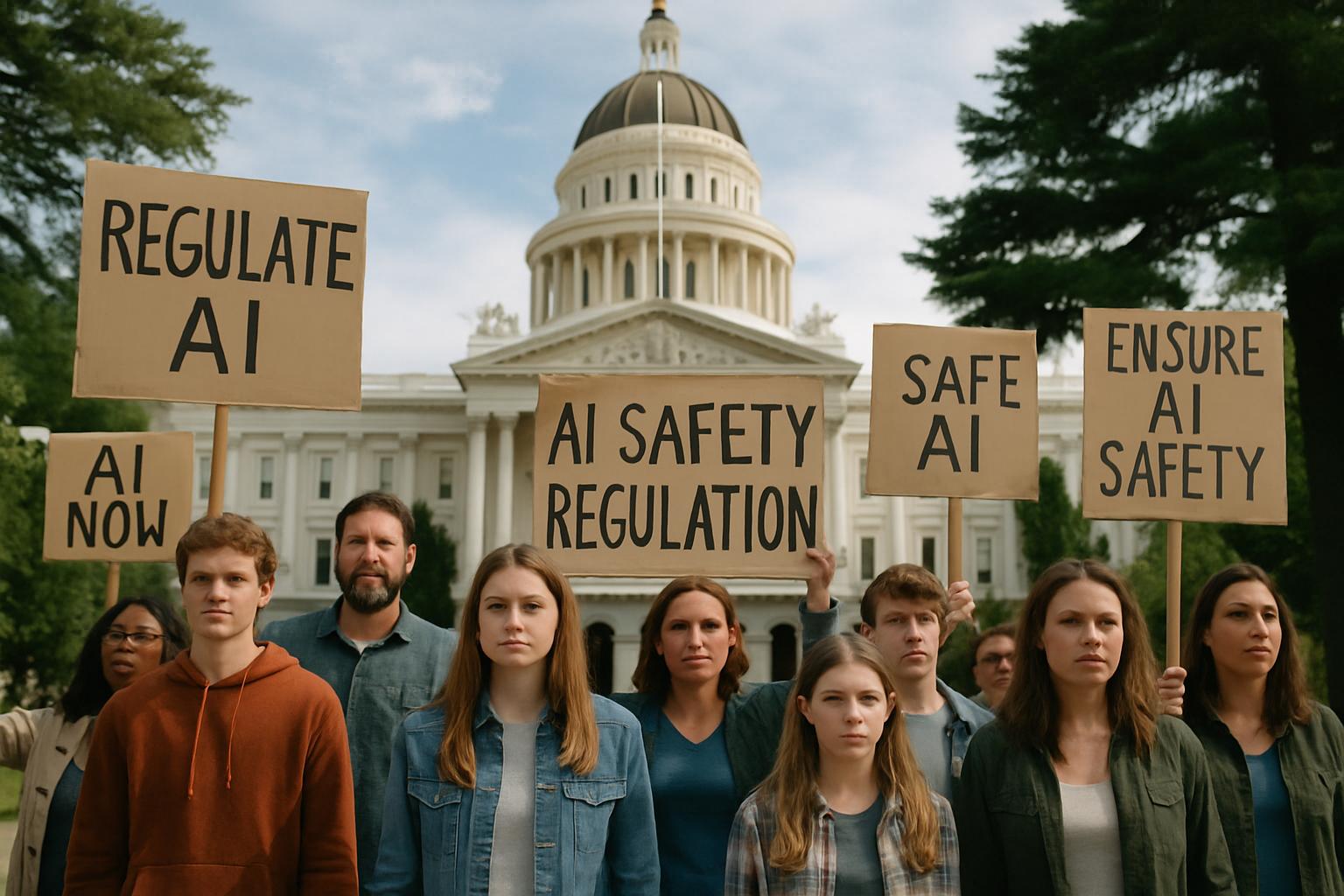
Actually, if we're going to trust independent audits of frontier models, the ground rules have to change drastically. The real third-party safety assessments demand — oddly — record access to training pipelines, unredacted chain-of-thought data, and internal deployment base. Assessors need the freedom to challenge foundational assumptions, probe unexpected failure modes. Fair point. Legally, publish their findings without corporate interference or binding muzzle clauses getting in the way — at least for now.
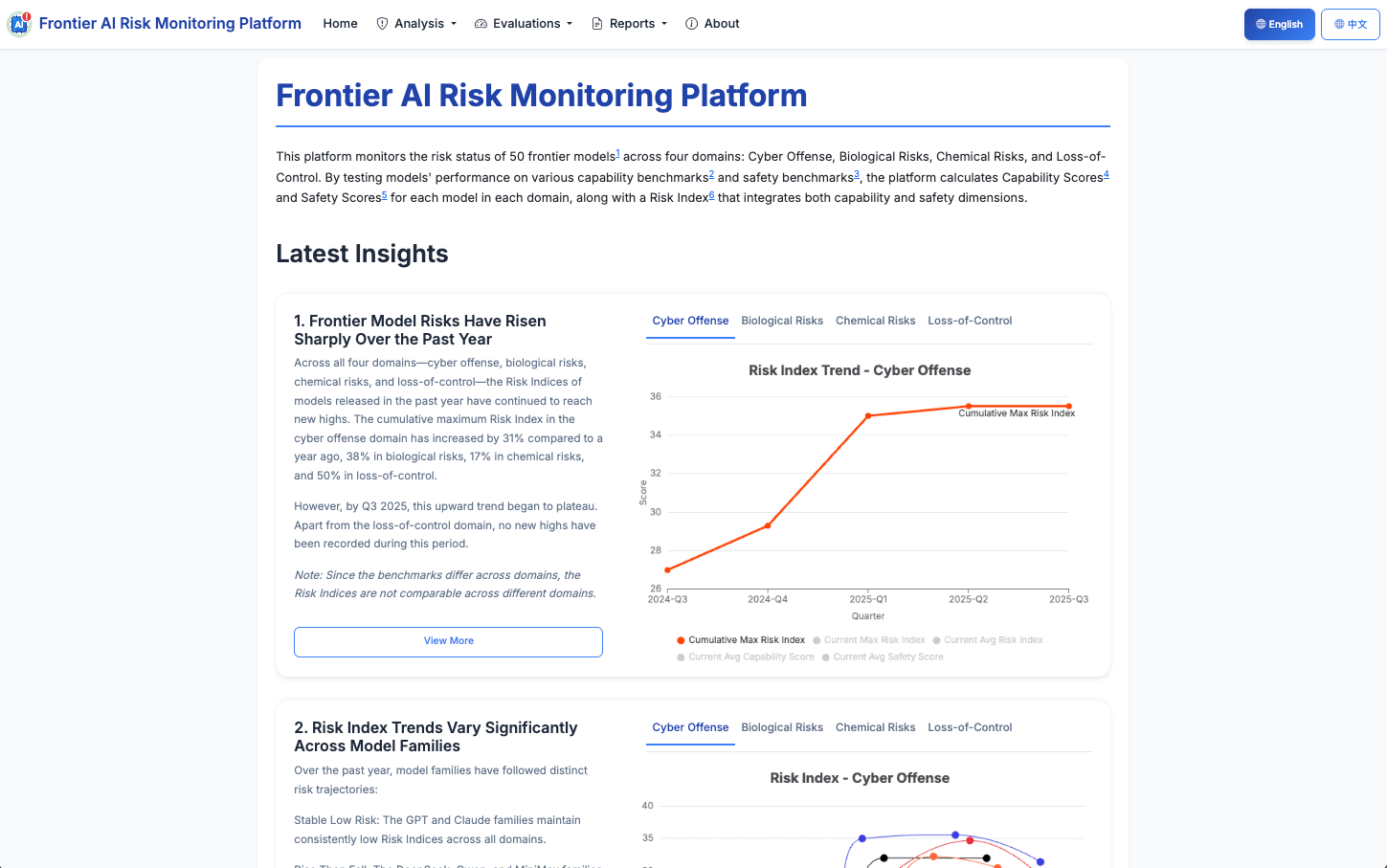
The truth is, true scientific rigor — and this matters — can't thrive in a commercial vacuum where the audited entity holds all the cards. Labs want safety claims validated, yet they also to control the narrative around existential risk. We need shared international standards that protect proprietary secrets while stripping away the superficial theater that now passes for independent verification — in a way.
Until labs start treating external evaluators as genuine adversaries rather than outsourced PR departments, these frameworks will remain hollow. Oversight isn't a box to check before a product drop. It's the friction required to keep powerful technology honest.