Atomically Thin Materials May Finally Solve Quantum Computing's Biggest Spatial Bottleneck
MIT researchers just used 2D atomic layers to shrink qubits by a factor of 100 without trashing performance. Here is why that actually matters....
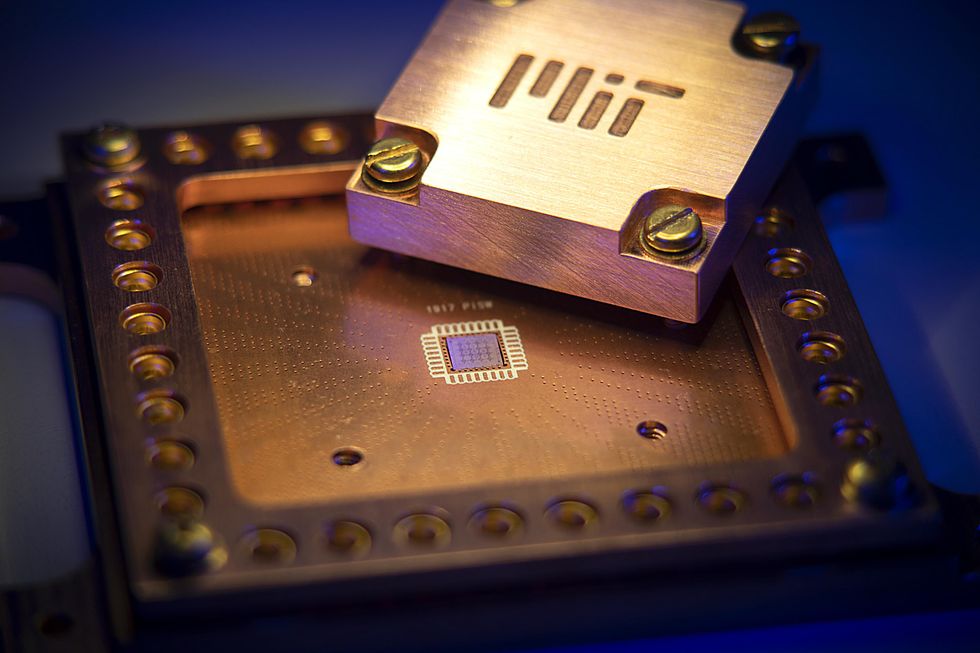
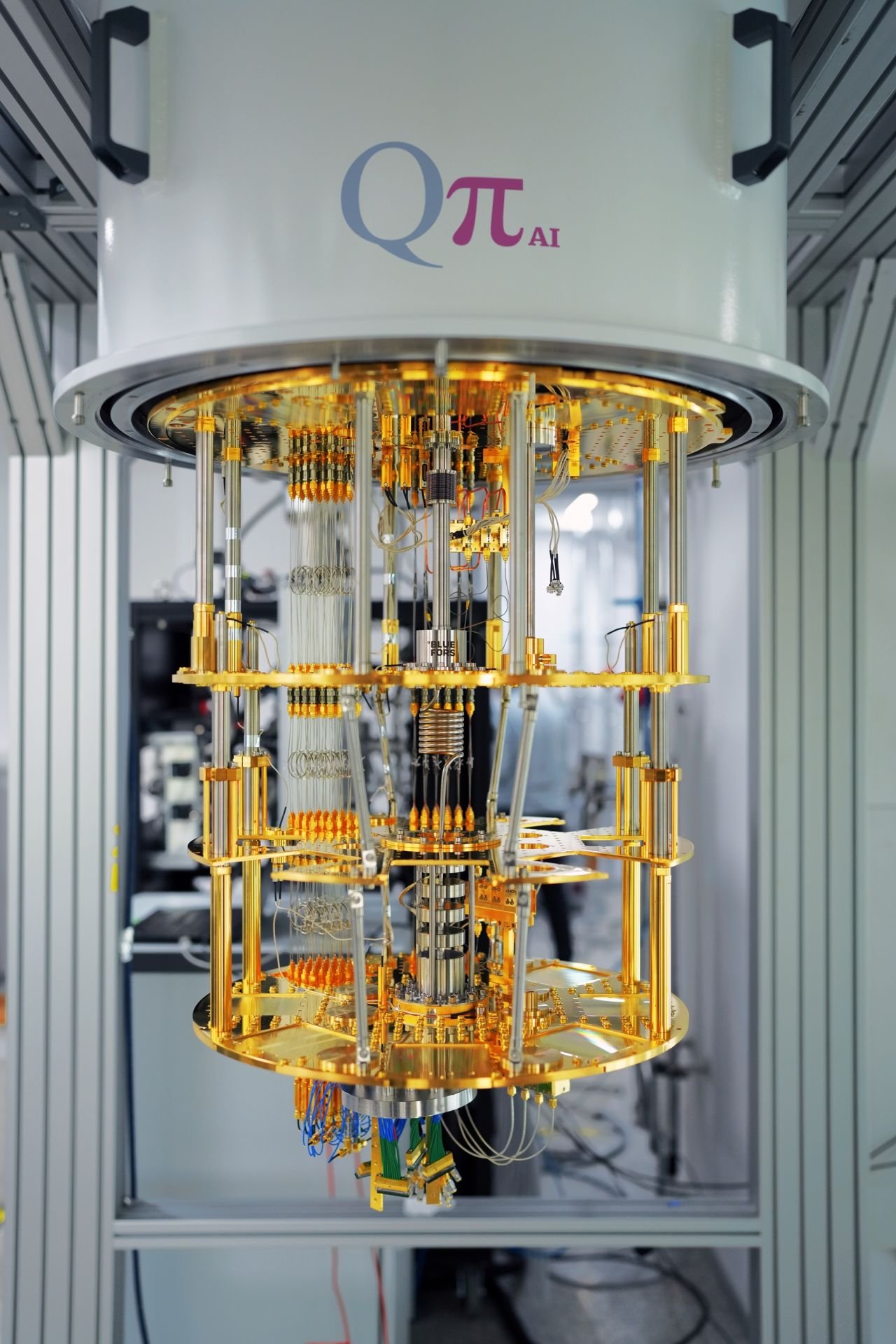
Quantum computing has spent — oddly — years driving down a very predictable, very bulky highway. The everybody wants more processing units, but nobody has figured out how to build them without the hardware turning into a sprawling, football-field-sized refrigeration nightmare. However, nobody has figured out how — and this matters — to build them without the hardware turning into a sprawling, football-field-sized refrigeration nightmare. Oddly enough, if you follow the space, you know the roadmap. IBM and other heavy hitters push toward thousands of superconducting qubits. Yet the physical footprint scales up right along with the numbers. We are looking at massive chips the size of small silicon wafers just to house a usable processor.
That brute-force scaling approach always felt like a temporary hack to me. You cannot simply throw more real estate at a quantum processor forever. The fundamental physics rebel. MIT researchers recently cracked open a better door by tackling the dual nightmare of miniaturization and signal interference at the exact same time. They managed to multiply superconducting qubit density by roughly one hundred. That is not an incremental tweak. That is a structural leap forward.
The secret weapon here is surprisingly delicate: two-dimensional hexagonal boron nitride. Instead of leaning on traditional bulky dielectric layers that introduce catastrophic electrical noise at near-absolute-zero temperatures, the team stacked a few atomic monolayers of hBN. Sandwich, in practical terms, this lets them switch from sprawling, wide-spread coplanar capacitor designs to compact, vertically stacked structures. They squeezed the footprint while sharply cutting down the cross-talk that usually wrecks neighboring quantum states.
William Oliver made a vital point about this breakthrough: you cannot trade performance for pure head-counting in quantum architectures. Scaling up trash doesn't get you anywhere. What I respect about this MIT work is the focus on fundamental materials engineering rather than just gluing more chips together in a multichip module. Real progress in tech usually comes from digging down into the atomic level and fixing the physics first. When we finally get dense, reliable quantum hardware, it will not be because we built bigger refrigerators. It will be because we learned to build smaller physics.









