Google’s Orbital Data Center Plan is Pure Sci-Fi Hype
Google wants to launch fridge-sized data centers into orbit for 24/7 solar-powered AI. But before we build sky-servers, let's look at the physics....
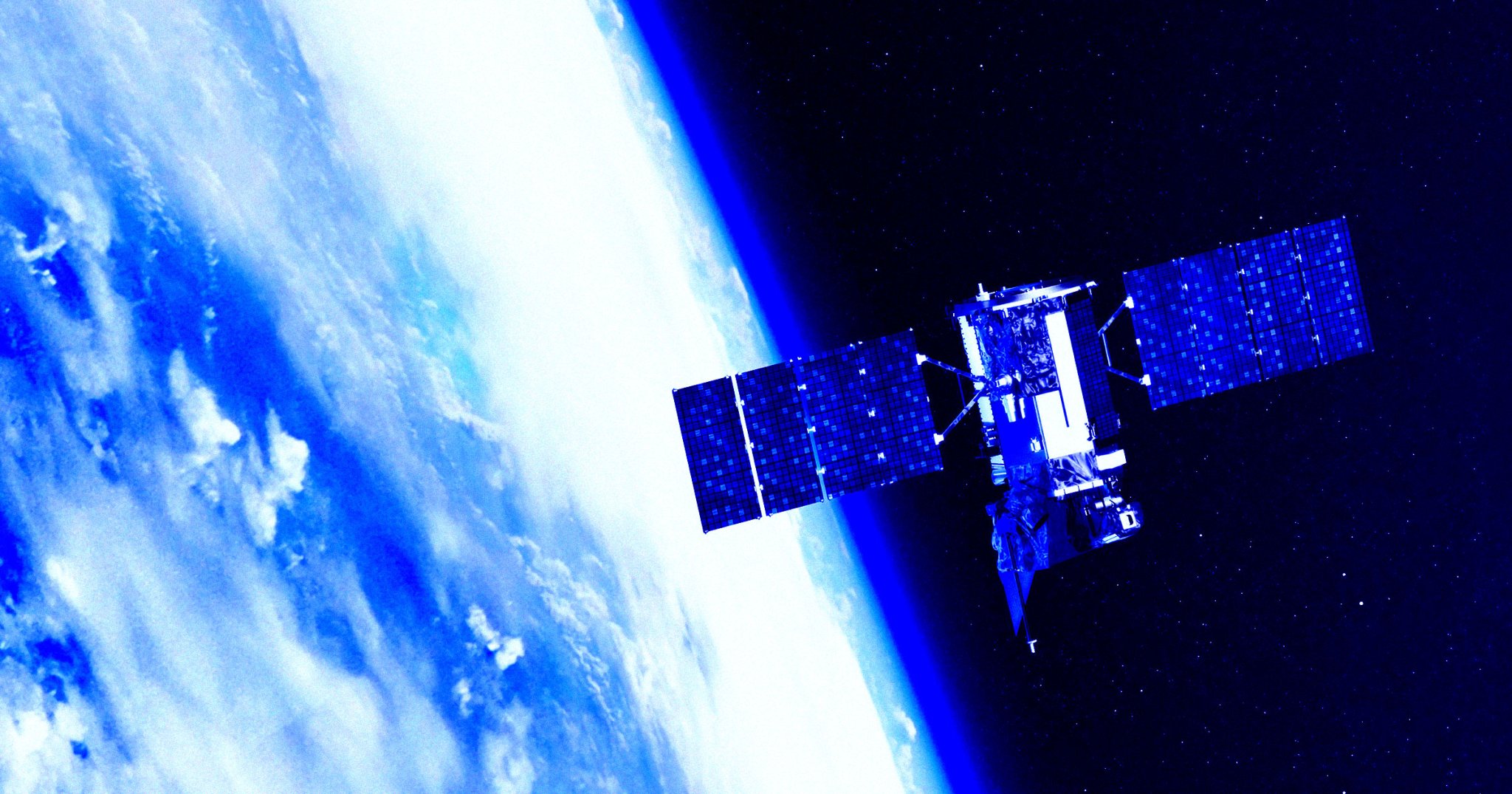
Tech giants love a grand distraction. Whenever terrestrial infrastructure starts buckling under the sheer, unbridled weight of AI power demands, they don't look inward. They look up. Google is currently prepping an experimental fridge-sized satellite for launch, kicking off Project Suncatcher with the grand ambition of putting AI data centers in orbit to harvest endless, unfiltered sunlight.
The pitch sounds seductive on paper. Why fry local electrical grids, drain municipal water supplies, and pump out massive carbon emissions on Earth when you can float your compute stack into the exosphere? The reality, of course, is a mechanical nightmare. We are talking about cosmic radiation turning high-end silicon into expensive shrapnel, orbital debris tearing constellations to shreds, and thermal management problems so severe that the first prototype can only run for fifteen minutes at a time before needing a forced nap.
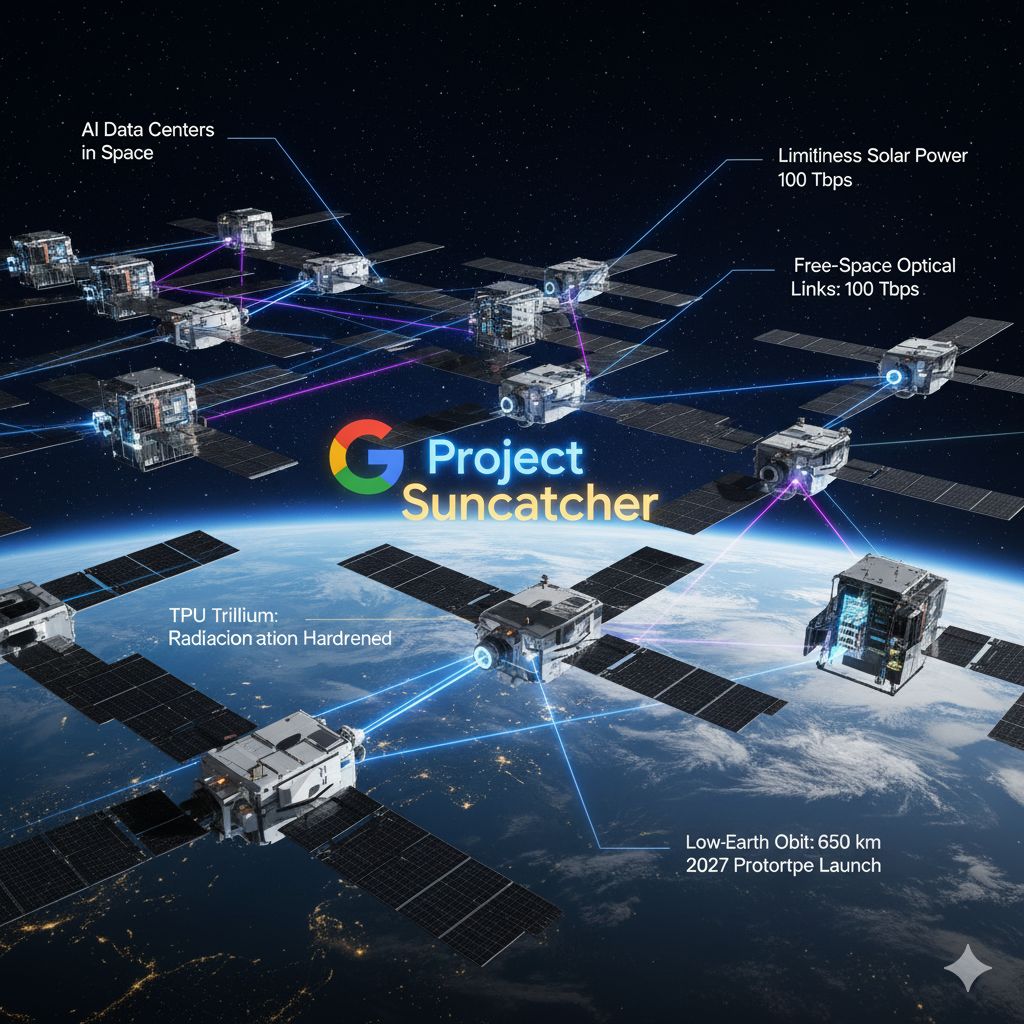
Even the folks leading the charge know this is a multi-decade moonshot. James Manyika candidly admitted we are years away from anything resembling a functional orbital utility. Comparing the timeline to their painfully slow rollout of autonomous vehicles. Yet the corporate PR machine keeps grinding, dangling visions of massive space constellations by the 2030s while glossing over the minor detail that nobody has figured out how to service a fried motherboard five hundred miles above Kansas without a multi-billion-dollar spacewalk.
I respect ambitious engineering. I really do. But there is a distinct difference between pushing boundaries and escaping the consequences of poor terrestrial capacity planning. Until we can keep space-borne hardware cool without melting it, shield it from ionizing radiation, and maintain a high-throughput connection that doesn't drop packets every time a piece of shrapnel zips past, orbital data centers remain a flashy tech-billionaire fantasy.









