Agentic Video Understanding Fixes How We Process Long-Form Media
Google's new agentic video understanding lets Gemini dynamically search files instead of blind 1 FPS sampling, slashing token costs....
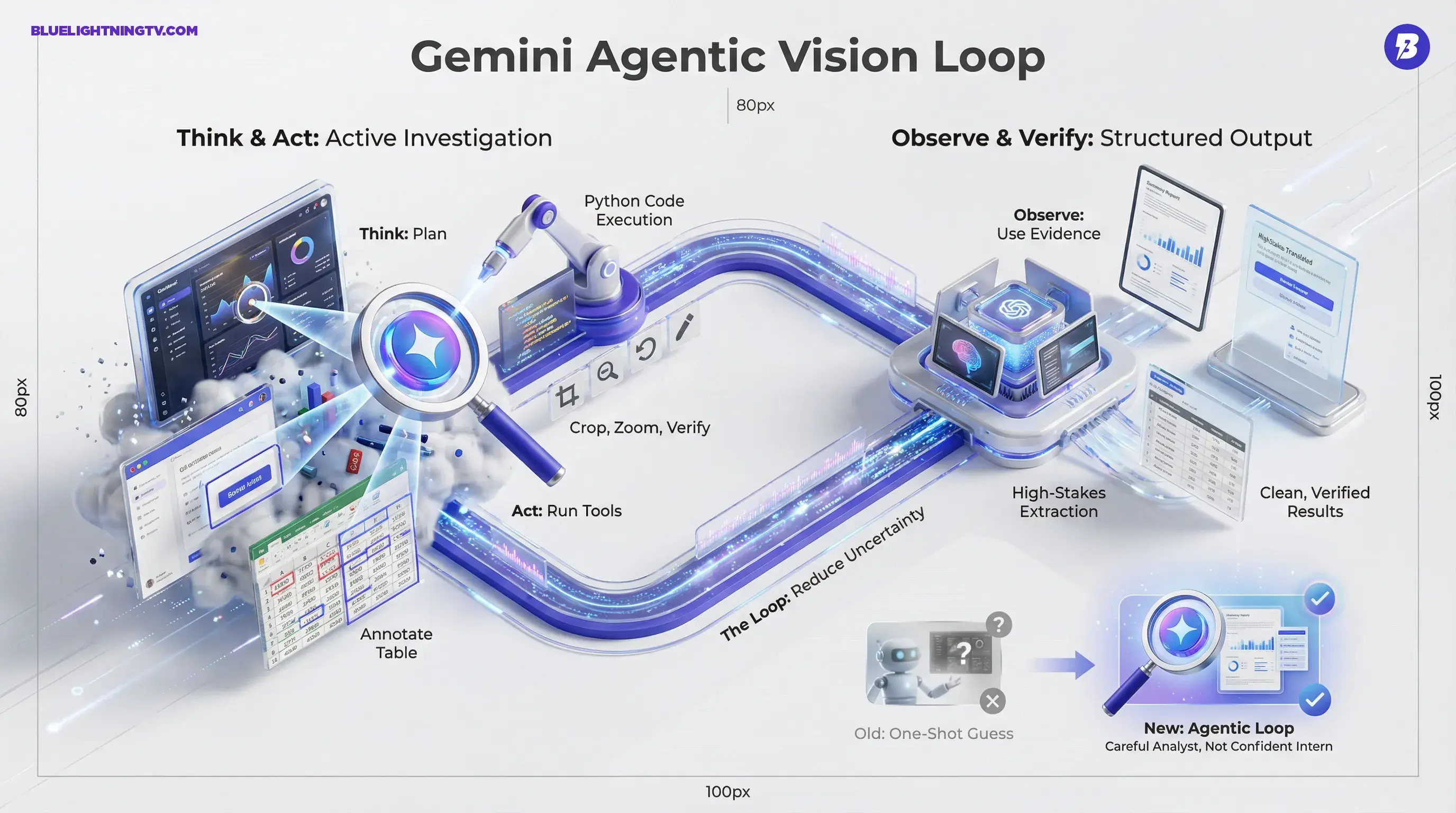
For years, feeding video into a large language model felt like an expensive guessing game. You either dumped massive streams of frames at a fixed rate, watching your API budget evaporate in real-time, or you aggressively throttled the sample rate and crossed your fingers that the model wouldn't hallucinate missing context. It was brute force engineering at its worst. Static processing meant paying heavily just to stare at hours of dead air while hoping the network caught the one important second of action. That approach is finally dead.
Google's rollout of agentic video understanding across the Gemini Flash lineup changes the mechanics entirely. Instead of blindly slurping every frame, the model takes an active, goal-directed role in parsing media. It loops through audio tracks, visual frames, and transcripts on its own terms, fetching only the exact segments required to answer a prompt. Probably, and transcripts on its own terms, fetching only the exact segments required to answer a prompt. Sub-second moment retrieval suddenly works without crushing your base.
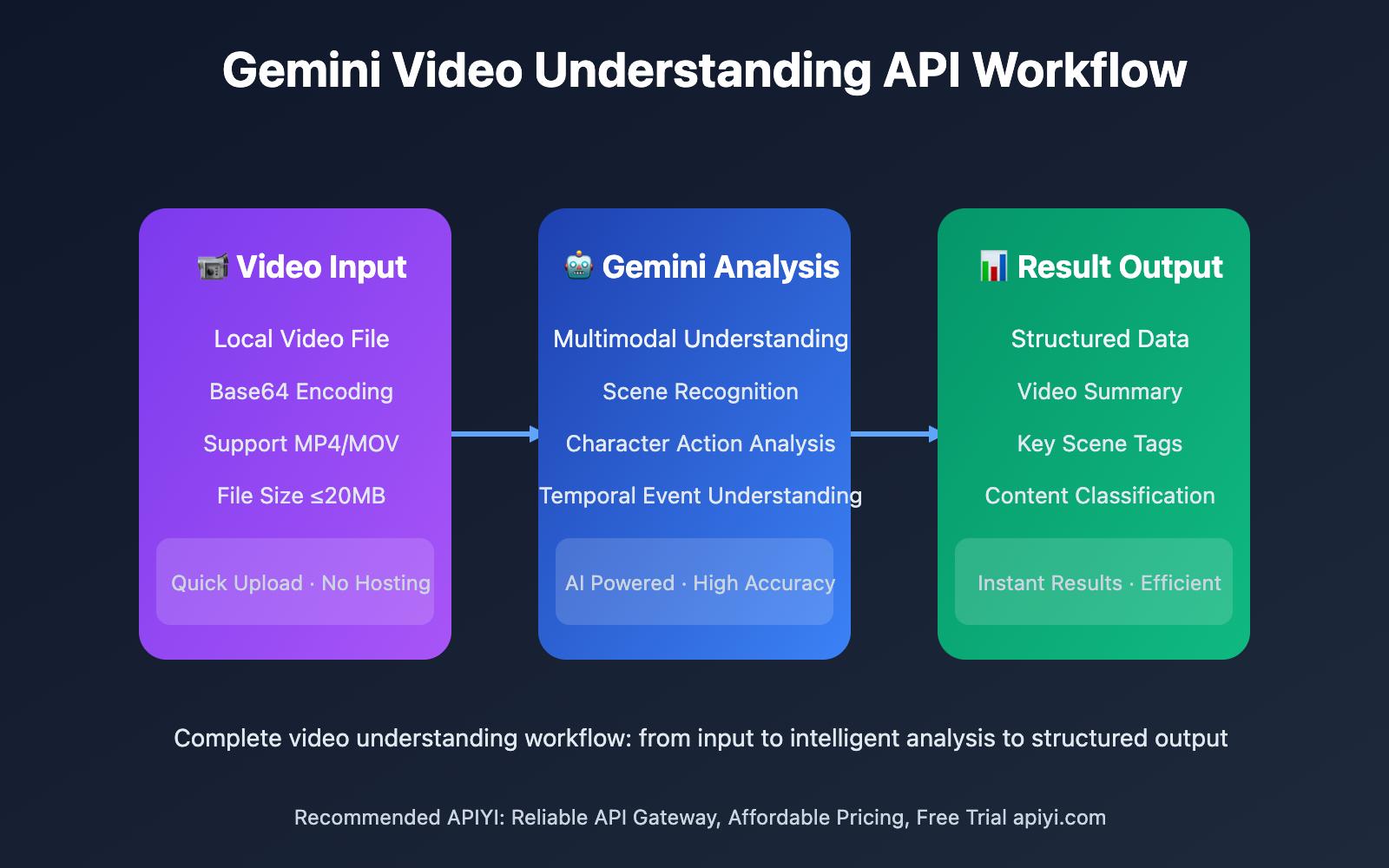
The benchmarks tell a sharp story. We are looking at up to an 88 percent drop in token consumption alongside a 66 percent cost reduction, all while accuracy ticks upward. If you have ever tried to analyze a ninety-minute lecture or a dense software walkthrough programmatically, you know how painful the old model was. Developers no longer have to choose between financial ruin and missing critical visual subtle.
This shift matters because it signals a maturing approach to multimodal AI tools. This stop shoveling raw data into monolithic context windows. Instead, let the model act like a proper researcher, inspecting files dynamically, searching with intent, and pulling only what topics. When the underlying primitives — oddly — actually respect compute output, crafting software becomes infinitely more interesting.









