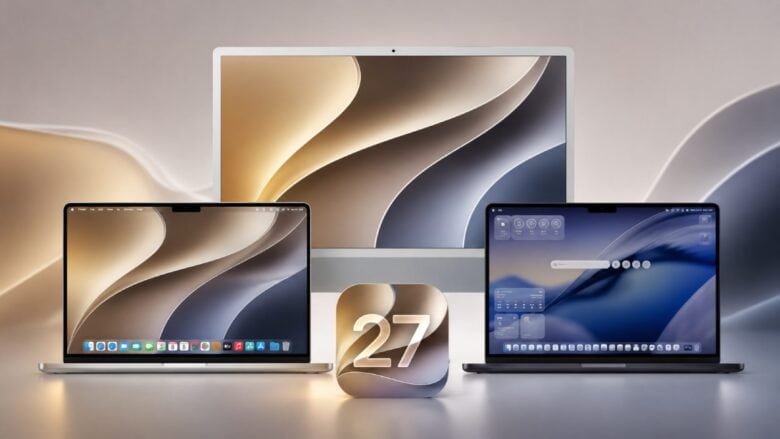
macOS 27 Golden Gate marks the final curtain for Intel
Apple's latest macOS 27 Golden Gate release brings deep AI integration and finally draws a hard line under Intel support....

Apple has officially pushed out macOS 27 Golden Gate, continuing its tradition of naming operating systems after iconic Californian landmarks. But beyond the marketing gloss, this release marks a definitive technical milestone: it is the first macOS version to be entirely exclusive to Apple Silicon. If you are still holding onto an Intel-based Mac, the writing has been on the wall for a while, and the wall is now freshly painted.
The headlining feature list reads like a checklist of current industry trends, leaning heavily into localized AI through Apple Intelligence. We get the usual round of systemic proofreading tools, conversational contextual Siri upgrades, and smarter file organization. To be fair, some of these ambient utility features actually save time rather than demanding it, which is a welcome shift from the usual bloated OS feature creep we've grown accustomed to seeing.
Under the hood, developers and power users will likely care more about the practical engineering wins. Game Porting Toolkit 4 quietly delivers meaningful performance strides for running Windows titles on macOS, while low-level networking, Spotlight indexing, and external display handshakes feel noticeably snappier. It is clear that Apple's engineering teams are doubling down on squeezing every drop of efficiency out of their proprietary hardware architecture.
At the end of the day, operating system upgrades are routine, but the complete severing of the Intel cord feels like the end of an era. For builders and small teams relying on modern hardware, macOS 27 is a solid, focused release that lets the silicon finally stretch its legs without looking in the rearview mirror.