Why the AI Training Data Gold Rush is Masking a Deeper Vulnerability
Snorkel AI just tripled its valuation to $3.5 billion, proving that the real fortune in the AI boom isn't in models—it's in the messy work of feeding them....

Everybody is talking about the models, but the real money is happening in the dirt. When Snorkel AI pulls off a massive $350 million Series E at a staggering $3.5 billion valuation, it sends a blunt message about where the actual bottlenecks in modern technology lie. We are swimming in algorithms, drowning in wrappers, and starving for quality information. The gold rush has officially moved from the shiny pickaxes of foundation models to the grueling, unglamorous logistics of AI training data.
Think about what Snorkel is actually selling. They are not pushing another chatbot interface or promising general artificial intelligence by next Tuesday. They are engineering synthetic environments and curated training datasets because the web has essentially been scraped dry. We fed the beast the entire internet, and now the beast is hungry for bespoke nourishment. When a company triples its valuation in a year and a half, hitting an eye-watering annualized revenue run-rate in the process, you have to look past the usual venture capital theater and recognize a fundamental supply chain crisis.
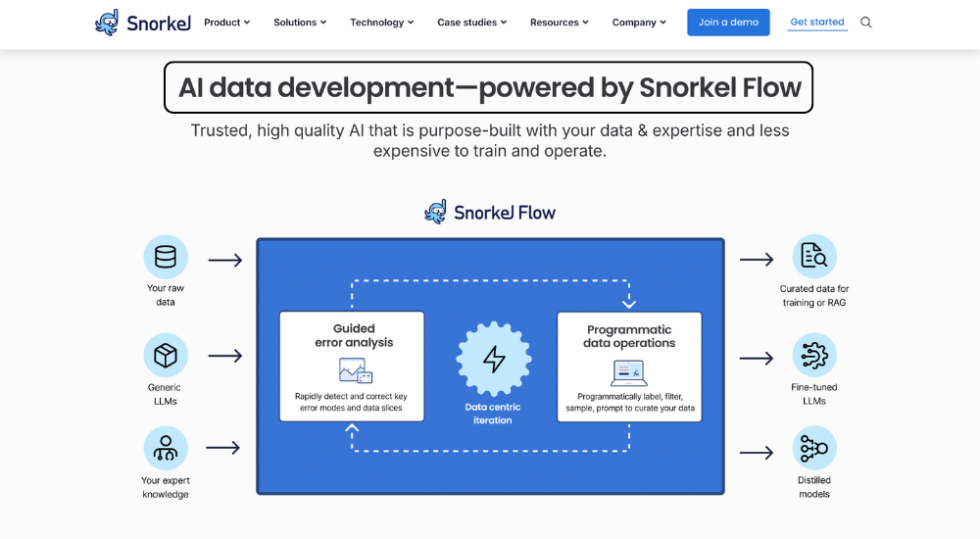
Yet we need to look closer at these staggering financial figures floating around the data economy. This look at Mercor, Handshake. And Micro1 posting billion-dollar gross metrics while quietly funneling the vast majority of that cash right back out to human domain experts doing the heavy lifting. Gross revenue numbers in the data-as-a-service space (to be fair) often obscure the reality on the ground. Masking what is essentially a massive, highly digitalized outsourcing operation wrapped in clever software. Snorkel is playing a slightly other game by leaning heavily into synthetic generation. Also, reinforcement learning simulations, but the core truth remains unchanged. Building intellect requires an immense amount of scaffolding.
For small teams and independent builders watching this spectacle from the sidelines, the takeaway shouldn't be despair over the sheer scale of capital involved. It is a reminder that craft matters more than ever. While the giants fight over trillion-token datasets and billions in venture backing, the most interesting software is often built by small groups solving specific, constrained problems with precision rather than brute force. Let them spend the billions on synthetic data. We have actual things to build.









