Why E-Commerce AI Agents Keep Failing: The Case for Ecom-RLVE
Chatbots are great at sounding polite, but terrible at buying the right shoes. A new approach to reinforcement learning might finally fix that....
Most shopping assistants are glorified search bars with a chat wrapper. They chat smoothly until you ask them to handle a multi-step return or cross-reference three strict constraints. Then they hallucinate. They invent product IDs. They break completely. The core issue is simple: fluency does not equal task completion. Supervised fine-tuning teaches models how to mimic human tone, but it completely fails when faced with the messy, combinatorial reality of transactional workflows.
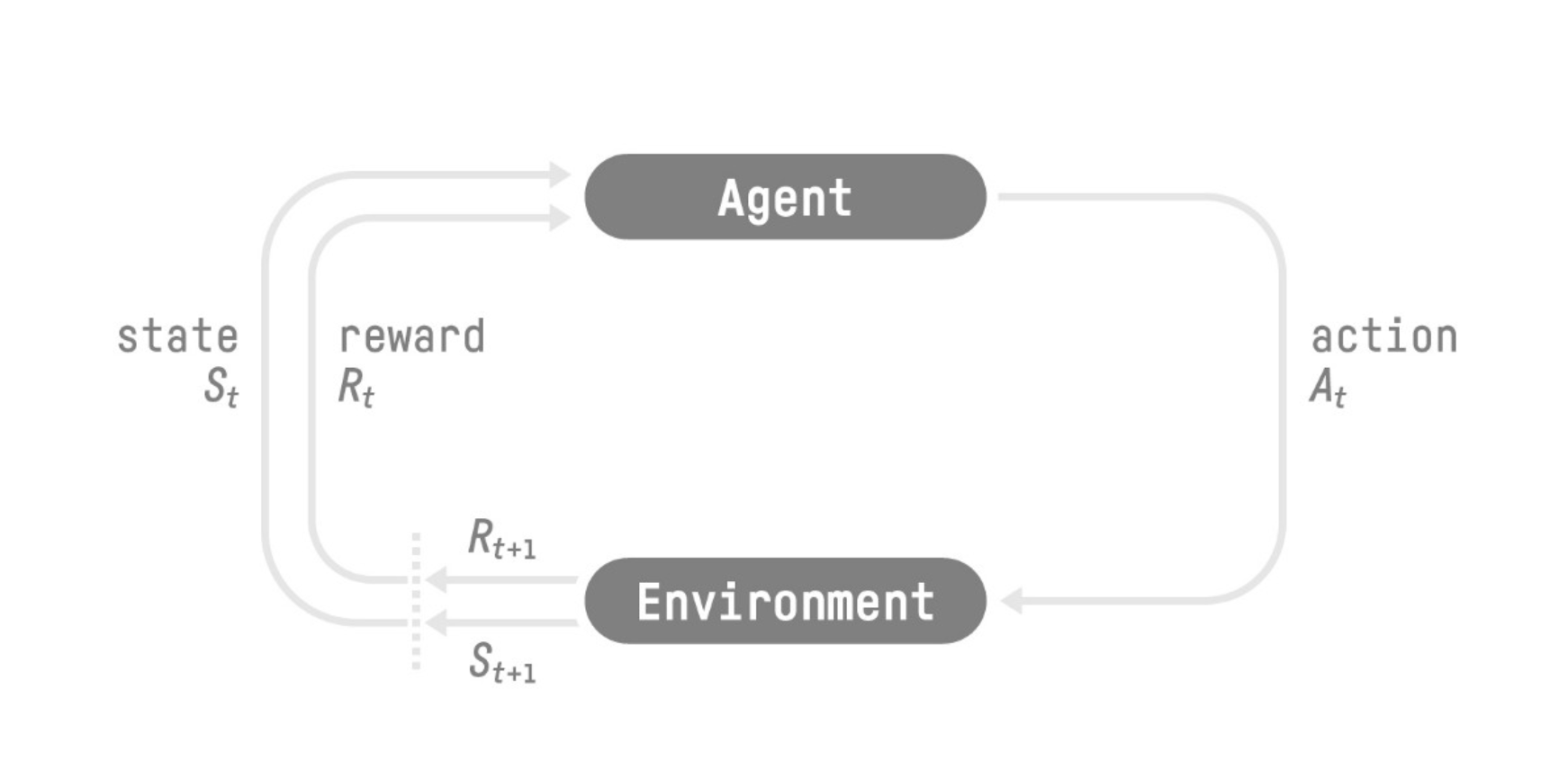
That is why Ecom-RLVE caught my attention. Instead of relying on subjective LLM-as-a-judge scores or expensive human annotation, this framework forces conversational agents to operate inside rigorous, procedurally generated environments. It scales difficulty across twelve distinct axes. Most importantly, rewards are strictly algorithmic. Either the cart is correct, or it isn't. Either the return was filed against the right order line, or it failed.

We're finally moving past pure text-in, text-out reasoning puzzles into actual agentic steps. Real talk: planning to complex policy queries – the project tackles the exact gaps that make current e-commerce bots feel utterly useless. By building eight distinct environments – covering everything from bundle—and this matters. When a top choice goes out of stock mid-conversation. The agent has to call tools, tweak world states; and, adapt.
We've to stop grading them on how nice their prose sounds, if we want autonomous systems to do real work. We need verifiable outcomes, harsh environments. Instead, training loops that penalize failure of rewarding polite nonsense. Real talk: this is the kind of practical, nuts-and-bolts engineering that actually moves the needle.