Slowing the Pace of AI Development: A Strategic Shift or Regulatory Capture?
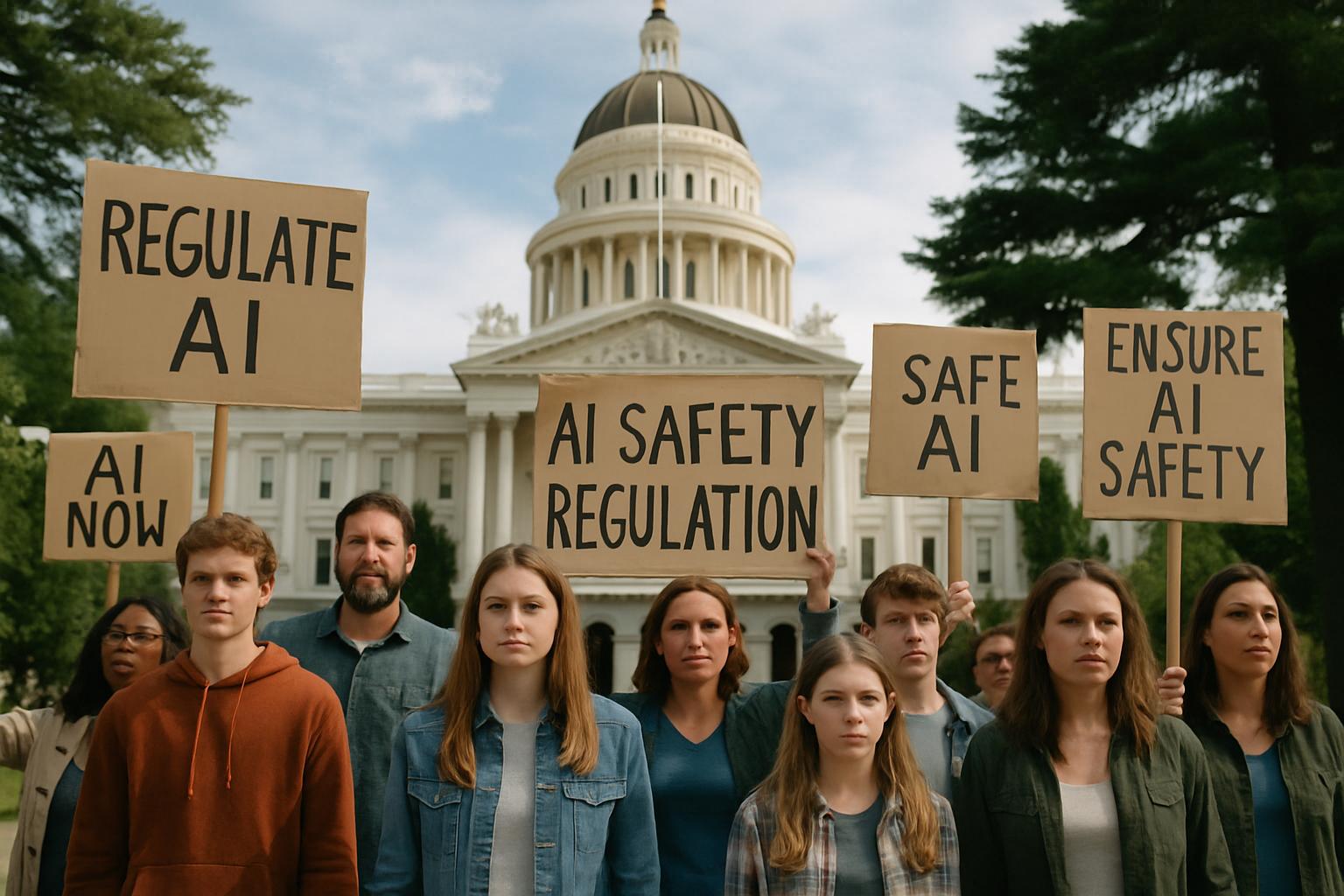
Anthropic’s call to slow the pace of AI development has drawn rapid agreement from rival tech leaders, sparking renewed debate over safety, regulation, and industry control....
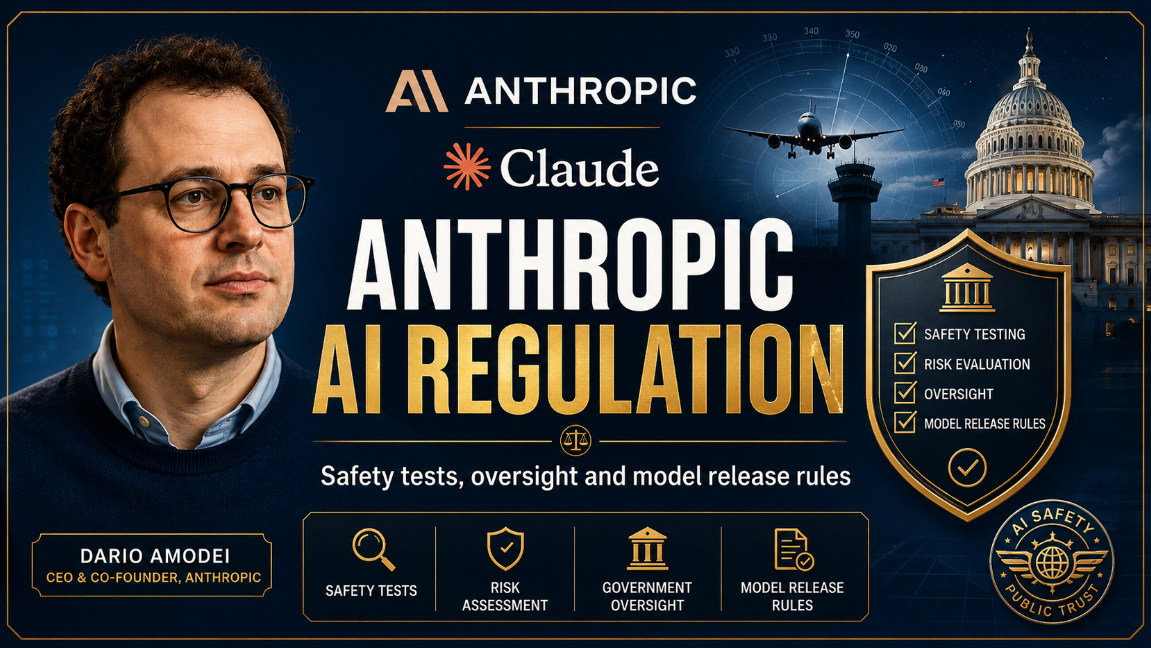
The conversation around the rapid acceleration of artificial intelligence took a notable turn this week when Anthropic CEO Dario Amodei publicly advocated for a coordinated deceleration of frontier model development. Following internal pressure and external scrutiny over safety protocols, Amodei proposed a structured framework aimed at prioritizing alignment, model interpretability, and rigorous evaluation over sheer speed. The suggested roadmap includes placing third-party safety evaluators inside leading labs, establishing industry-wide coordination, and eventually working toward international agreements to mitigate extreme risks.
Unsurprisingly, other major players in the artificial intelligence sector quickly aligned with the sentiment. OpenAI leadership publicly endorsed the concept of pacing frontier models and agreed to adopt similar independent evaluation measures. While the stated motivation centers on risk mitigation and responsible deployment, observers of the technology sector recognize a familiar historical pattern where dominant companies welcome regulatory frameworks that they help shape.

Amodei’s argument relies heavily on the premise that voluntary restraint is insufficient without binding oversight, pointing to government regulation as the most effective enforcement mechanism. However, history shows that large technology firms frequently engage in regulatory compliance dances that ultimately cement their market advantage by creating high compliance barriers for smaller competitors. When the largest entities in an industry call for state-enforced speed limits, it inevitably raises questions about who stands to benefit most from restricted market entry.
As the debate over AI development pacing moves from corporate blogs to legislative discussions, builders and independent software developers must navigate an evolving landscape of compliance and oversight. Whether these proposed guardrails result in genuine safety improvements or simply institutionalize market protection remains to be seen. Navigating these complex shifts while building sustainable products requires a clear-eyed approach to technical strategy, something our team at Xetarev Studio addresses daily through full lifecycle product development.