Agentic AI Security Is Our Next Big Architectural Mess
Autonomous software agents are quietly spinning up in production environments everywhere right now. They have zero oversight, loose credentials, and they are about to break traditional identity management completely....

Somewhere in your base right now, an autonomous agent is running amok. It likely lacks a proper identity, answers to no specific owner. Also, operates with the kind — and this matters — of broad, unchecked access that should make any sensible engineer sweat. Then again, developers are (interestingly) spinning these things up to chase output gains. Wiring them directly into production systems while IT looks the other way. Minor, this isn't just a oversight; it's a massive. Glaring security blind spot that we're actively ignoring in favor of shipping fast; chasing the latest shiny hype cycle.
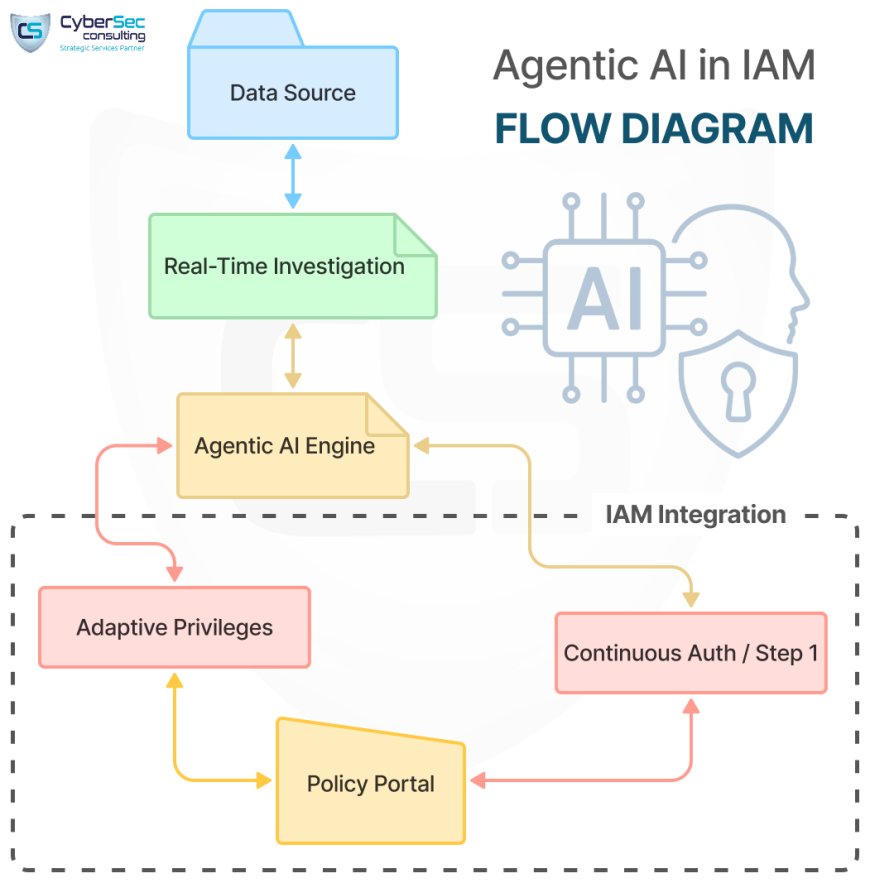
The core problem is simple: our current security tools were never designed for this reality. Traditional identity and access management assumes a human sits behind the keyboard, authenticated once during onboarding and governed by static roles. Even legacy non-human identity systems rely on predictable service accounts and hardcoded API keys. Autonomous agentic AI breaks every single one of these foundational assumptions. These systems operate at machine speed, make independent decisions, trigger complex workflows, and frequently inherit whatever lazy, coarse-grained credentials happen to be lying around in their immediate runtime context.
We are currently being sold a false binary choice by the enterprise security industrial complex. They want us to believe we must either slam the brakes on innovation to keep things locked down, or throw caution to the wind and embrace unquantifiable risk just to stay competitive. That is a false dilemma. The real engineering challenge isn't choosing between velocity and safety; it is building enough verifiable trust between humans and autonomous code that we can finally stop playing this exhausting game altogether.
Adapting old models like Zero Trust for the agentic era means throwing out implicit trust entirely and stripping away over-permissioned access by default. If an agent wants to query a database or fire off a request, it needs per-action, per-session validation. Until we build proper governance into — oddly — the setup from day one, we're just waiting for a very expensive disaster.