Why I Swapped TrueNAS for Debian and Cockpit on My Home Server
Tired of a home server OS consuming half my RAM just to idle, I stripped out the appliance layer and dropped back to bare Debian with Cockpit....
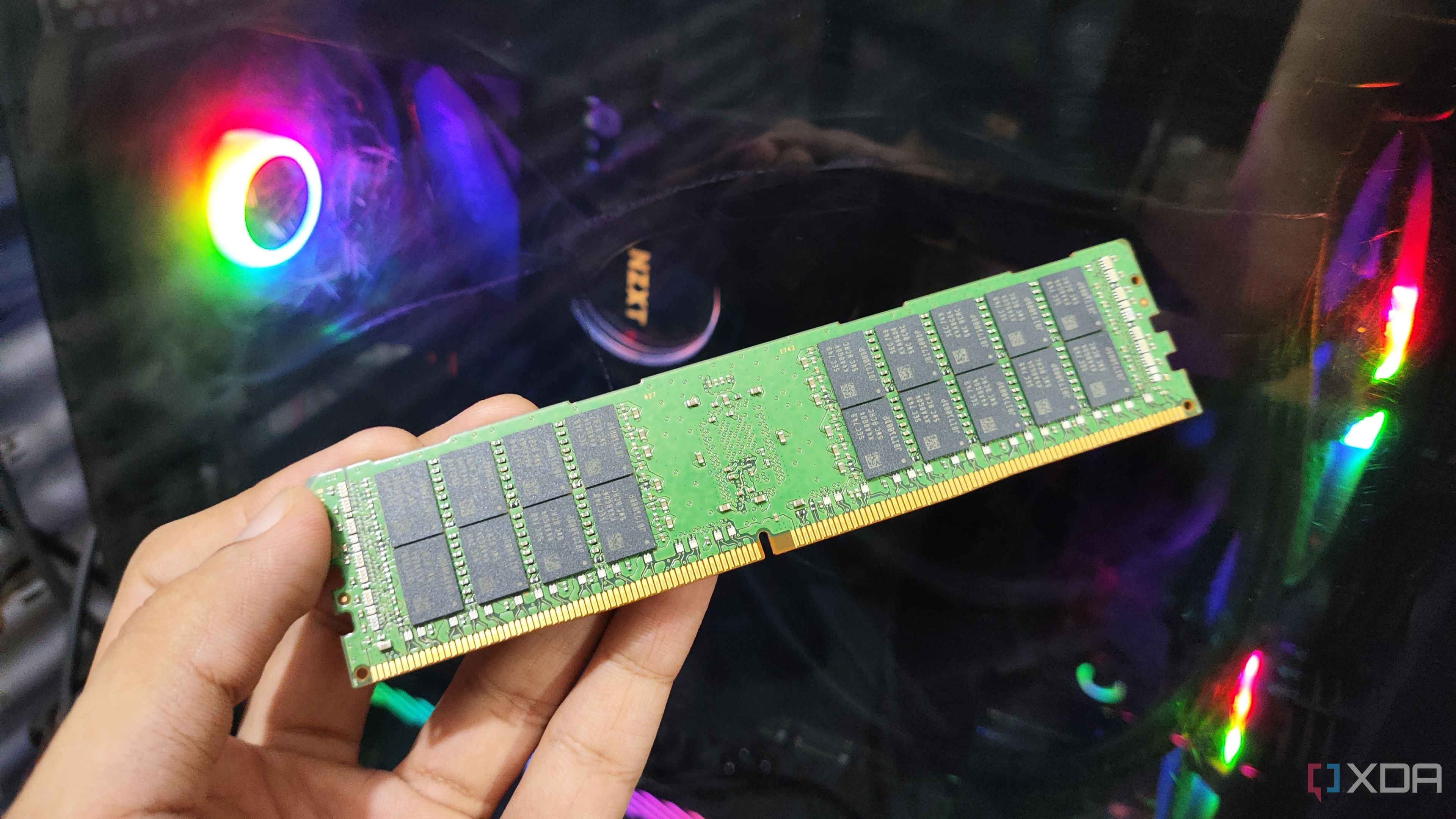
For years, everyone whispered the same absolute rule: a dedicated network-attached storage box demands a purpose-built operating system. I bought into it, running TrueNAS on home hardware until a quiet Tuesday when I noticed nearly half my total memory had vanished before a single file even moved. Hardware costs too much today to throw expensive silicon at an idle software tax. RAM vanished. It felt absurd.
TrueNAS isn't bloated by accident, but its baseline demands are heavy. The middleware, the web UI, the container stack, and ZFS all drink from the same memory well simultaneously, leaving almost no breathing room for the read cache. Every time I checked the metrics, I felt annoyed. Worse yet, the underlying package manager locks you out entirely if you want to run a simple utility like restic for off-site backups outside their official container ecosystem. Appliances guard themselves against user error, but they also strip away the joy of actually managing your own hardware.
Migration required one terrifying command and zero faith in corporate safety nets. It i backed up my configs, exported the pool, wiped the drives — and dropped clean Debian 13 onto the bare metal with nothing but SSH and standard utilities. ZFS sits comfortably in the repositories, and pulling a modern OpenZFS release took seconds. A single import command later, terabytes of photos, documents, and Linux ISOs I swear I will eventually review materialized intact. Done.
Rebuilding the actual storage sharing features took roughly fifteen minutes using Cockpit and a few community plugins. Managing Samba, NFS, and containerized workloads through a clean web interface without a massive memory footprint completely changes the math on older hardware. Why pay a heavy software toll just to keep your drives spinning? Stripping it down to a lean Linux base with a modern browser dashboard might just save your sanity – and your RAM. That matters.
We keep chasing heavier abstractions when simpler foundations usually run faster, cost less, and teach us more about how things actually work under the hood.