Why It Took Google Years to Add a Speedometer to Android Auto
Google Maps is finally letting Android Auto users keep a permanent speedometer on screen. It only took them over a decade to catch up to Waze....
Software development at giant tech companies often moves at a glacial pace, bound by internal silos and bizarre product priorities. Take the Android Auto speedometer in Google Maps, for instance. For years, drivers had to actively navigate to a specific destination just to see how fast their car was moving. If you were just driving around your hometown, good luck.
The absurdity of this design choice becomes even clearer when you remember that Google bought Waze back in 2013, an app that featured a persistent speedometer practically forever. Meanwhile, Apple CarPlay users have enjoyed this basic safety feature on Google Maps for two years. Android users, the nominal home team, were left waiting until late last summer.
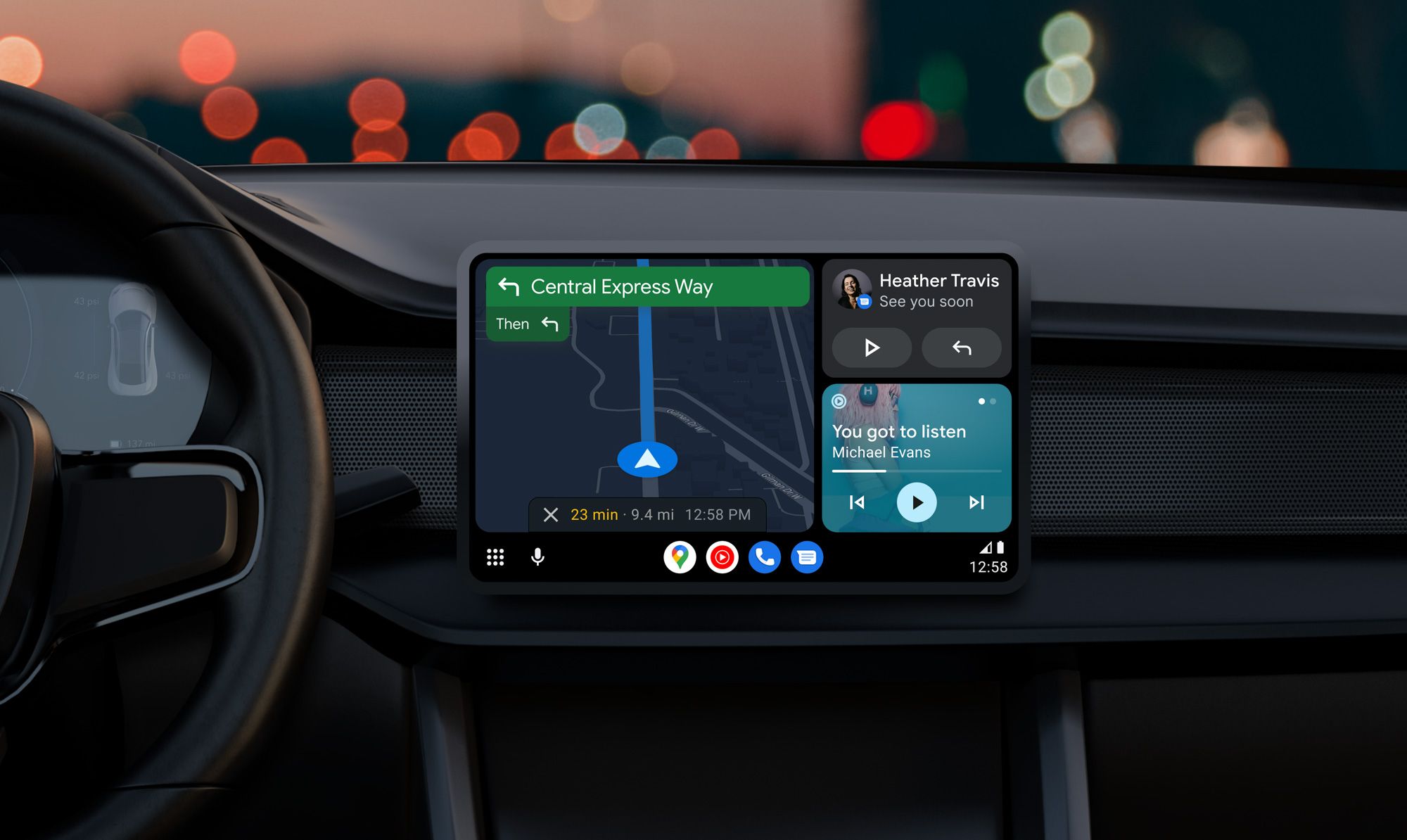
Part of the recent rollout confusion stemmed from a bug that wiped experimental features, sending users into a panic when their speed indicators vanished. But the real story isn't the software glitch; it's the fact that basic situational awareness inside a vehicle was treated as an optional feature flag for so long. Simple ergonomics shouldn't require A/B testing.
Beyond convenience, a GPS-based speedometer is often more honest than your car's analog or digital dash, which relies on wheel size and factory calibrations that drift over time. Having that data paired with speed limits and traffic signals on a single display just makes sense. It's a relief to see Google finally cross the finish line on this one, even if we had to walk the last mile.









