Why the Coming Apple Foldable Will Blindside Android
Apple is late to the smartphone format war, but the upcoming iPhone foldable is poised to rewrite the rules entirely....
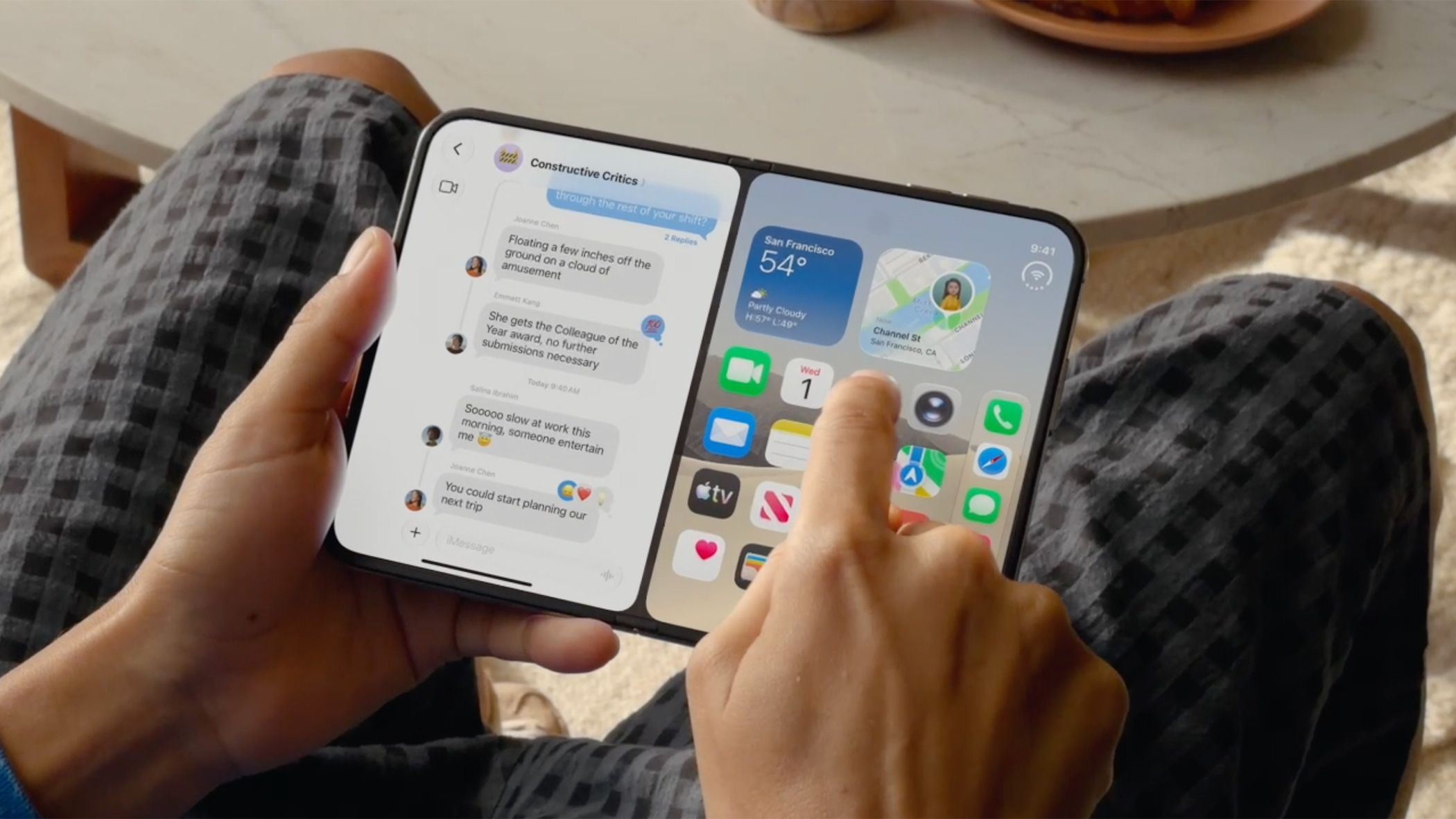
Android has owned the folding phone market for years. Walk into any major tech convention, and you will see a dizzying gallery of experimental hinges, dual-screen flip phones, and bizarre three-panel monstrosities built entirely by the Android ecosystem. Competitors like Samsung and Motorola poured millions into R&D, iterating on hardware while Cupertino sat on the sidelines watching the guinea pigs burn through generation after generation of expensive beta testing.
That early lead is about to evaporate. Rumors point to an unavoidable Apple foldable arriving soon. Hardware specs stopped mattering to the average consumer half a decade ago; instead, ecosystem gravity and sheer marketing inertia dictate who wins. Still, When Apple drops its folding device, millions — to be fair — of locked-in users won't even look at what Google or Samsung is offering. Hardware specs stopped mattering to the average consumer half a decade ago; instead, ecosystem gravity and sheer marketing inertia dictate who wins. When Apple drops its folding device, millions of locked-in users won't even look at what Google or Samsung is offering.
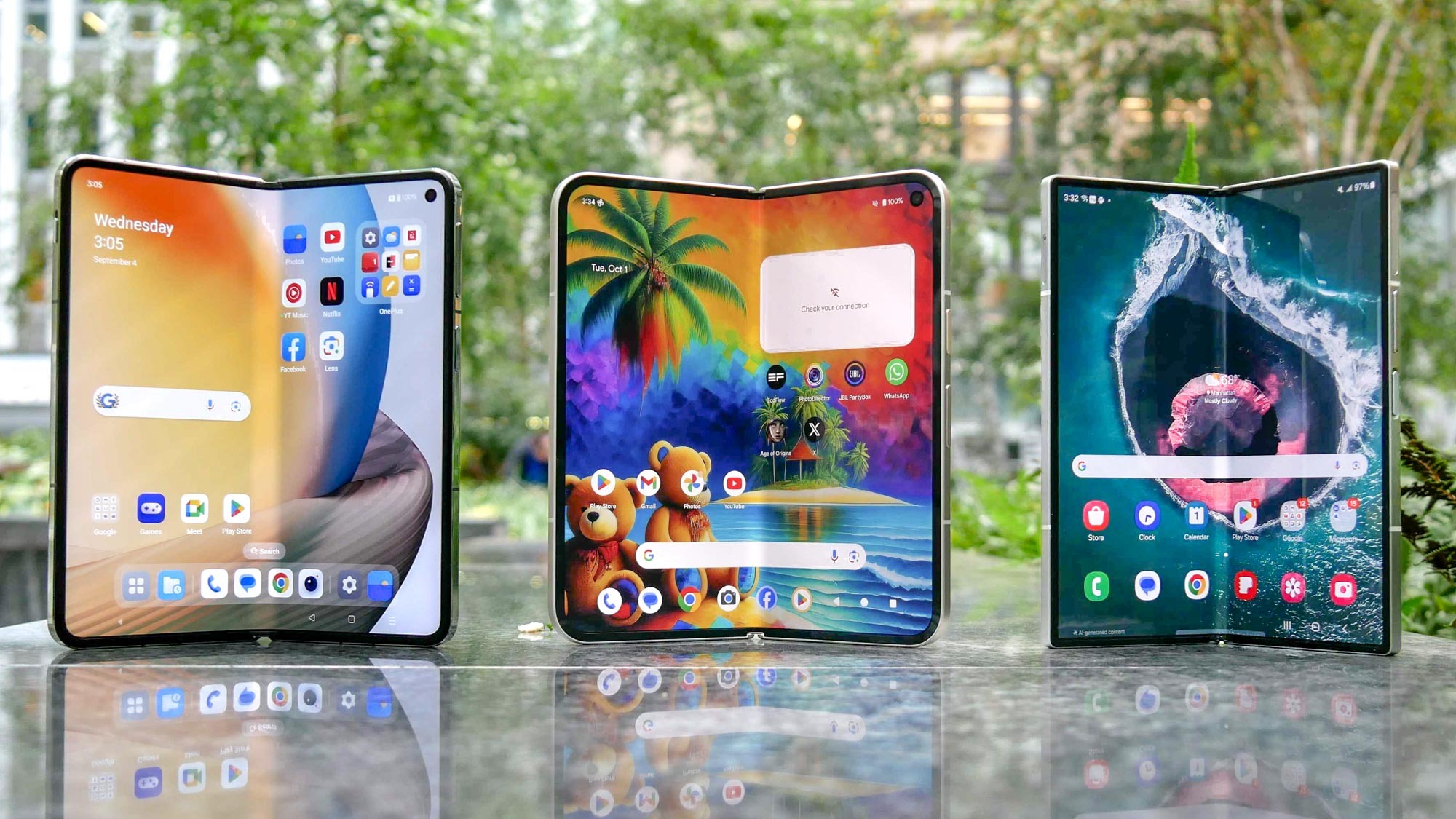
Consider how Apple operates. They rarely invent a product category first. They just wait until the market gets bruised, figure out where everyone else fumbled the user experience, and then swoop in with a polished execution backed by decades of terrifyingly effective brand recognition. Samsung might have a five-year head start on hinge engineering, but they cannot compete with the psychological pull of iMessage, Apple Watch integration, and the default assumption that if you use a computer, you should probably use their phone too.
Android manufacturers should be sweating. For years, they used foldables as a flex to prove they were the true innovators in mobile tech. Now, that entire moat is threatened not by superior engineering, but by ecosystem lock-in and cultural momentum. If you build for small teams and real craft, you know that being first rarely guarantees you win the long game. Sometimes, the giant just shows up late, rebrands the category, and eats your lunch anyway.









