Safari 27 Brings Native MCP Support and Real Developer QoL
Apple just dropped Safari 27, and for once, the marquee feature isn't just marketing fluff. Native Model Context Protocol support is here, letting AI agents actually drive the browser....

Apple just dropped Safari 27, and for once, the marquee feature isn't just marketing fluff. The we've all grown numb to browser updates promising major workflows while mostly just shifting pixel boundaries around. The we've all grown numb to browser updates promising major workflows while mostly just shifting pixel boundaries around. But this release actually shifts how we build. Native Model Context Protocol support has officially landed, and it's a genuine shift in how local coding assistants interact with our web uses.
Turn on the developer settings and you can hand the reins of a Safari window straight to Claude Code or whatever local agent you prefer. Suddenly, the feedback loop shrinks to almost nothing. Instead of manually copying terminal stack traces, taking janky screenshots, or Alt-Tabbing until your brain melts, the agent can inspect the live DOM, check network waterfalls, and sniff out weird ease failures entirely on its own. It runs locally, talks to zero external telemetry servers, and actually sees the page render as real users experience it.
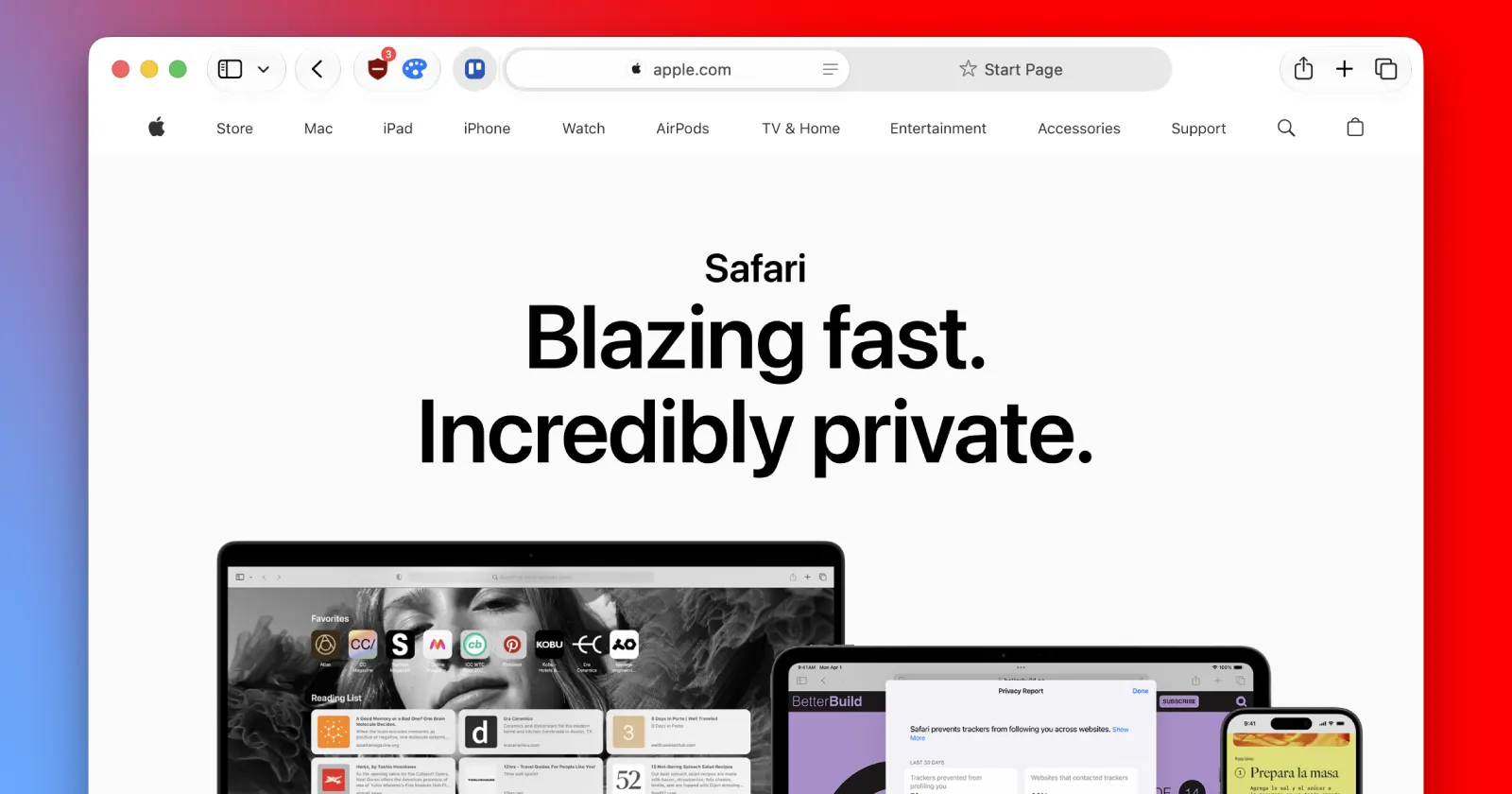
Of course, AI integrations usually mask a — oddly — mountain of neglected plumbing, but Apple actually did the unglamorous engineering work here too. This safari 27 quietly pushes out over eight hundred bug fixes! So what changed? Sweeping away persistent layout quirks and rendering inconsistencies that have annoyed frontend devs for years. On a related note, they finally added native scroll anchoring. On a related note, they finally added native scroll anchoring. when a lazy-loaded banner image suddenly decides to inject itself above your viewport, which stops those maddening page jumps.
We also get immersive environment hooks for visionOS and broader support for embedding interactive 3D models natively via HTML. It is rare to see a massive platform release balance futuristic agent tooling with fundamental browser hygiene so well. This update is worth updating for today, if you build for the web.









