Scaling Up: NVIDIA TensorRT Multi-Device Integration Changes How We Serve Large Models
Model sizes are outgrowing single GPUs, but NVIDIA's latest multi-device inference tools finally bring sanity to distributed serving infrastructure....
Generative AI has a scaling problem. Single GPUs routinely run out of memory for heavy models, forcing engineering teams down a painful rabbit hole of custom distributed inference code, fragile rank coordination, and messy client-side orchestration. It is a massive tax on actual product development.
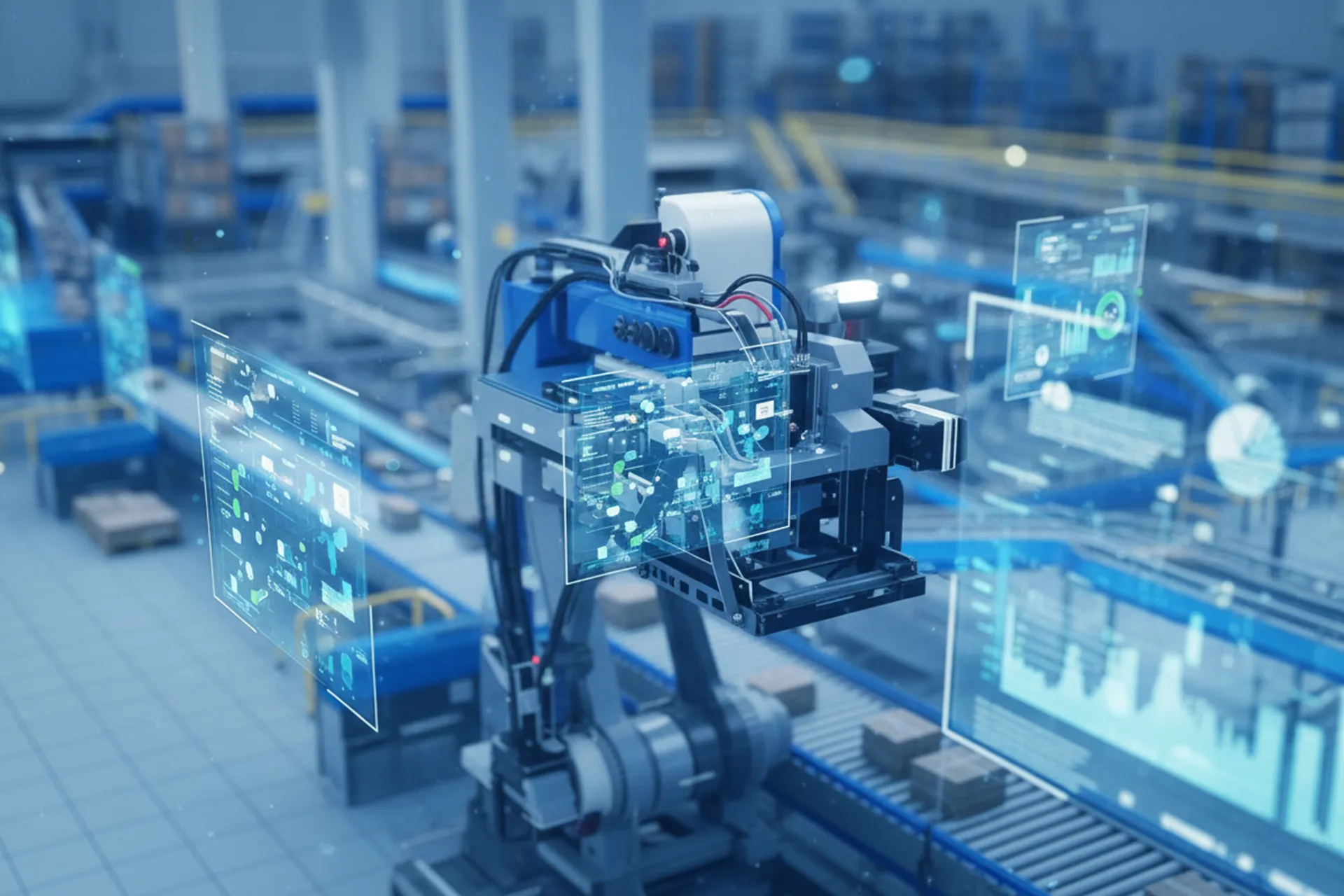
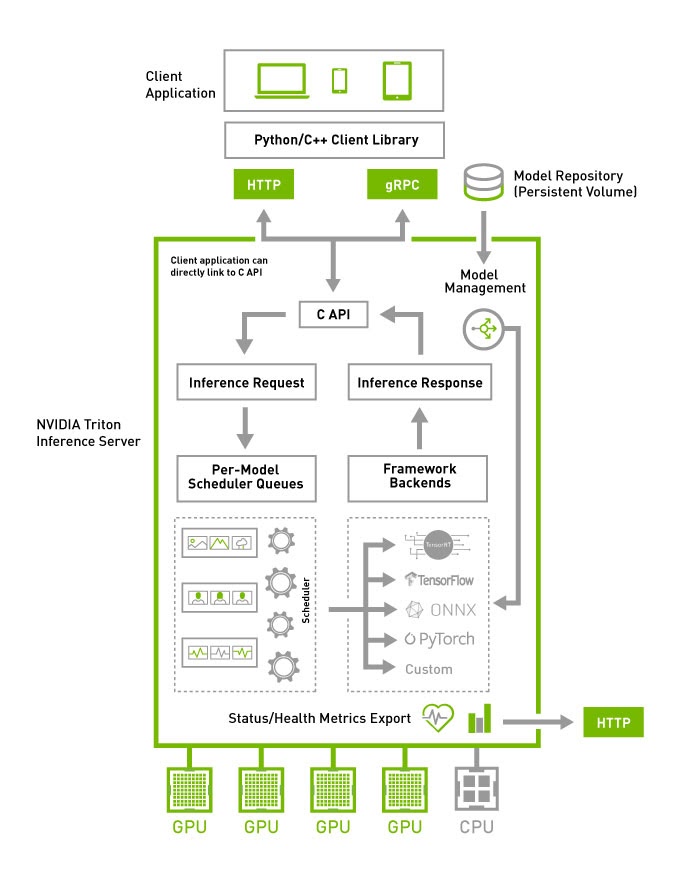
That is why NVIDIA TensorRT multi-device integration in Dynamo-Triton actually matters. Instead of forcing your application to herd GPU ranks over complex network topologies, a single Triton model instance now handles multiple devices under the hood. You hit a standard gRPC endpoint, and the infrastructure figures out the rest.
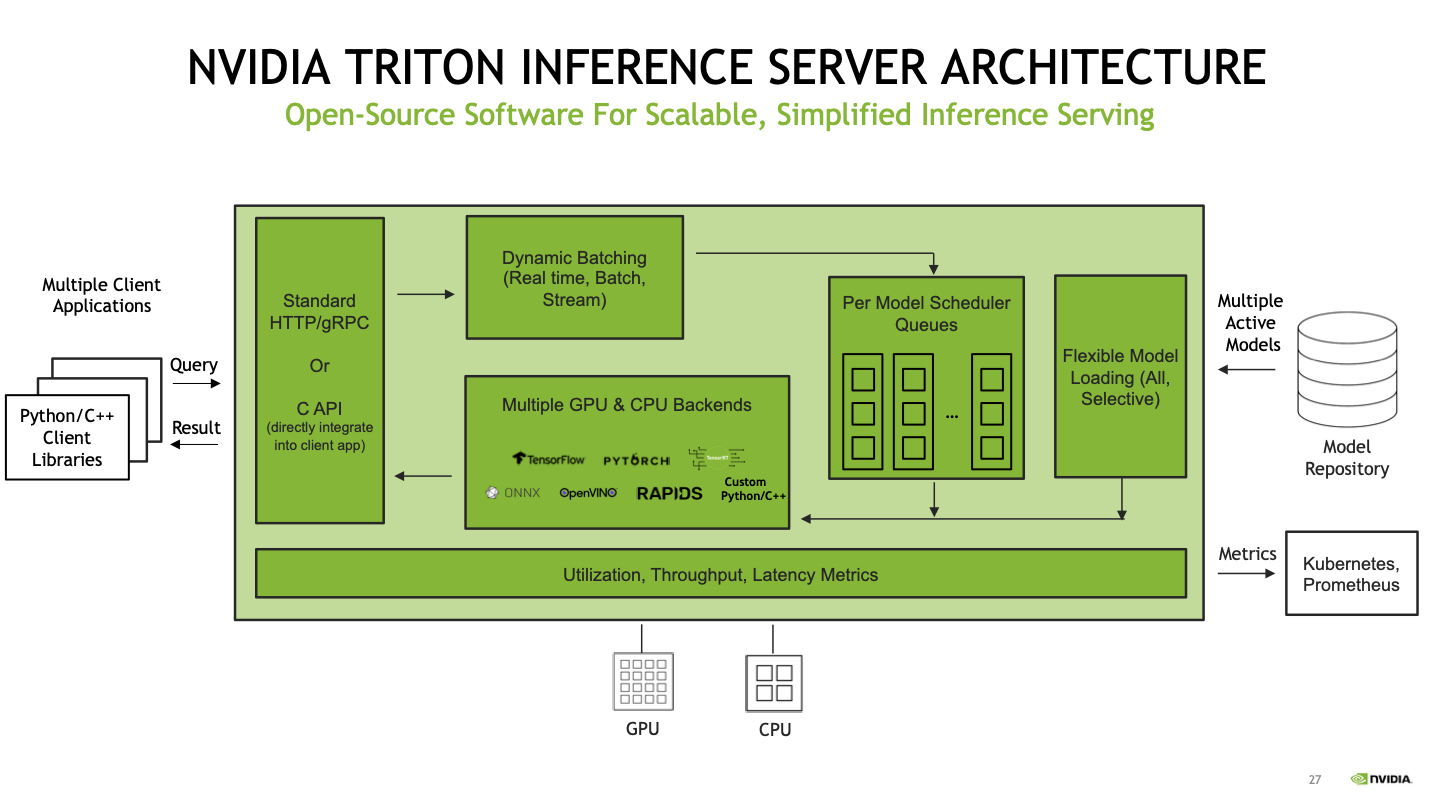
Under the hood, NCCL-backed distributed collectives tie everything together while keeping TensorRT's brutal inference optimizations completely intact. For workloads like video generation where a single denoising transformer eats up ninety-three percent of generation time, distributing those tokens across multiple cards using context parallelism isn't just an tuning – it is the only way to hit acceptable latency numbers.
What I appreciate most here is the clean boundary. The messy lifecycle logic stays locked inside the server, leaving your client code blissfully unaware of how many cards are churning away in the rack. Good engineering hides complexity where it belongs.