Responsible AI in Higher Ed Is Mostly Corporate Pitch Practice
When big tech rolls out 'responsible AI' webinars for universities, it usually looks less like computer science and more like early-stage brand loyalty training....

I saw another announcement crossing the wire this week about a big tech vendor hosting a webinar on responsible AI for higher education. The pitch promised a breakdown of AI types, a look at enterprise governance frameworks, and a hands-on session with their proprietary software development agent. It sounds constructive on paper, but if you look past the academic framing, it is essentially a top-of-funnel conversion play disguised as a public service.
Higher education is an easy target for this kind of positioning. Universities are desperate to figure out policies for LLMs, student cheating, and research integrity, so they roll out the red carpet for any enterprise willing to offer answers. But when the solution conveniently points back to a vendor's proprietary ecosystem and trademarked developer tools, we need to call it what it is: marketing with a tenure track. Real engineering ethics aren't shipped in a ninety-minute Zoom workshop sponsored by a multinational hardware and cloud giant.
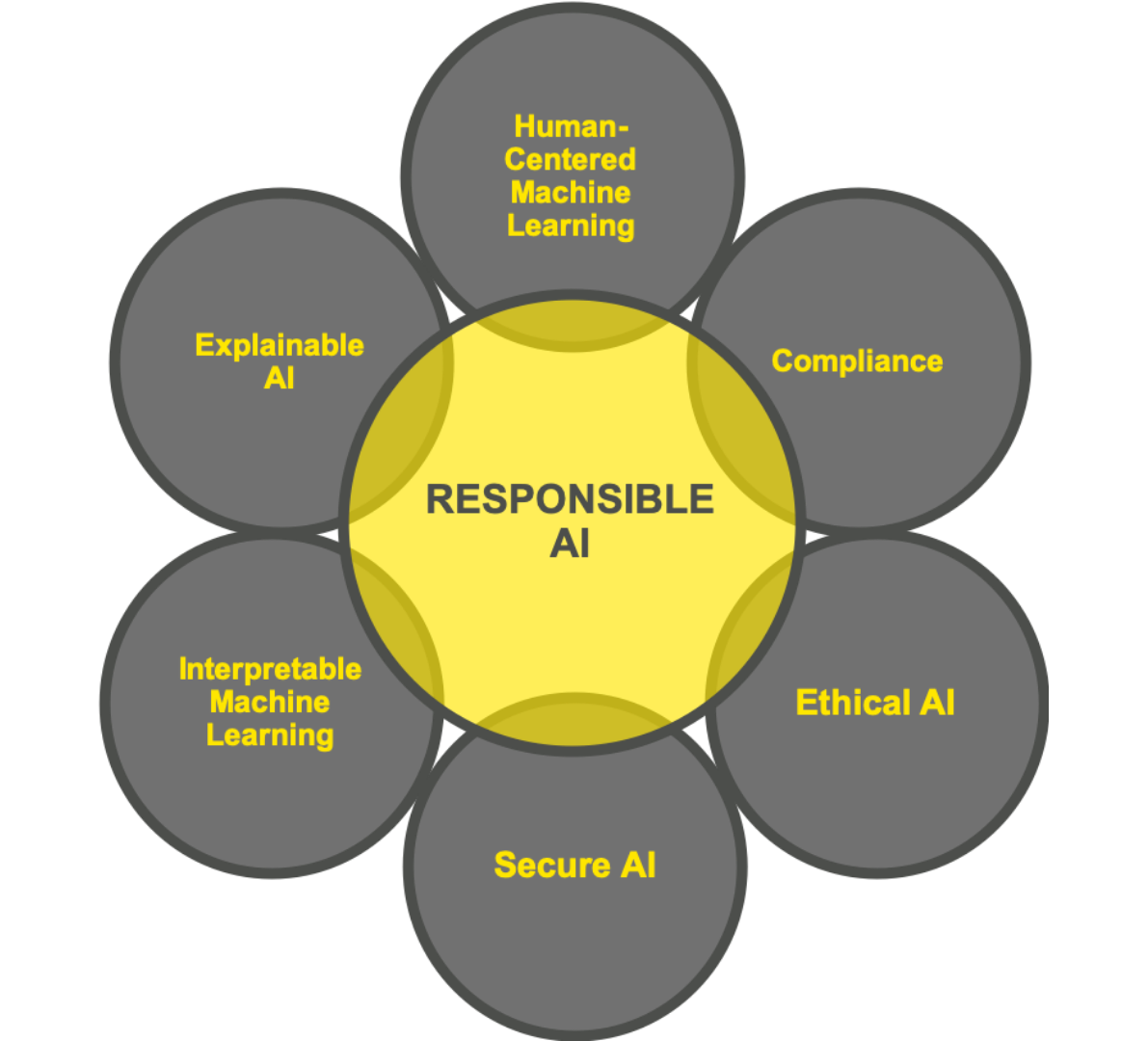
The irony is that students and small independent builders often have a much clearer view of responsible AI than enterprise committees do. When you are actually shipping code, deploying models on tight budgets, and dealing with real users, abstractions like corporate governance frameworks matter a lot less than raw predictability, cost efficiency, and data privacy. You don't need a branded lifecycle agent to teach you that hallucinating code is a liability; you find that out the first time your staging server crashes.
We need to stop treating AI ethics as a branding exercise or a compliance checklist handed down by marketing departments. True responsibility in software development comes from understanding the systems you build, keeping your attack surface small, and refusing to hide behind buzzwords when things break. Universities would do better to teach students how compilers work and how to audit their dependencies than to sign them up for product demos wrapped in academic flannel.









