Google Built Computer Use Directly Into Gemini 3.5 Flash
Google just baked computer use straight into Gemini 3.5 Flash, moving autonomous agents from experimental toys into actual production-grade infrastructure....
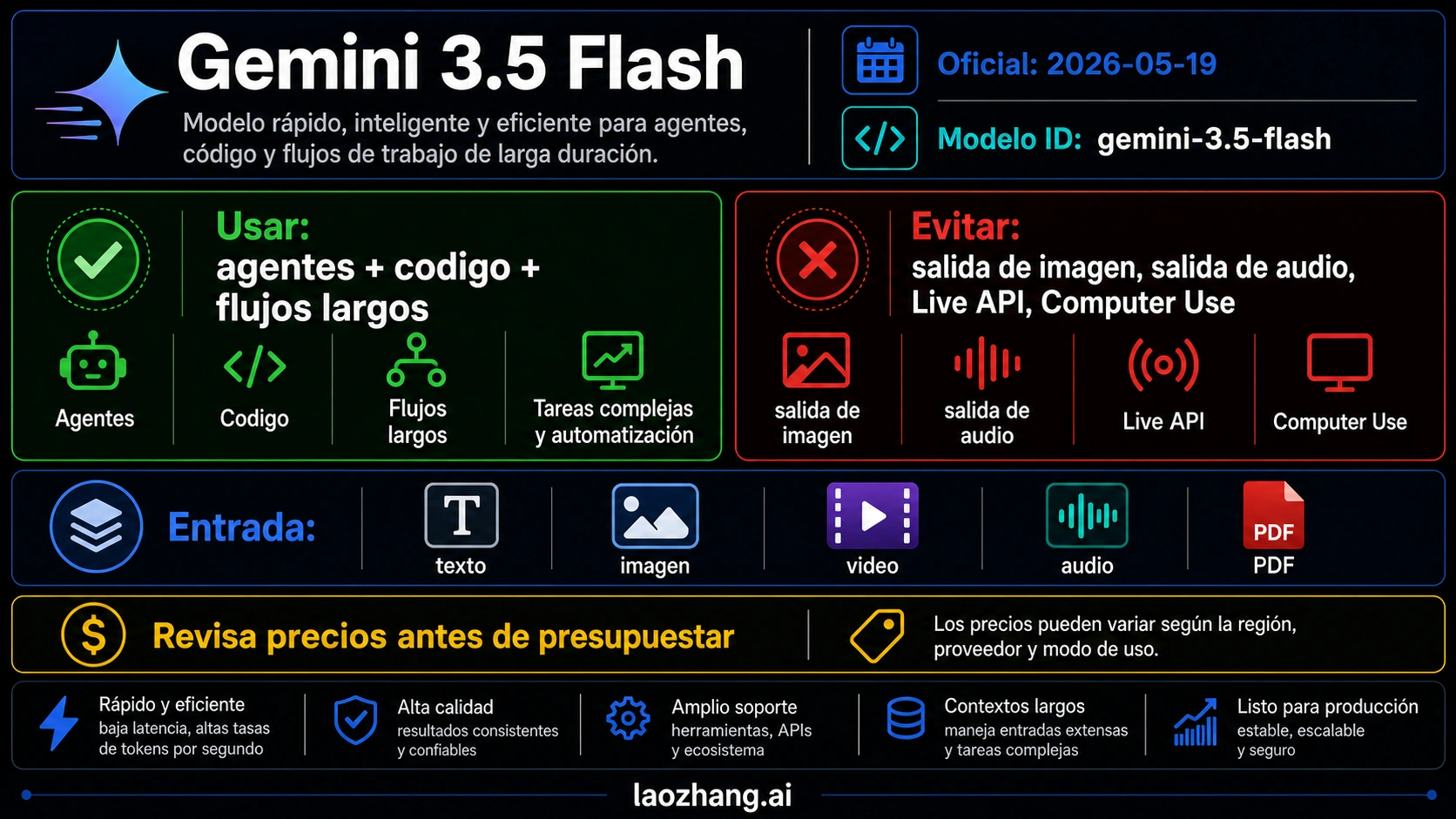
Google just baked computer use straight into Gemini 3.5 Flash, moving autonomous experimental from experimental toys into infrastructure production-grade infrastructure. I have watched the industry chase generalized desktop automation for years through brittle UI scraping scripts and overly complex hacks, but having it native to a fast model changes the entire architectural equation. Instead of treating visual UI navigation as a separate, bolted-on specialized model version like they did with 2.5, Google integrated it directly into their primary Flash pipeline.
This shift matters immensely for anyone actually trying to ship software that talks to legacy enterprise dashboards or handles tedious cross-platform workflows. Reason through, and manipulate browser interfaces or desktop environments without crashing on the first unexpected pop-up, long-horizon automation finally stops feeling like a sci-fi demo when an AI can realistically see. It starts looking like something you can deploy to solve real operational bottlenecks.
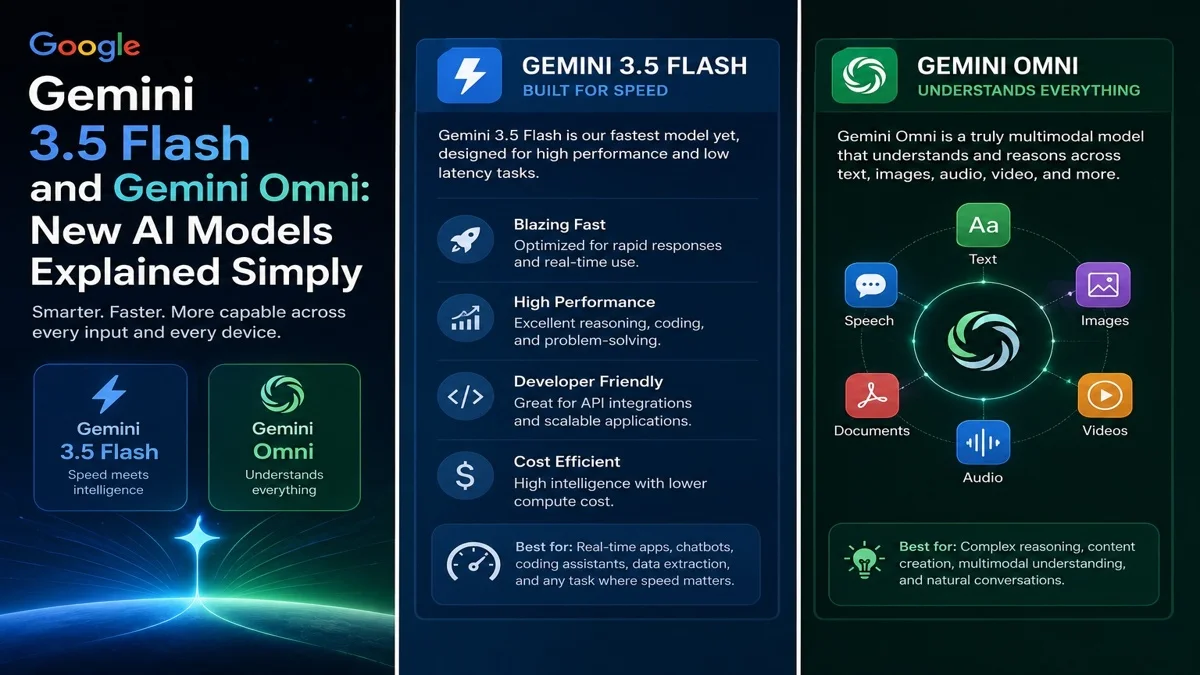
As expected, handing an LLM the keys to execute clicks and keystrokes across live environments introduces terrifying security vulnerabilities. Especially with prompt injection vectors lurking in every rogue email or untrusted webpage. Google is attempting to mitigate this by layering adversarial training right into the weights alongside a couple of optional enterprise safeguards designed to halt malicious instructions or force manual human confirmations for dangerous clicks. Yet, if you rely entirely on vendor-supplied guardrails while letting an agent drive production systems un-sandboxed. You are asking for a catastrophic incident.
Good engineering still demands rigorous defense-in-depth, strict access boundaries, and relentless isolation testing regardless of how smart the underlying model gets. I am excited to spin up some test implementations and see where this breaks down under real-world pressure, but we should remain aggressively pragmatic about the risks of giving models arbitrary desktop execution power.









