Rivian’s Gamble on Full Autonomy and the Reality of Level 2+
Rivian is jumping headfirst into the point-to-point autonomy race. But beneath the slick demos lies a familiar, stubborn engineering reality....

I have a complicated relationship with autonomous driving promises. Every few years, Detroit and Silicon Valley roll out a fresh batch of press demos on leafy suburban streets, making us feel like the Jetsons are finally arriving. Rivian is the latest contender taking a serious swing at the market. They are riding the current AI wave straight into the fray, prepping a point-to-point system called Autonomy+ that aims to let drivers type in an address and just let the vehicle handle the commute across mapped roads in North America. It sounds incredible on paper. But as anyone who builds complex systems knows, the gap between a curated demo drive in Palo Alto and handling a random Tuesday night blizzard in Ohio is wider than the Grand Canyon.
Let’s talk pricing and positioning for a second, because the economics here are fascinating. Rivian is undercutting Tesla by charging fifty bucks a month – or twenty-five hundred upfront – compared to Tesla’s steeper ninety-nine-dollar monthly toll for its confusingly named Full Self-Driving Supervised setup. Mercedes is playing in a different sandbox entirely, asking nearly four grand for a three-year stint with a system that still makes you keep a white-knuckled grip on the wheel. Rivian’s system is slated to land on the upcoming R2 and roll out to newer R1 platforms via over-the-air updates. They want a piece of that recurring software revenue pie, and frankly, who wouldn't? Hardware margins are brutal. Software margins print money.
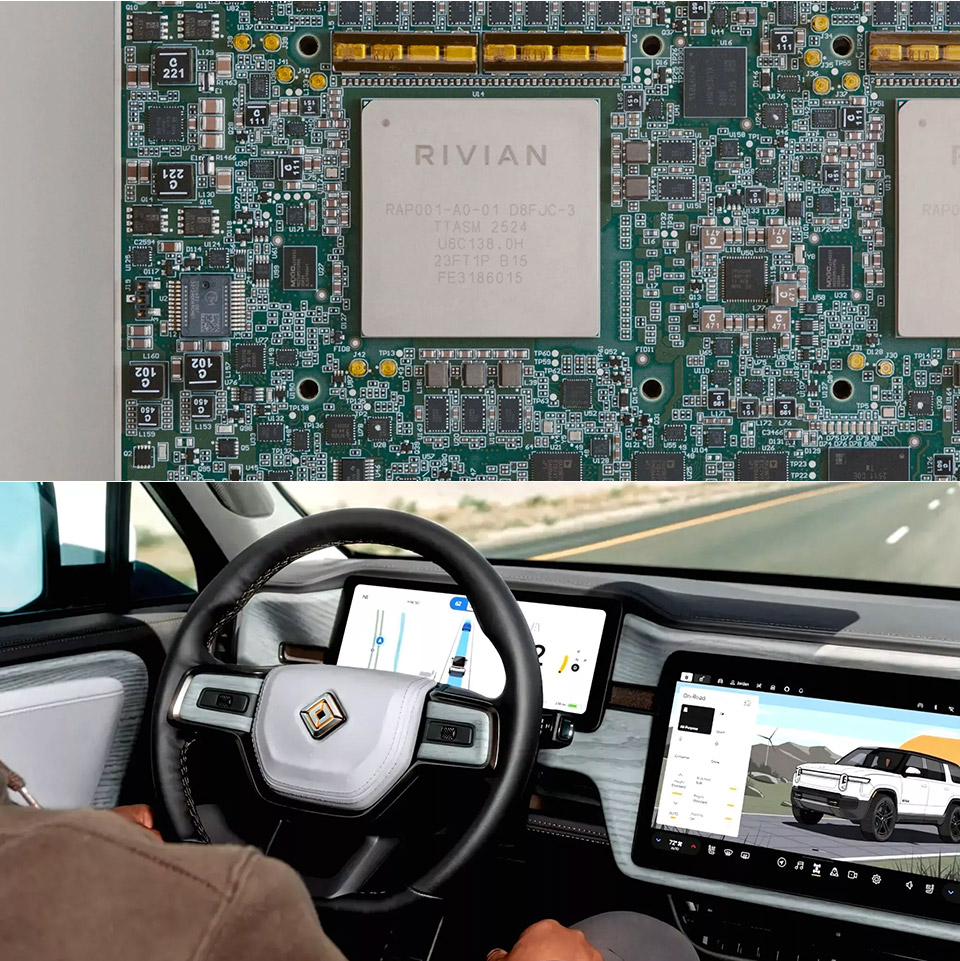
Impressive as these demos look, we need to inject a heavy dose of reality into the conversation. Autonomy+ is fundamentally a Level 2+ system. That is industry speak for: you are still the pilot in command, legally and practically. You cannot take a nap. You cannot catch up on prestige television. If the car decides to misinterpret a faded crosswalk or get confused by bizarre construction cones, your reflexes had better be razor-sharp. We keep chasing the phantom of true autonomy while building exceptionally sophisticated driver-assist crutches. It is a massive engineering feat, no doubt about it. Merging computer vision, sensor fusion, and neural nets onto an automotive-grade embedded computer is hard. Really hard.
Yet, I worry about the expectations management. Consumers hear "self-driving" and their brains immediately translate that to "I can look at my phone." Marketing departments love this linguistic sleight-of-hand. Rivian is building a genuinely competent piece of engineering, but the hype cycle surrounding full autonomy always demands more than physics and current architectures can safely deliver. Until we cross that chasm into true Level 3 or 4 autonomy where liability actually shifts away from the human behind the wheel, we are just paying a premium to supervise expensive robots. Drive carefully out there.