Navigating the GPT-6 Family Without Burning Your Budget
A pragmatic look at OpenAI's GPT-6 models, separating the high-end reasoning hype from the actual economics of production code....
OpenAI just dropped the GPT-6 family, and honestly, the documentation reads like a manual for taming an expensive, hyperactive digital intern. We have new tiers like Astra for heavy reasoning and Sol for deep coding tasks. But let's be real for a second. Shipping products in the real world means looking past the measure marketing slides to figure out what actually makes sense on an engineering ledger.
If you treat every prompt like an open-ended philosophical debate. Your burn rate will look terrifying by the end of the month. The truth is that matching the right model to your actual workload is the difference between a viable product and an expensive demo that never leaves staging. You don't need maximum reasoning effort to parse a basic JSON payload.
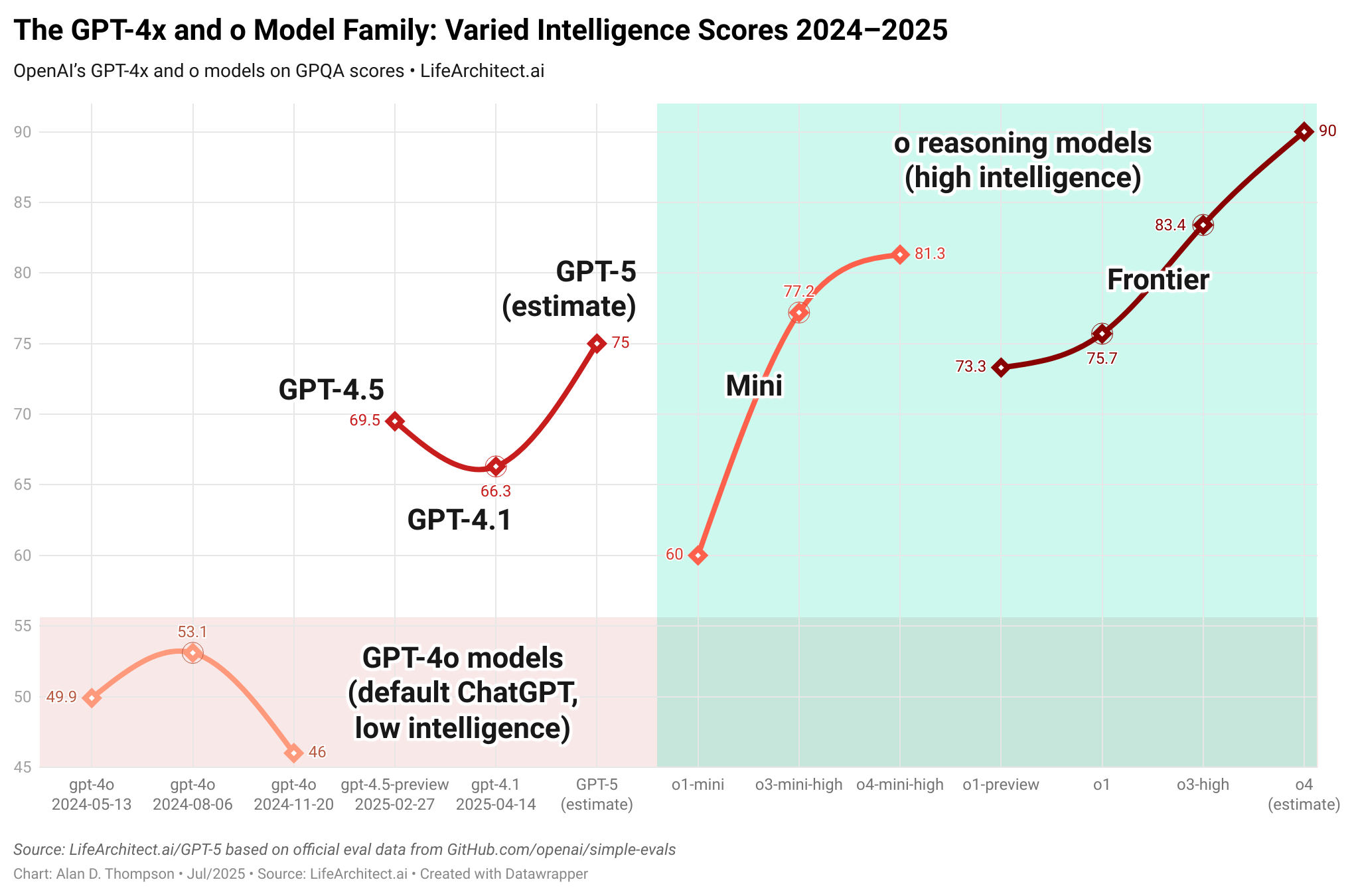
Production efficiency requires ruthless context management. Prompt caching isn't just a nice optimization to throw into a README; it's practically mandatory if you want input tokens to cost a fraction of their normal price. Keep your stable instructions static, structure your tool definitions cleanly, and use compaction when conversations bloat.
treat these models like any other high-performance dependency. Measure your latency, track task success per dollar, and set ironclad boundaries so the system stops guessing when it should be asking for clarification.









