Dream-RSI and the Endless Loop of AI Self-Improvement
Recursive self-improvement is the holy grail of autonomous agents, but the compute costs usually break the bank. A new paper tackles this head-on....
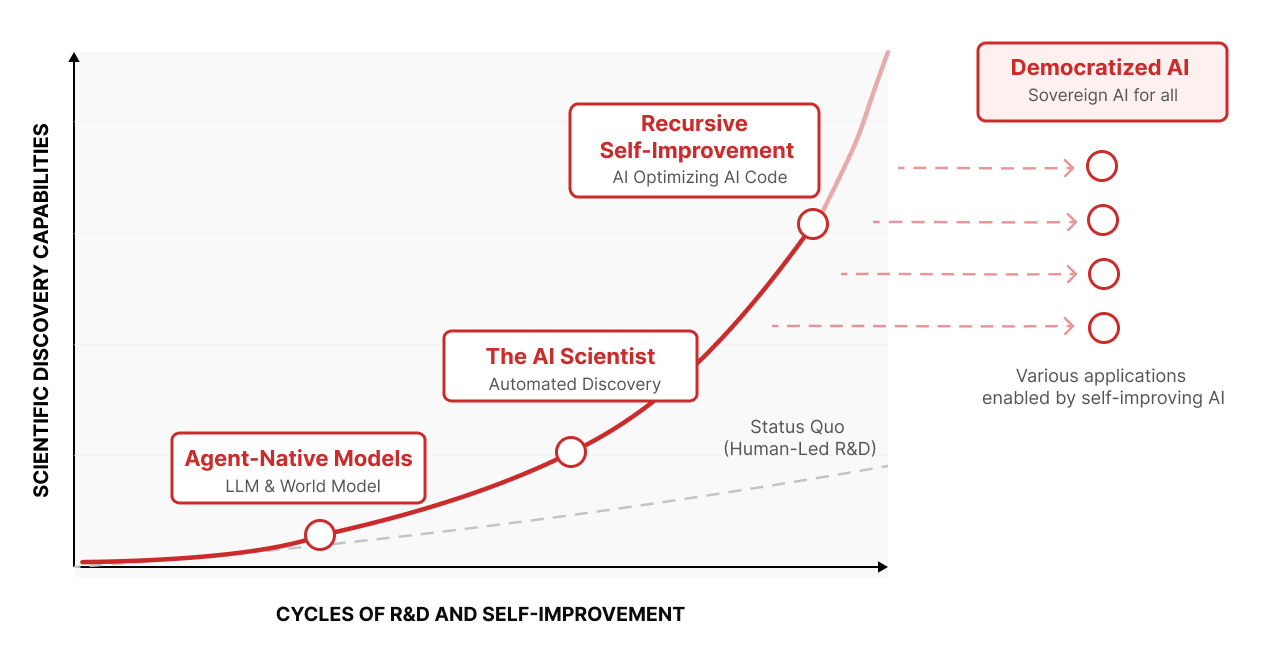
Everybody wants recursive self-improvement. It sounds like pure science fiction, the exact moment the machine finally wakes up and starts pulling away from its creators entirely, leaving us behind in the dust of exponential curves. But if you look past the breathless hype and peer into the actual machinery, the reality is far more mundane and brutally expensive. Running endless rollouts to see what works requires a mountain of compute. It is a slow, grinding bottleneck.
That is why Dream-RSI caught my eye this week. The core dilemma in autonomous exploration has always been stubborn: static strategies break down the moment your search space scales up, while online policy optimization demands expensive feedback over impossibly long horizons. You are constantly burning money just to figure out which direction to walk next. It is inefficient, clumsy, and frankly, a terrible way to build intelligence.
Instead of hammering away at live environments over and over, this new approach does something clever. It takes the accumulated history of past discoveries and turns it into an offline replay simulator. By dreaming inside this historical record, the agent gets instant, zero-cost feedback to sharpen its exploration instincts without constantly spinning up expensive live evaluations. It learns from what it already did.

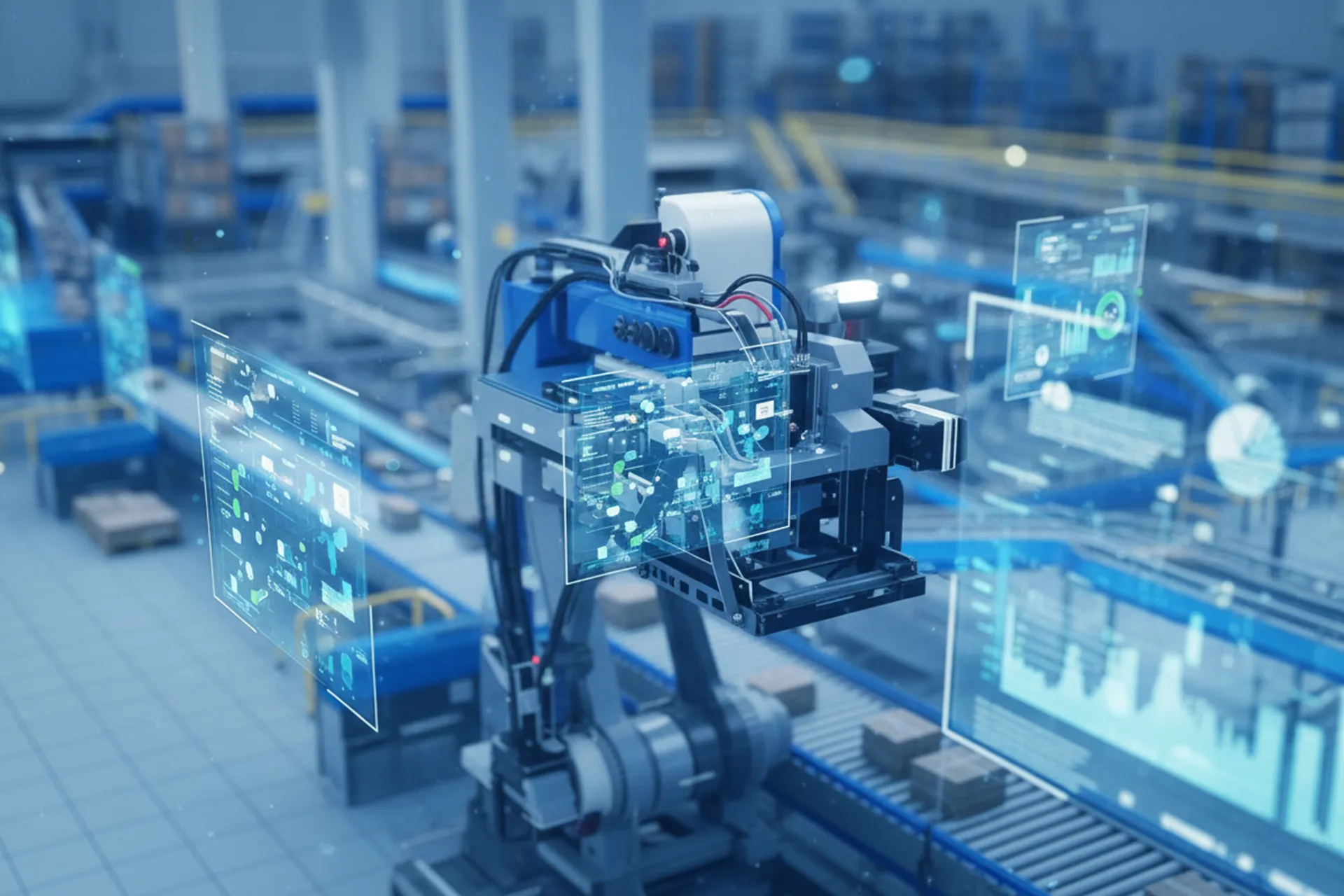
What I appreciate about this work is the structural modesty of it. They aren't trying to rewrite the foundational coding agent from scratch. Just, they added a lightweight orchestration layer that makes exploration explicit and programmable (or close to it). Letting the system chew on its own past data to get better at the margin. When you apply this loop to gnarly domains like algorithm design, heavy mathematical optimization, and raw GPU kernel engineering, the discovery quality holds up while the burn rate drops.
Clearly, we are — oddly — still a long way from general autonomous dominance. But progress often looks like this: trading brute-force compute for smarter architectural feedback loops. It won't be through raw magic when machines finally figure out how to teach themselves efficiently. It won't be through raw magic when machines finally figure out how to teach themselves efficiently. It will be because they in the end learned how to remember. Think about it.