Fixing the MoE Bottleneck: Why JAX and Transformer Engine Matter for Dropless Training
Mixture of Experts models are winning on performance, but training them efficiently has been an engineering nightmare—until now....
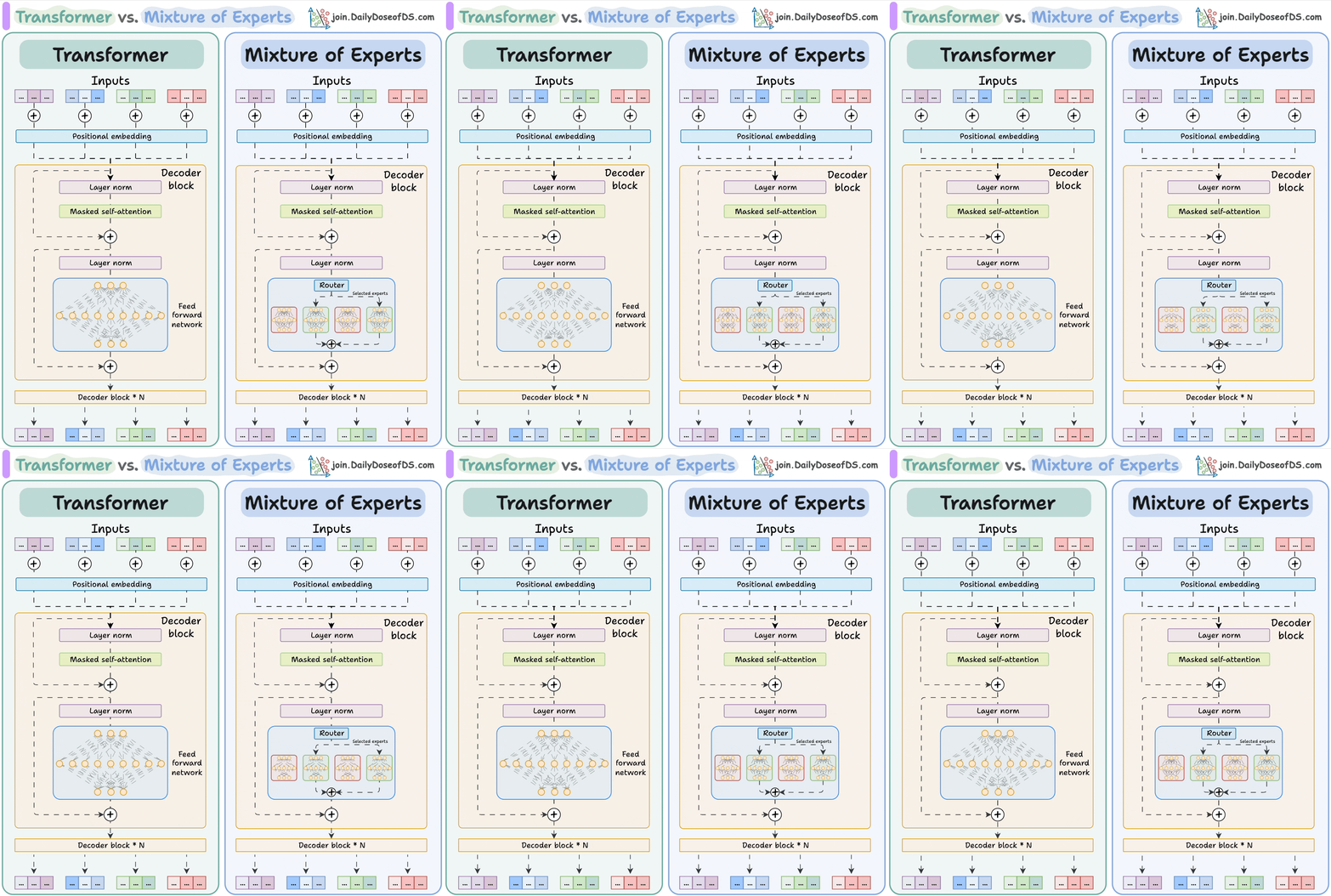
Mixture of Experts architectures have effectively taken over the large-scale AI landscape. By routing tokens to specialized subnetworks instead of running everything through a massive dense network, models like DeepSeek and Mixtral match or beat dense counterparts while burning a fraction of the training compute. It is a brilliant theoretical design that makes you wonder why we ever built monolithic models in the first place.
The catch, as is so often the case in systems engineering, is the brutal reality of hardware execution. When you actually try to train a dropless MoE model at scale, things fall apart fast. Because the router dynamically assigns tokens based on learned preferences, you end up with wildly uneven workloads. One expert gets flooded while another sits idle. GPUs stall, communication overhead balloons, and suddenly 84 percent of your accumulated kernel time is spent just shuffling data across the network rather than doing actual math.
This is why a recent breakthrough combining JAX with NVIDIA’s Transformer Engine caught my attention. We are talking about moving an unoptimized baseline crawling at 103 TFLOPS per GPU up to a staggering 1,068 TFLOPS. That is a 10.4x performance leap achieved not by throwing more metal at the problem, but by writing specialized kernels that can natively handle those erratic, ragged tensors.
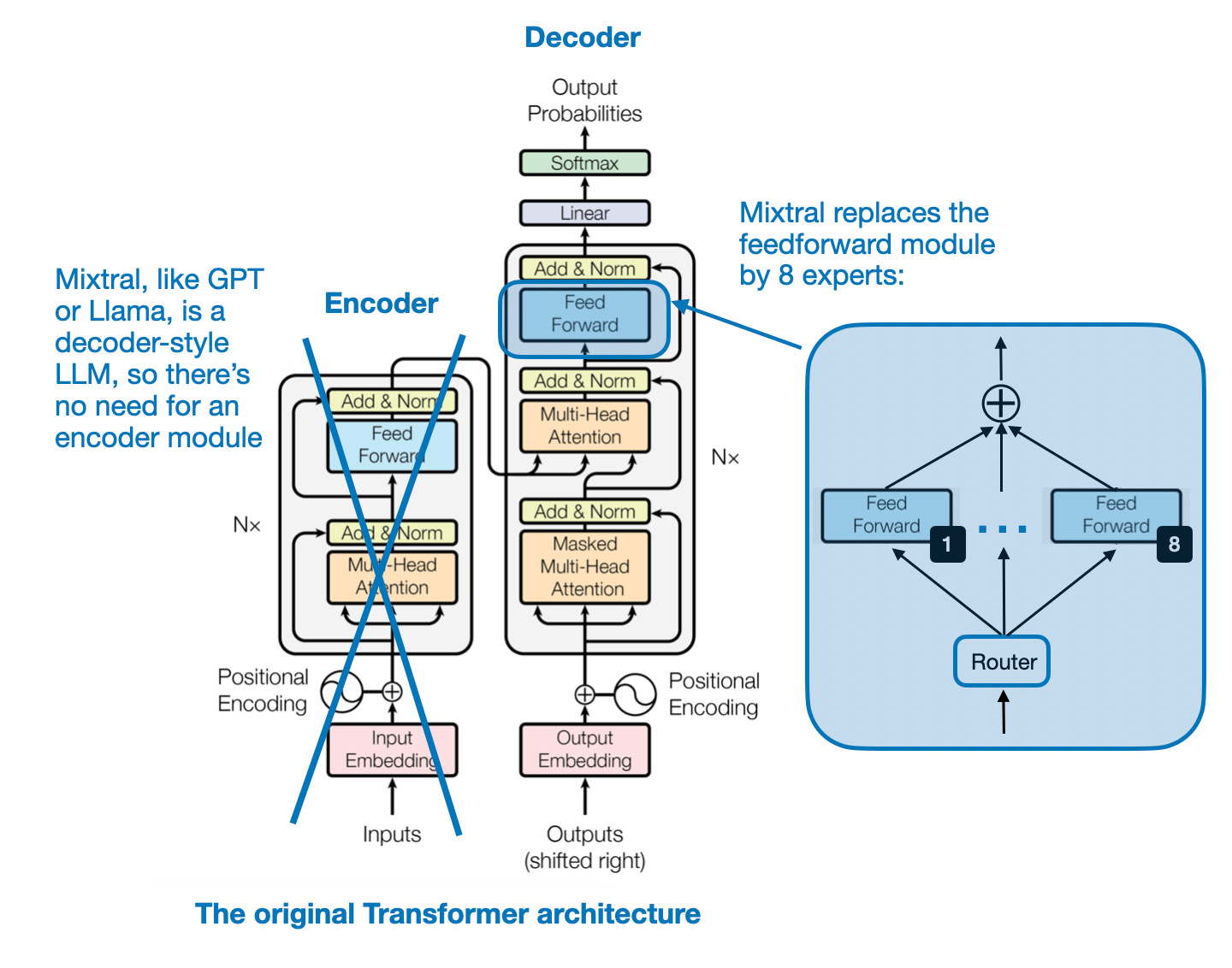
For anyone building or training modern architectures, this is a reminder of how much performance lives in the unglamorous details of systems design. Hype gets you the funding, but intelligent kernel optimization and memory layout choices get you across the finish line. When your communication overhead drops from a crippling bottleneck to a minor tax, the entire economics of training frontier models start to shift.
We are still in the early days of figuring out how to squeeze every ounce of efficiency out of hardware accelerators. But when tooling like JAX and optimized Transformer libraries catch up to the theoretical ambitions of sparse routing, it opens up entirely new headroom for small teams and large labs alike.