Meta Drops Muse Voice Transcribe: Is Real-Time Diarization Cheap Enough Now?
Meta just entered the speech-to-text arena with Muse Voice Transcribe, slashing API costs to $0.18 an hour. But does cheap engineering actually mean good engineering?...

Meta just crashed the real-time speech-to-text party with Muse Voice Transcribe, and the headline number is genuinely hard to ignore. Eighteen cents per hour.
Let that sink in for a second. For years, building reliable meeting assistants or ambient live-audio agents meant budgeting around brittle, multi-vendor Frankenstein stacks where transcription lived in one corner, endpoint detection in another, and speaker diarization was an expensive, lag-heavy post-processing chore. Meta's Superintelligence Labs has bundled all of that directly into an autoregressive multimodal architecture that eats 80-millisecond audio chunks and spits out streaming text with integrated speaker attribution for over twenty voices. It is aggressively priced, technically ambitious, and designed to make legacy API vendors sweat.
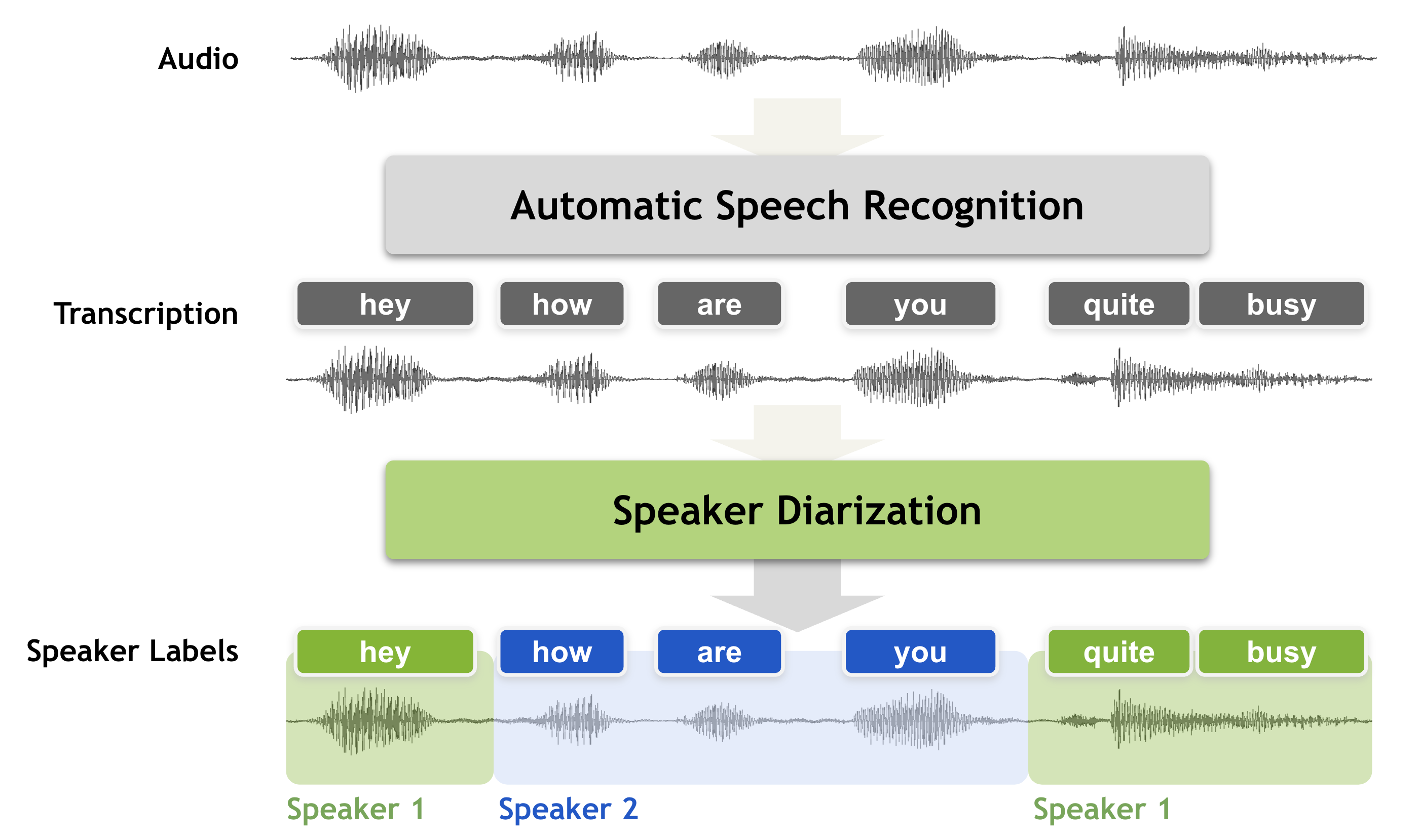
Of course, the marketing hype machine would have you believe this is an rare world-record-shattering breakthrough. It isn't. Competitors like Speechmatics routinely handle fifty to a hundred speakers, and Amazon Transcribe sits comfortably above thirty. But raw speaker count is a vanity metric for most builders. What actually matters here is the plumbing. By tackling endpointing, multilingual code-switching, and native diarization inside a single model trained with reinforcement learning for adaptive delay, Meta is solving the real engineering headaches that plague live audio apps.
If you are currently bootstrapping a voice-heavy product or trying to shave pennies off high-volume call analytics pipelines, this release changes the math overnight. Just don't assume cheap compute replaces the hard work of handling messy human audio in the wild.