Deploy an Open Model from Checkpoint to Native C++ Inference
Getting open models into native apps usually means drowning in custom wrapper code. NVIDIA's TensorRT Model Connect finally changes that math....
Getting open weights out of a Jupyter notebook and into a native production environment has always been a uniquely painful tax on engineering time. You pull down a hot new checkpoint, only to discover that the preprocessing scripts are brittle, the post-processing logic is undocumented, and wiring it all up to a C++ runtime requires an ungodly amount of boilerplate. It is a massive friction point. We keep talking about the blinding speed of open-source AI evolution, yet the actual plumbing needed to ship these models into real applications remains frustratingly archaic, forcing teams to reinvent the wheel for every single model family they want to evaluate.
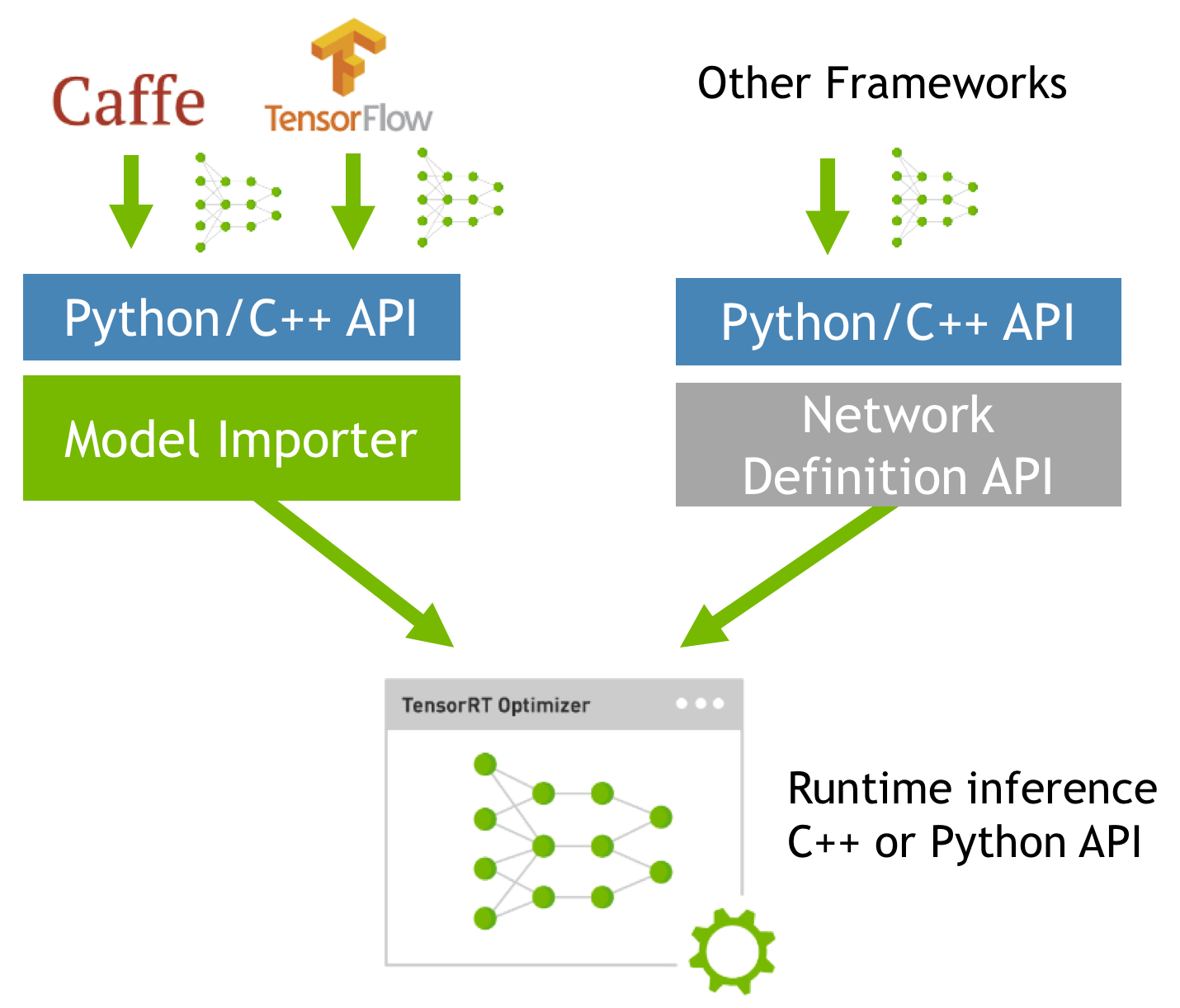
Enter NVIDIA's TensorRT Model Connect, a tool that actually understands the pain of the deployment trenches. Instead of treating inference as a sprawling engineering marathon involving custom conversion scripts and fragile glue code, it collapses the entire workflow down to a remarkably clean pipeline. You point a Python CLI tool at a Hugging Face model ID, run a single build command to generate a portable bundle containing the optimized engines and necessary runtime assets, and then load that artifact straight into your native C++ code with a straightforward, task-level interface that doesn't drag a bloated Python interpreter into production.

What I appreciate most here is the refusal to sacrifice architectural control for the sake of convenience. Too often, high-level wrapper tools abstract away the underlying machinery so aggressively that the moment you need to optimize a custom GPU kernel or tweak an inference layer, you hit a hard wall and have to rewrite everything from scratch. Model Connect avoids this trap neatly by offering two distinct API levels: a semantic API for when you just want to pass prompts and get text back without fuss, and a module-level API that grants granular access to named tensors and individual TensorRT components when your project demands deep customization.
For small teams and independent builders trying to ship performant AI features without maintaining an army of infrastructure engineers, this kind of pragmatic engineering is a breath of fresh air. It respects the craft. By cutting through the conversion clutter and giving us a direct path from raw weights to blazing-fast native execution, it lets us focus our energy where it actually belongs – building apps that run fast, feel solid, and solve real problems for users.









