Unlocking Your Home Assistant Server: What to Do With Those Empty USB Ports
Those vacant USB ports on your Home Assistant machine are begging for a purpose. Stop letting them collect dust....
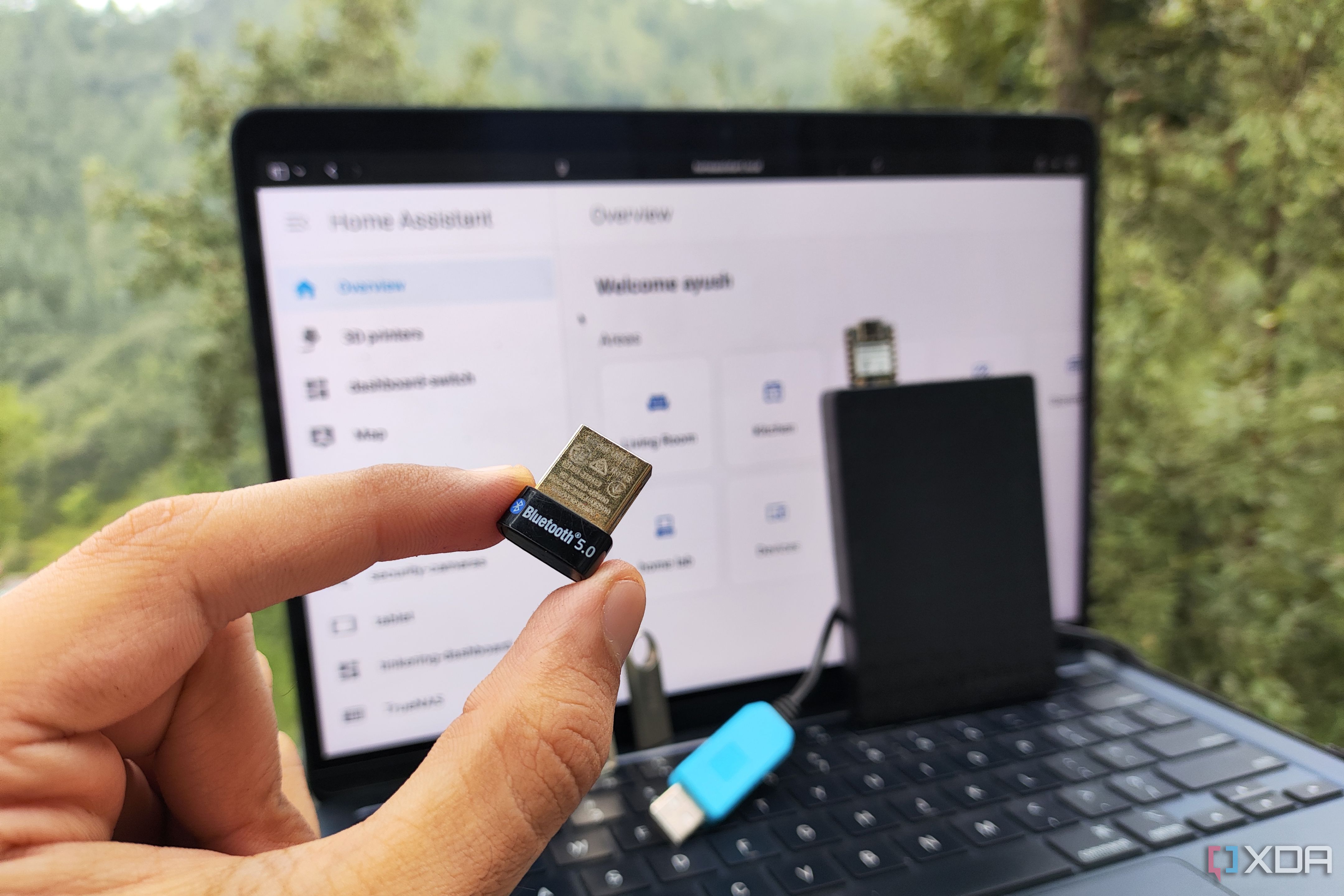
Most of us spend countless hours fine-tuning our Home Assistant setups, tweaking YAML files, and building complex automations until the smart home finally bends to our exact will. But we rarely look at the physical box itself. Look closer. You probably have two or three empty USB ports staring right back at you, doing absolutely nothing. That is wasted potential.
Realistically, hardware tinkering used to be standard practice for anyone running local-first software, but appliance-style thinking has made us lazy. We treat mini-PCs and dedicated server hardware like closed black boxes, plugging in power, an ethernet cable, and walking away. That's a mistake, mainly with a platform as data-heavy as a serious home automation hub.
Let us talk about storage first. If you are running your entire stack on a cheap NVMe drive, your database writes and continuous camera logging are slowly chewing through its lifespan. Hooking up an external mechanical drive or a secondary SSD for local backups and heavy lifting changes the game completely. It saves your boot drive from premature wear. Also, keeps your critical configurations safe when things go sideways.
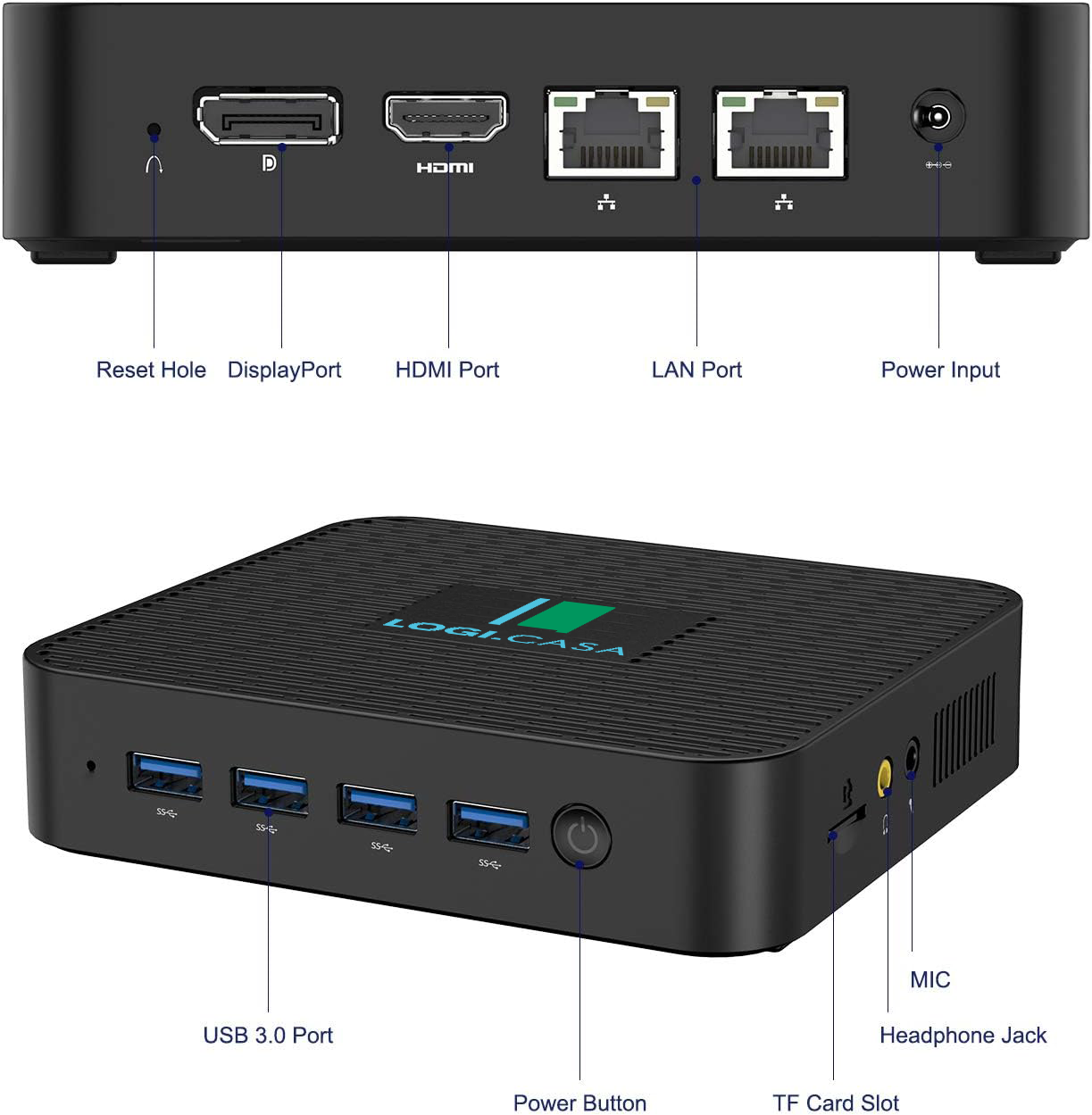
Beyond simple file storage, those physical ports are your gateway to protocol expansion. The whether you need — to be fair—a dedicated Zigbee coordinator, a Z-Wave stick. Or an ESPHome calibration tool. USB is where the real physical blend happens. Stop relying solely on cloud-connected fluff; and, start expanding your hardware layer the right way —.
Good engineering is about utilizing what is directly in front of you instead of buying fresh gear for every minor problem. Look at your server rack tonight. Find an old drive, grab a proper adapter, and give those idle ports a real job to do.