Why Calls to Slow Down AI Development Miss the Mark
When industry executives and politicians start preaching about pacing frontier AI development, it’s worth asking whose interests they’re actually protecting....

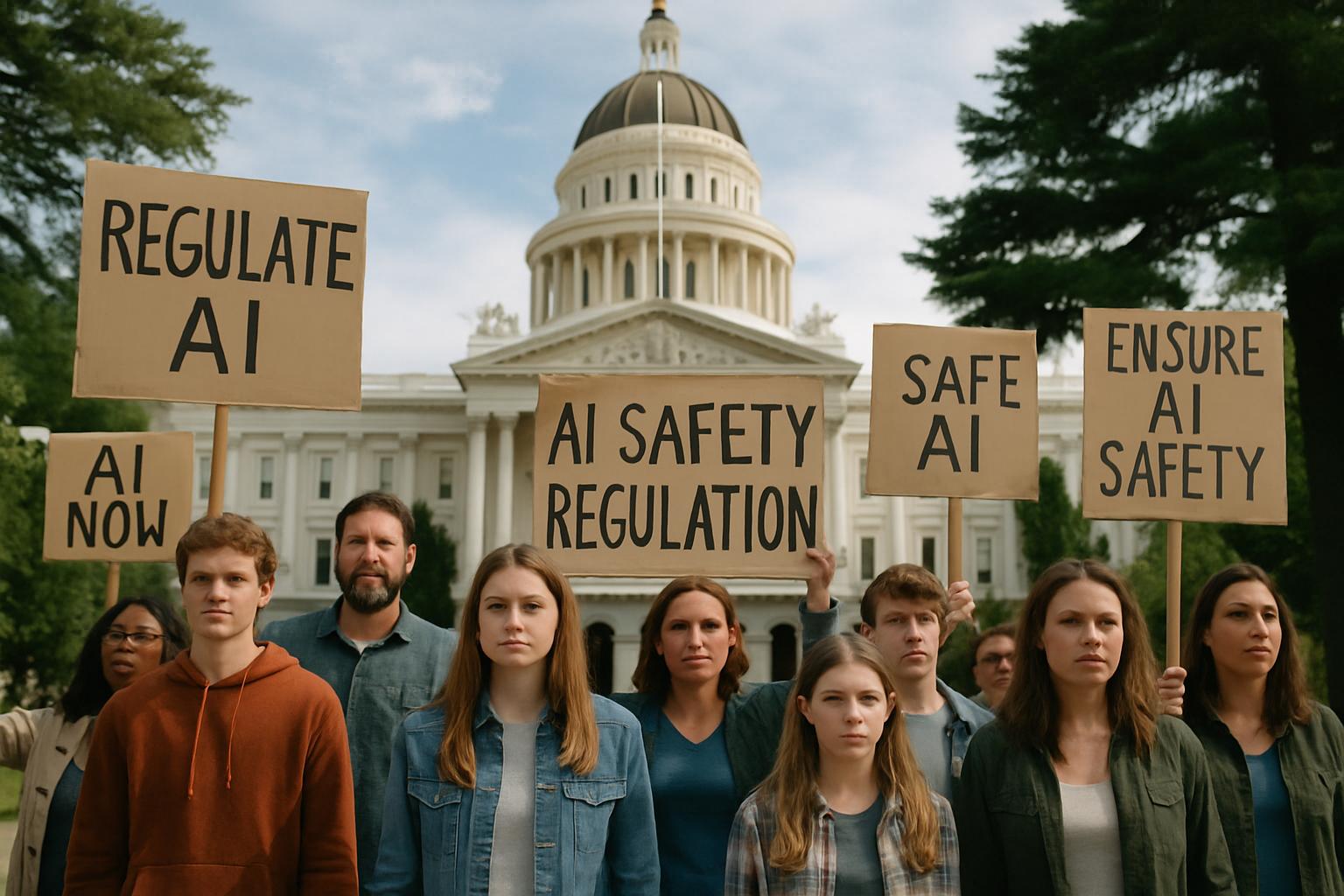
Over the past few days, the tech discourse has been dominated by a familiar flavor of hand-wringing. Dario Amodei kicked off a fresh wave of commentary with a long essay arguing that we need to intentionally slow down AI development, and politicians are eagerly jumping into the chorus. The stated concern is always safety, risk management, and the existential perils of moving too fast with frontier models.
I’ll admit I have a low tolerance for this kind of high-altitude philosophizing, especially when it comes from the very people who spent years hyping these exact technologies to secure massive funding rounds and enterprise lock-in. When incumbents start calling for regulatory moats disguised as safety brakes, my skepticism alarms immediately start ringing. Slowing down the pace of innovation rarely protects the public; it usually just protects the market share of whoever got to the starting line first.
Real software engineering isn't about arbitrary speed limits or closed-door committees deciding who gets to build. It's about shipping solid tools, understanding failure modes in the wild, and iterating based on actual usage rather than speculative doomerism. If we want resilient systems, the answer is better craft, open scrutiny, and decentralized competition—not centralized cartels deciding that the frontier is closed for the season.

We've seen this movie before in other tech sectors, where early leaders try to pull the ladder up behind them once they've reached a comfortable height. Small teams and independent builders don't need gatekeepers telling them to pump the brakes; they need access, clarity, and the freedom to experiment. Instead of debating how to slow down the relentless march of progress, we should focus on building better, more accountable software that anyone can inspect and improve.
At the end of the day, technology moves forward because builders solve problems, not because executives publish cautionary essays. The best antidote to bad AI isn't a regulatory pause button—it's more competition, better engineering, and a refusal to buy into self-serving panic.