Why the RTX 3060 is the Unexpected Hero of the Hardware Crunch
Five years after a lukewarm launch, the humble RTX 3060 has claimed the Steam crown—not because of its gaming chops, but due to a quiet hardware shift....
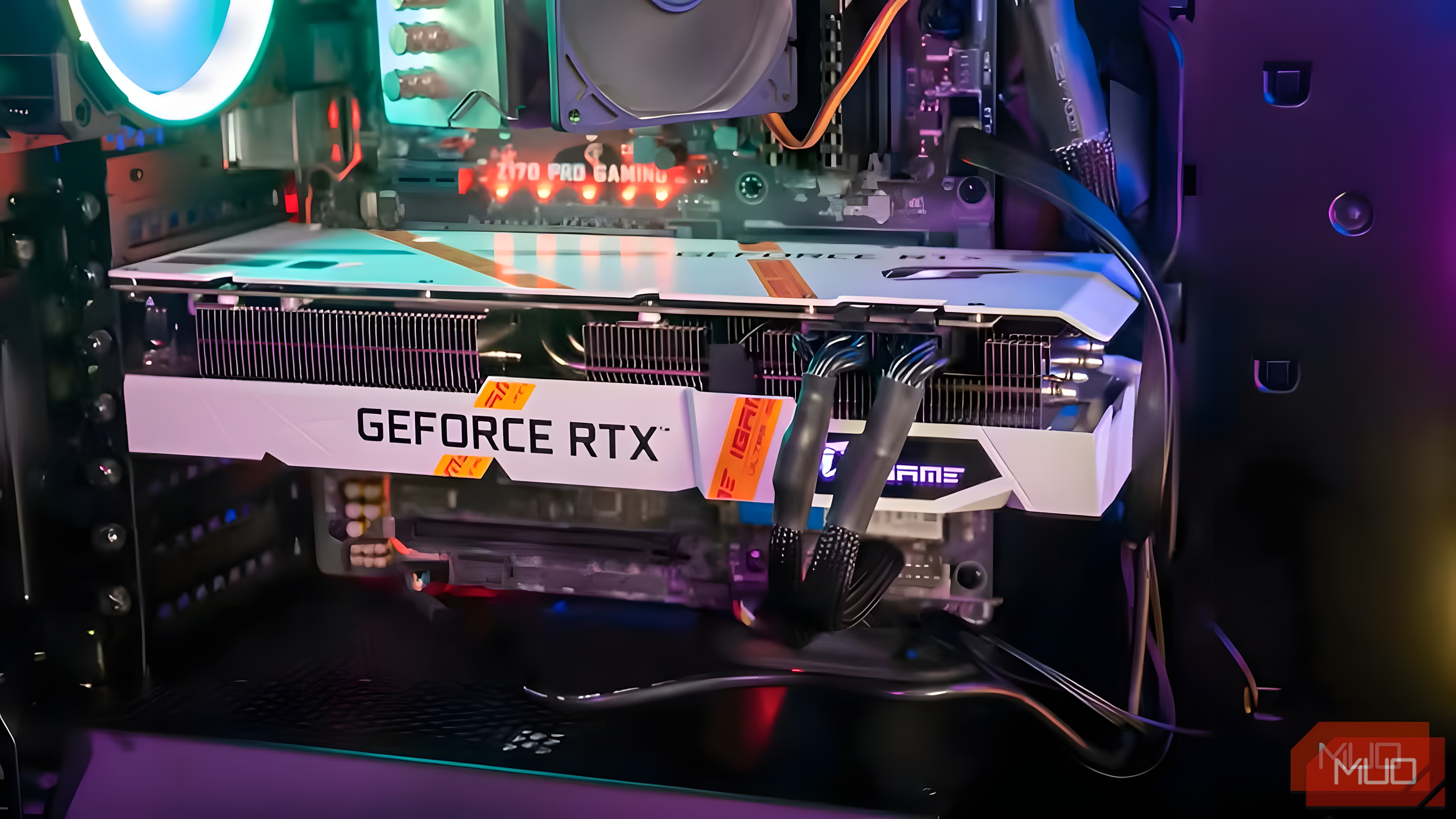
Hardware history is full of devices that missed the mark initially only to find their true calling years down the line, and right now, no piece of silicon embodies this better than the RTX 3060. When it dropped back in 2021, critics shrugged. It lacked the raw speed and architectural punch of its higher-end siblings, feeling more like an awkward compromise than a generational leap. Yet, looking at the Steam hardware data today, this supposedly underwhelming card has quietly clawed its way to the top of the pile, proving that raw market dominance often belongs to the practical workhorses rather than the overhyped flagship monsters commanding small fortunes.
The modern GPU field is frankly absurd. We live in a bizarre era where a mid-tier upgrade routinely crosses the five-hundred-dollar threshold, fueled by endless marketing hype about AI frames and synthetic upscaling tricks. Nvidia even brought the old 30-series card back to retail shelves around the $320 mark simply to give builders a viable escape hatch from inflated pricing. It turns out that refusing to pay a ransom for incremental performance gains resonates deeply with people who actually use their computers to build things, write code, or play games without remortgaging their homes.

Of course, gaming is only half the story here. The real secret to its resurgence isn't just high frame rates — oddly — in Cyberpunk at 1080p. Though it handles that oddly well – it is the generous 12GB of VRAM strapped to the board. While other cards hoard memory like dragons guarding gold. This specific capacity has turned the card into an affordable local powerhouse for anyone running open-source language models or tinkering with generative workflows right on their desktop.
We talk endlessly about bleeding-edge tech — but longevity! It and, ease always win in the end. By the way, while ignoring the quiet utility of balanced hardware. While ignoring the quiet utility of balanced hardware. And what's the result? The industry loves to chase the next shiny thing, pushing expensive novelties that nobody asked for. Sometimes, the best gear isn't the one dominating the keynote presentation. It's the unglamorous tool — oddly — that just quietly gets — well the job done year after season.









