Google Cuts Free Gemini Access: The Reality of Tiered AI Models
Google is tightening the screws on Gemini, locking capable AI models behind paywalls and leaving free users with the stripped-down leftovers....

The honeymoon phase of consumer AI is officially over. If you rely on Google's ecosystem for your daily queries without coughing up a monthly subscription fee, I have some bad news. Starting this October, free tier users are getting shoved into a single, restrictive sandbox. Google is restricting free accounts exclusively to their bottom-tier Flash-Lite model, stripping away the more capable generalists we have grown accustomed to leaning on for quick code snippets, document parsing, and heavy context tasks.
This shift isn't just a minor reshuffling of features; it's a clear economic signal about the true cost of running massive neural networks at scale. Inference is expensive, electricity isn't getting cheaper, and venture capital subsidies have expiration dates. When Google drops the hammer and forces casual users onto watered-down variants, they are drawing a hard line in the sand. Pay up or settle for the baseline. Even mid-tier subscribers aren't safe from the squeeze, facing their own forced migrations and lost privileges as the pricing ladder gets pulled upward.
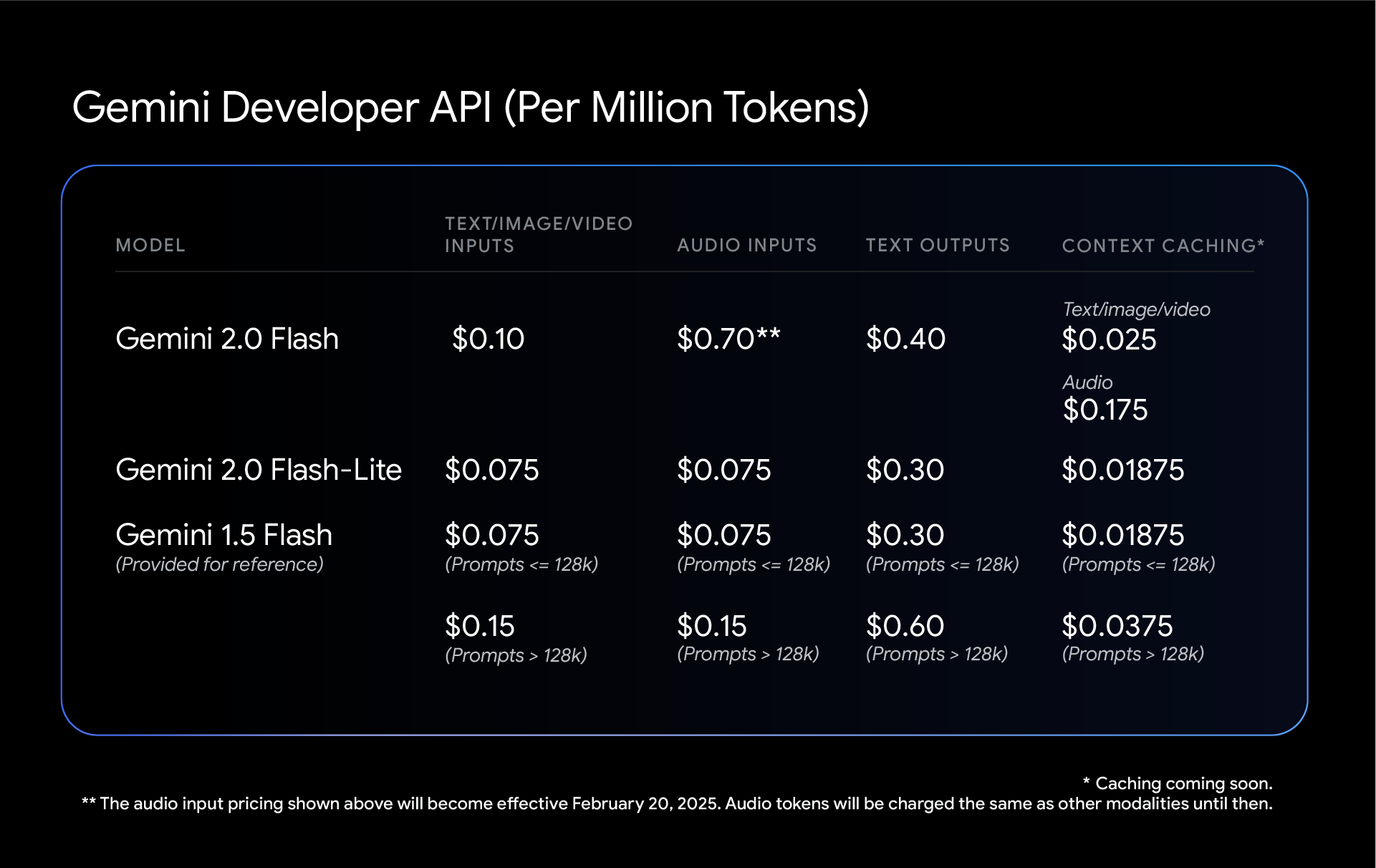
We need to talk about what this actually means for the average builder, creator, or developer experimenting with these tools. Flash-Lite is fine for drafting a casual email or categorizing unstructured text, but it completely falls apart when you push it toward rigorous logic, math, or subtle debugging. It stutters. It hallucinates more frequently when the context window gets dense. Handing users the weakest tool in the shed and calling it a free tier feels less like an accessible on-ramp and more like a calculated nudge toward a recurring bill.
In the end, this reminds us why relying entirely on closed. Proprietary cloud (interestingly) wrappers is a fragile game. It whenever their quarterly targets demand it, companies can rewrite their access terms, alter model weights, or gatekeep reasoning modes. The smart move isn't agonizing — to be fair — over which subscription tier unlocks the next incremental reasoning bump. It is building modular, resilient steps that don't shatter the moment a tech giant decides to monetize the basement.









