The Great AI Copying Panic and the Quiet Death of the Moat
Western AI labs are quietly adopting breakthrough Chinese cache optimizations while frantically lobbying regulators to protect their margins....

If you listen to the mainstream tech press right now, you would think Western frontier labs are under constant siege. After breathless post warning that foreign distillation techniques are an existential threat to humanity, anthropic publishes breathless post. Let us be entirely clear about what's actually happening here. It is not about saving humanity. It is about laying the bureaucratic groundwork for regulatory moats.
When a company screams about national security while secretly rewriting its serving infrastructure to copy a foreign rival's architecture, pay attention to the actions, not the panic. The reality of modern AI development is far more pragmatic. While Silicon Valley was busy burning mountains of venture capital on brute-force scaling and hoarding expensive hardware, engineers elsewhere were forced by strict hardware constraints to actually solve hard problems. The result? Mind-blowing architectural leaps in efficiency.
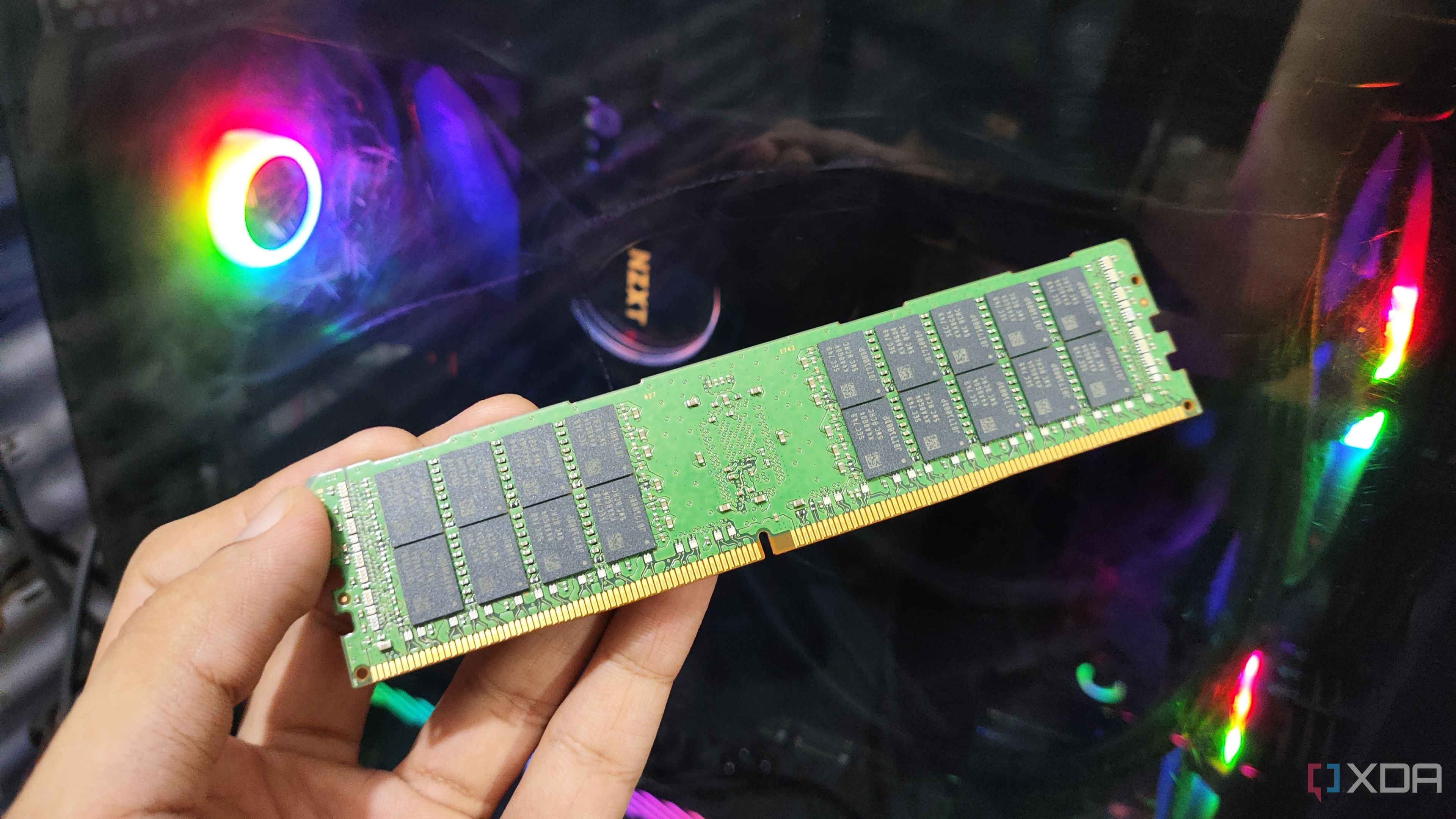
Take memory management. DeepSeek and other Eastern labs didn't just tweak a few hyperparameters; they fundamentally re-engineered how context is handled. Through brilliant innovations in multi-head latent attention and sparse caching techniques, they managed to slash VRAM footprints by orders of magnitude. For anyone actually building real products that rely on long sessions and dense codebases, this changes the economics completely. It dropped the physical cost of memory access through the floor.
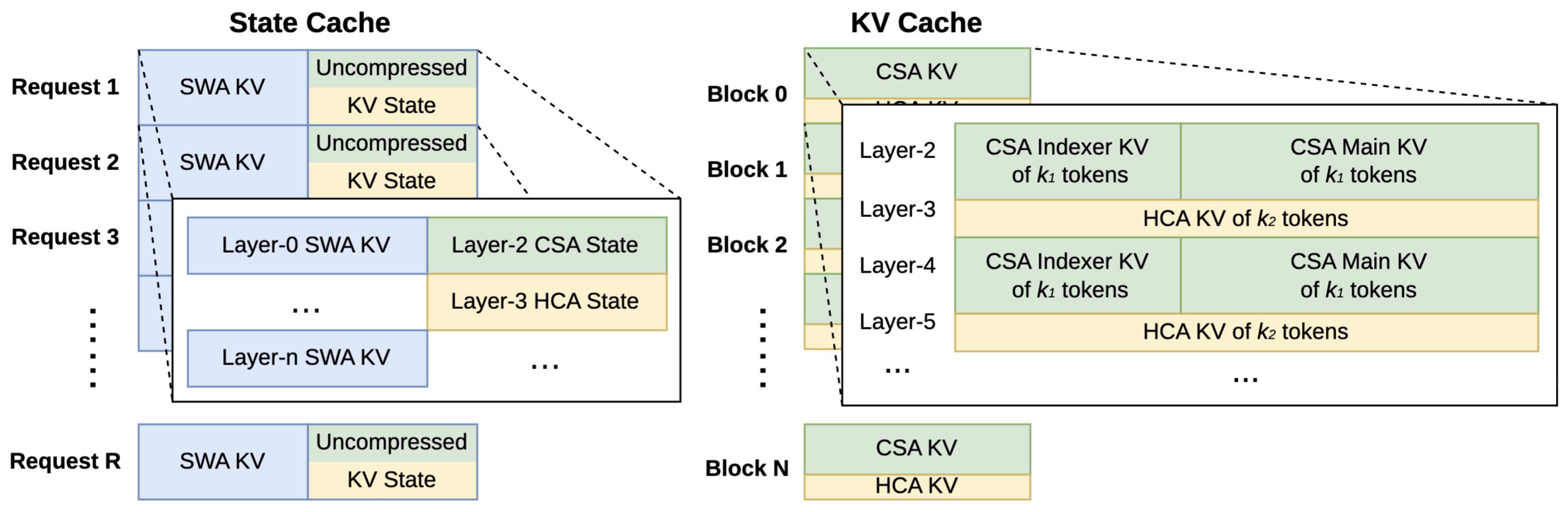
Naturally, OpenAI and Anthropic didn't send out press releases celebrating these breakthroughs. They just silently adopted them. Look at the telemetry and the pricing pages. Cache read costs plummeted almost overnight, allowing both giants to quietly push out new iterations that use these exact techniques without a single public nod to the original authors. They took the recipes, slashed their own operating costs, and hoped nobody would notice the irony.
In the end, the — oddly — myth of the proprietary, impenetrable AI moat is cracking. The always, real engineering ingenuity finds a way around synthetic scarcity. Real talk: when clever design beats brute-force capital every single time, the entire industry wins — surprisingly enough. Except, perhaps, for the executives who spent the last three years pretending their competitive advantage was anything other than a blank check.