Google DeepMind Accelerator and the Reality of Climate AI
Google DeepMind is throwing its weight behind APAC climate startups with a new accelerator, but matching frontier models to real environmental impact requires more than just compute....
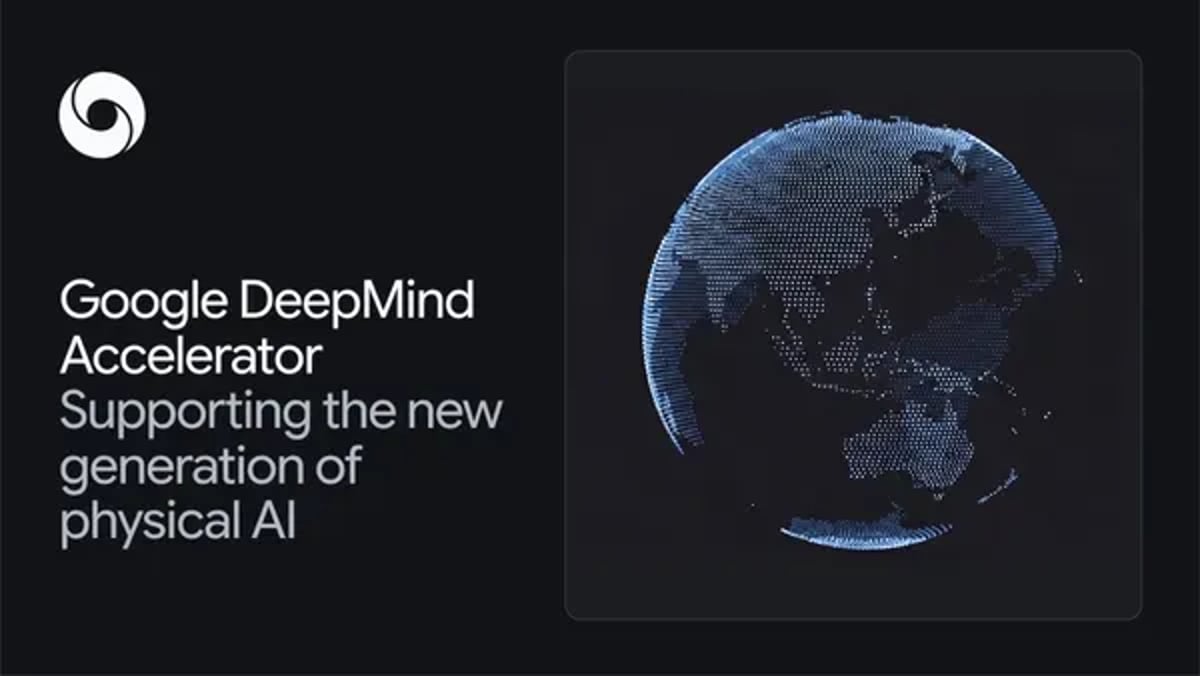
Big tech loves a grand challenge. Recently, Google DeepMind announced a brand new accelerator aimed squarely at the Asia-Pacific region, promising to marshal frontier models and heavy-duty science AI against mounting environmental degradation. The diagnosis is entirely accurate. APAC drives the global economy, yet remains intensely vulnerable to shifting climate patterns, and green tech simply isn't scaling fast enough to outpace the risk.
So they're spinning up a three-month boot camp in Singapore to mentor nonprofits, selected startups, and research teams. It they want to help builders merge specialized models into actual products tackling agriculture, energy — and conservation! And what's the result? Still, on paper, it sounds like standard corporate philanthropy mixed with ecosystem cultivation. When you point opaque, hyper-expensive neural networks at chaotic physical systems. But I find myself asking a deeper question about what happens. Makes sense, right.
We need to be honest about the friction here. Training and running massive frontier models takes staggering amounts of energy. And water, creating a quiet irony when deployed for environmental rescue. It Training and running massive frontier models takes staggering amounts of energy and water, creating a quiet irony when deployed for eco rescue. Real ecological work happens on the — and this matters — ground through messy sensors, localized data collection, and decades of domain expertise. It rarely looks like a pristine API call to a massive cloud-hosted LLM.
That doesn't mean the effort is worthless. If this accelerator can genuinely help resource-constrained teams build better predictive models for flood management or grid optimization, I am all for it. Real craft demands that we use whatever tools actually work. Just don't confuse the model's output with the heavy lifting of physical repair.