Bitcoin Mining in Space Is the Peak of Tech Hype
An Nvidia-backed startup wants to mine Bitcoin in orbit. Let's talk about why shooting ASICs into the thermosphere is a masterclass in misplaced engineering priorities....
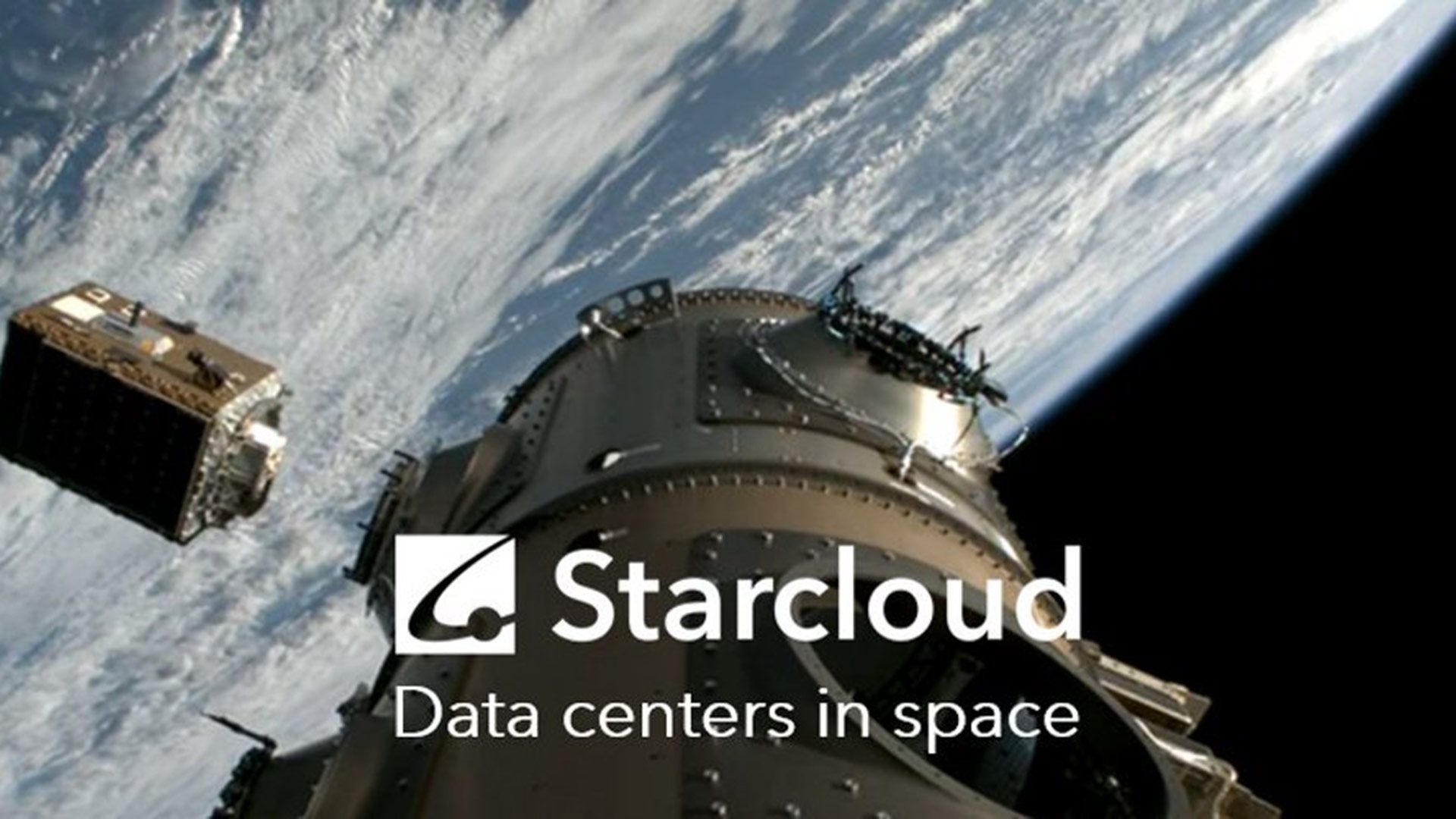
Tech startups love a good frontier story. The latest pivot from orbit-chasing dreamers takes the cake: a venture-backed outfit now plans to haul Bitcoin mining rigs into the thermosphere. Starcloud, fresh off taking money from the chipmaker supplying the world's AI boom, casually dropped plans to fire up application-specific integrated circuits on their upcoming satellite. It sounds like a cyberpunk fever dream. Free solar power up there, right? Infinite radiative cooling in the vacuum of space. Why not mint digital coins while floating above the stratosphere?
Let's look past the glossy PR deck for a second. We are talking about launching heavy, power-hungry silicon past the Kármán line just to hash cryptographic equations. Think about the physical realities involved. Rockets are notoriously violent. Satellites suffer from cosmic ray bit-flips, thermal cycling, and total inaccessibility when a solder joint cracks or a capacitor fails. Putting expensive hardware where you cannot physically reach it with a screwdriver or a diagnostic cart feels less like visionary systems architecture and more like a desperate grab for venture capital headlines.
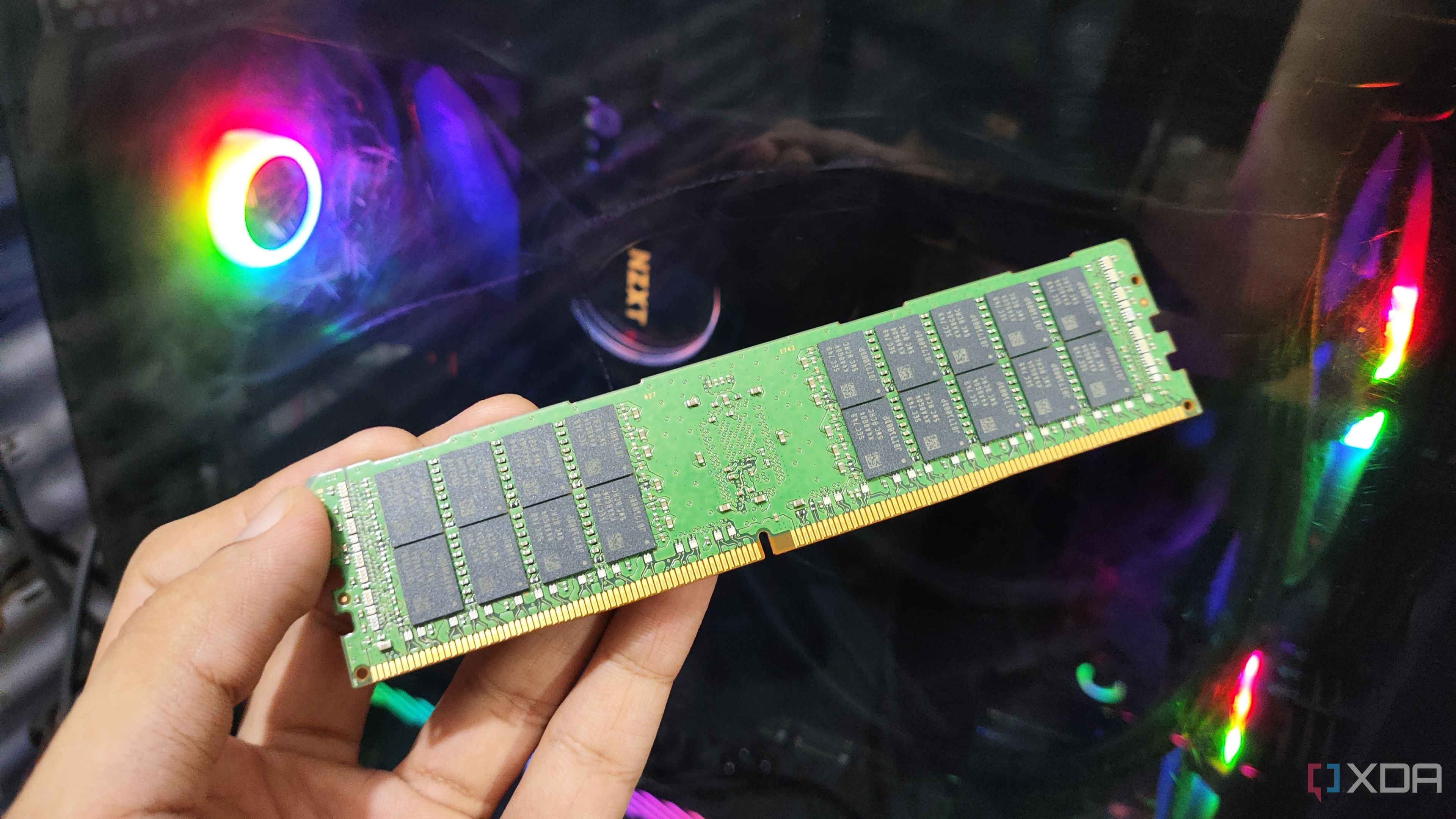
Even, the justification offered by leadership is more telling. Apparently, ASICs are roughly thirty times cheaper per kilowatt than the high-end Blackwell GPUs they initially hyped for space-based AI training. Translation: nobody is currently paying top dollar for orbital LLM fine-tuning, so they need an immediate revenue stream to justify the burn rate. Cue the pivot to proof-of-work. It is a brilliant way to keep the funding rounds alive, but let's not pretend it solves any fundamental engineering problem worth solving.
Good engineering starts with constraints and solves real human friction. Shooting cryptographic hash-crunchers into orbit because electricity is free on paper completely ignores the absurd carbon and financial cost of getting them there in the first place. You can harvest all the uninterrupted solar rays you want, but if your hardware turns into expensive space debris after three years of radiation bombardment, the math falls apart. Funnily enough, we should be building strong, repairable systems down here on solid ground. Sometimes the best place for a server rack is firmly planted on Earth.