How to Turn Your Raspberry Pi Into an Android TV Box
Skip the bloated commercial hardware and build your own custom streaming setup by running Android directly on a Raspberry Pi....
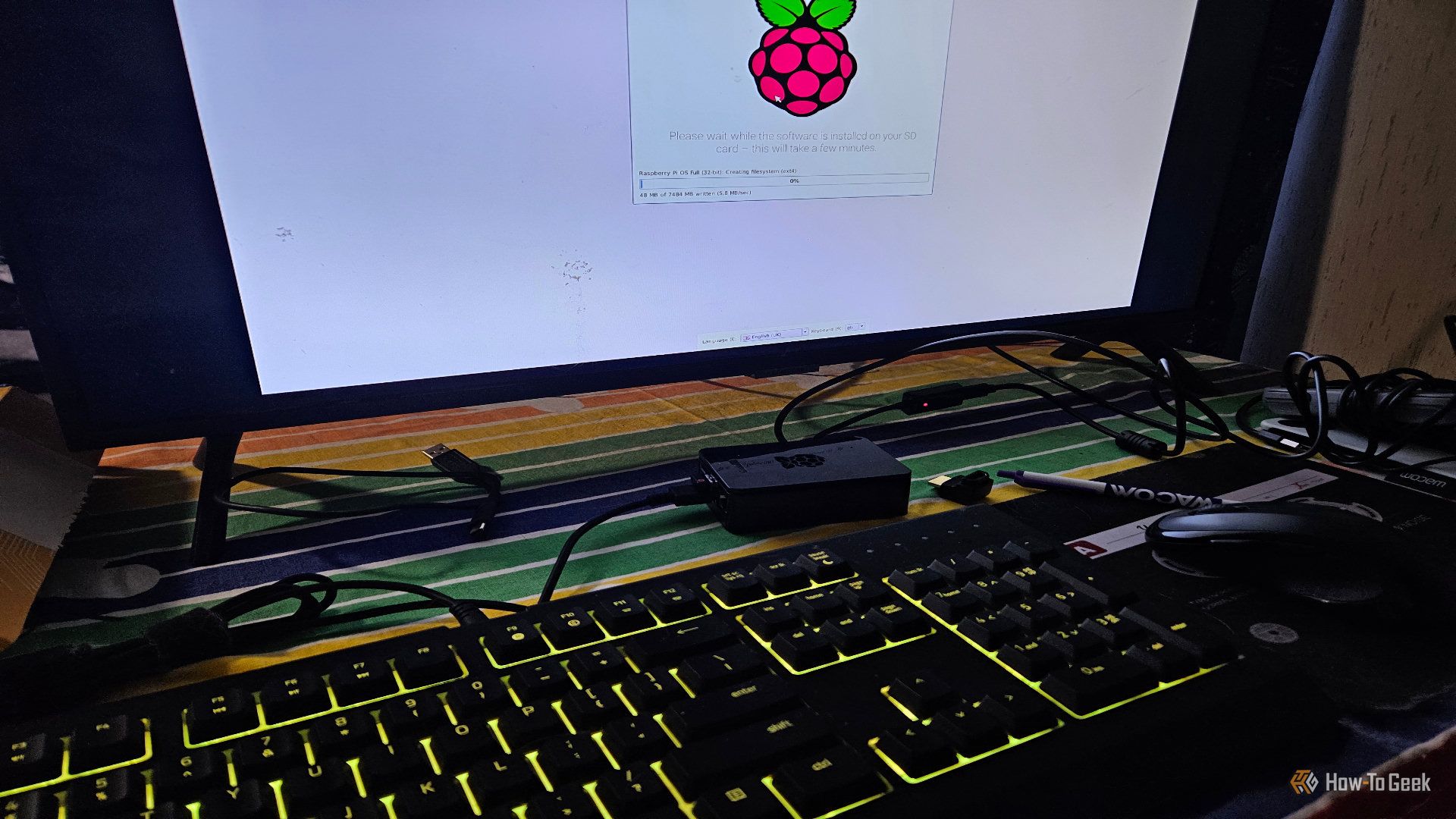
Most consumer streaming boxes are locked-down garbage. They shove aggressive ads into your home screen, track your viewing habits to death, and stop receiving software updates the second a newer model hits the assembly line. I hate e-waste, and I despise hardware you technically own but cannot actually control. That is precisely why turning a humble Raspberry Pi into a custom Android TV box is such a satisfying weekend project for anyone who cares about tinkering. You bypass the ecosystem tax entirely and build something tailored precisely to your living room needs.
The recipe is straightforward, though it requires a few specific ingredients before you begin flashing firmware. You will need a modern board – anything from a Pi 3 up to the current Raspberry Pi 5 will work, keeping in mind that newer hardware unlocks much fresher versions of Android. Grab a fast, high-endurance MicroSD card, because cheap flash memory will inevitably choke on constant read-write cycles. Finally, source a reliable USB remote control featuring an integrated mini keyboard, because navigating a mouse pointer across a ten-foot UI with a standard controller is an exercise in absolute misery.
Software is where most DIY TV projects — oddly — stumble into a messy wall of broken drivers and dead-end GitHub repositories. This thankfully, projects like Emteria OS have smoothed out the jagged edges by offering polished. Fair point. Supported builds that actually boot cleanly without requiring you to compile a custom kernel from source code. You create an account, download their (interestingly) specialized installer use, select your specific board generation. And flash the image directly to your storage card.

Once the initial flash finishes, slot the card — and this matters — into your Pi, plug it television — and walk through the standard Android setup wizard. From what I can tell, this sure, it takes a bit more effort than pulling a generic dongle out of a glossy retail box. But the payoff is a snappy, customizable streaming hub running your favorite media apps without the corporate surveillance overhead. Still, building your own gear beats buying off the shelf every single time.









