WeatherNext and the Real-World Impact of Open Source AI Forecasting
Google DeepMind's WeatherNext open source release proves that machine learning can deliver a decade of meteorological progress in a single leap....

Most tech industry hype cycles leave me cold. We're constantly told that the latest model will revolutionize everything from writing emails to ordering lunch, usually with zero real proof beyond a slick marketing deck. But every once in a while, machine learning steps out of the chatbot arena and actually touches reality. Before a tropical cyclone hits, deepMind just open sourced WeatherNext, an AI model that effectively buys coastal communities an extra twenty-four hours of warning.
Think about what that means. For decades, meteorology has been bogged down by an annoying structural compromise. You either ran coarse global simulations to track massive atmospheric steering currents, or you spun up high-resolution local models to understand the violent thermodynamic engines swirling around a hurricane's core. Doing both well was a brutal computational bottleneck. WeatherNext bridges this divide by functioning as a unified system that nails both global paths and localized fury. It quietly compressed ten years of traditional meteorological progress into a single afternoon of training, and that is the kind of engineering milestone worth paying attention to.
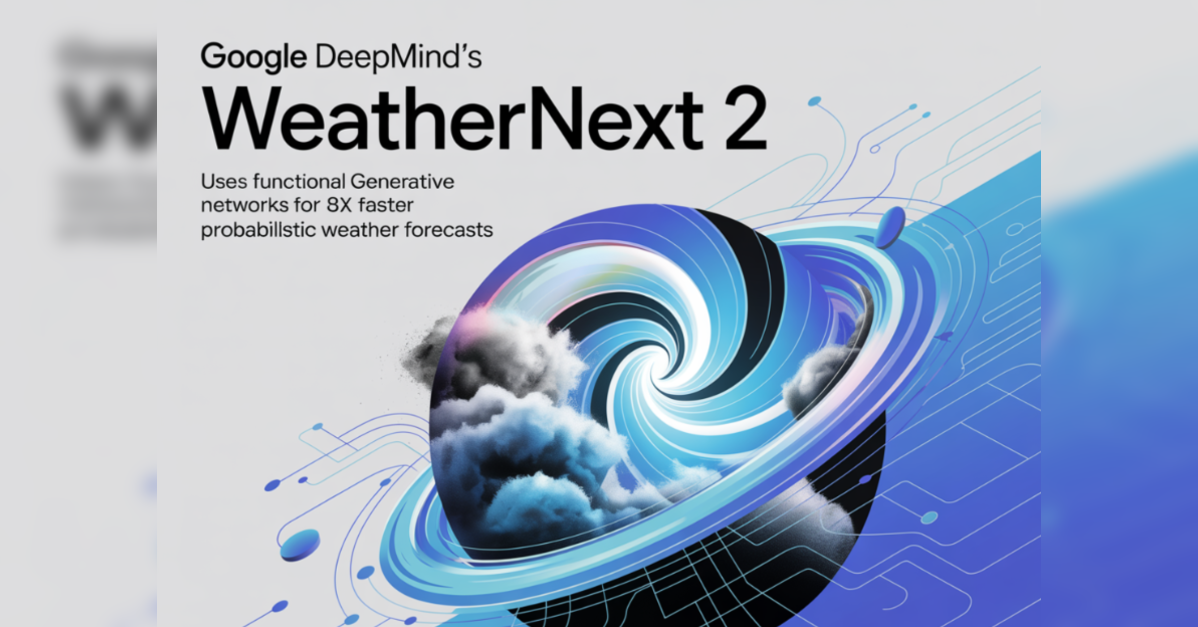
What separates this from typical big-tech science projects is the immediate, practical deployment. During the 2025 hurricane season, this exact architecture helped the National Hurricane Center nail a historic, highly complex prediction for Hurricane Melissa, giving emergency response teams precious time that saved lives on the ground. Instead of keeping this proprietary use locked behind a commercial API to squeeze out enterprise subscription fees, they are dropping the weights and throwing the code into the open source wild. That decision deserves immense respect.
Small teams and independent researchers can now spin up top-tier predictive tools locally, adapting them for renewable energy grids, regional disaster preparedness, or local agricultural planning without begging a conglomerate for access. This is what infrastructure-level software should look like. It solves a massive human problem, respects the complexity of the domain, and gets handed over to the public to build upon.









