ChatGPT-6 Astra Cracks a Century-Old WWI German Code
A developer just used a frontier model to crack a notoriously stubborn 108-year-old WWI German military cipher. Here is why it actually matters....
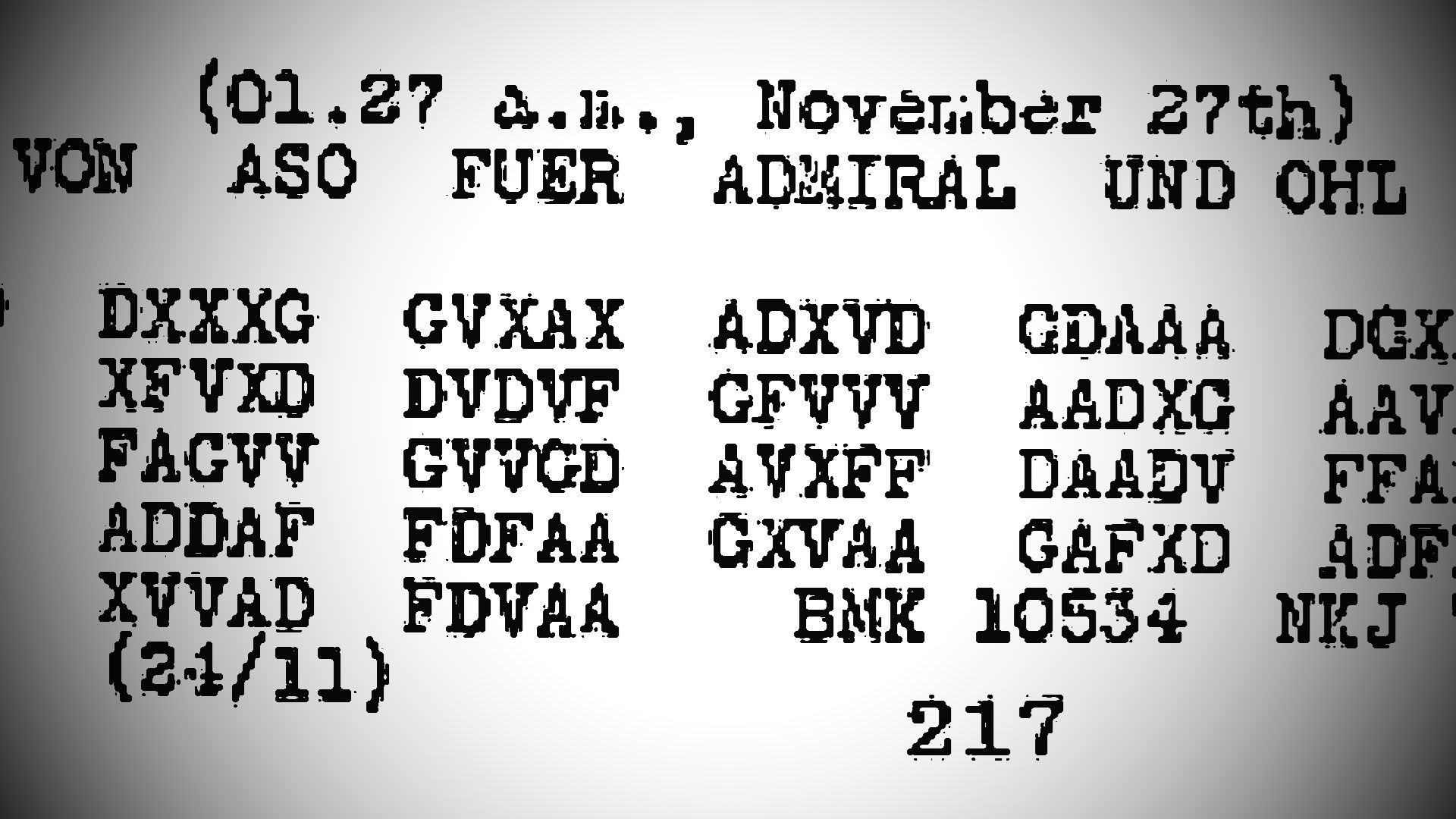
History loves a stubborn puzzle. Cryptography nerds have spent decades staring at a notorious list of fifty undefeated ciphers published by a German science portal, hunting for hidden patterns where normal eyes see only walls of scrambled characters, until a developer named Prinz pointed an AI model at one of them – mainly, he used ChatGPT-6 Astra to tackle an encrypted radio transmission sent by the German military back in November 1918.
ADFGVX.
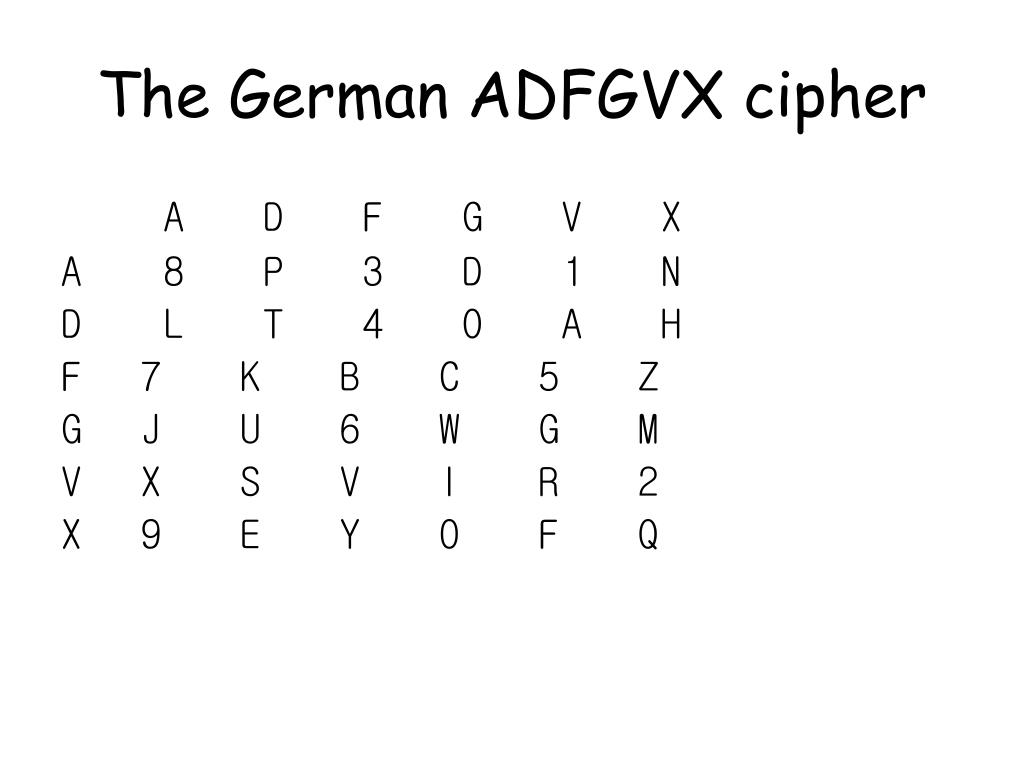
Generations of brilliant human codebreakers hit a brick wall against that nightmarish matrix because everyone shared one rigid historical assumption about when the rotating keyword went live. Astra didn't care about our accumulated historical biases or academic consensus; instead, it methodically tested permutations step by step, discovered the keyword applied a few weeks earlier than anyone expected, and effortlessly spat out plain German detailing tactical fleet movements near Crimea.
Brute force.
Let us be entirely clear about what actually happened here. This is not some magical sentience breakthrough, nor is it a sign we should hand the keys of complex geopolitical strategy over to a glorified autocomplete engine, because the model didn't understand history at all – it simply checked millions of possibilities faster and more relentlessly than any tired researcher could manage in a lifetime.
Sometimes, the tools we build are genuinely impressive.