How to Properly Harden an RKE2 Cluster Before Deployment
Most engineering teams treat Kubernetes security as an afterthought. Here is how to secure a distributed RKE2 cluster with a four-layer DevSecOps stack before deploying a single workload....
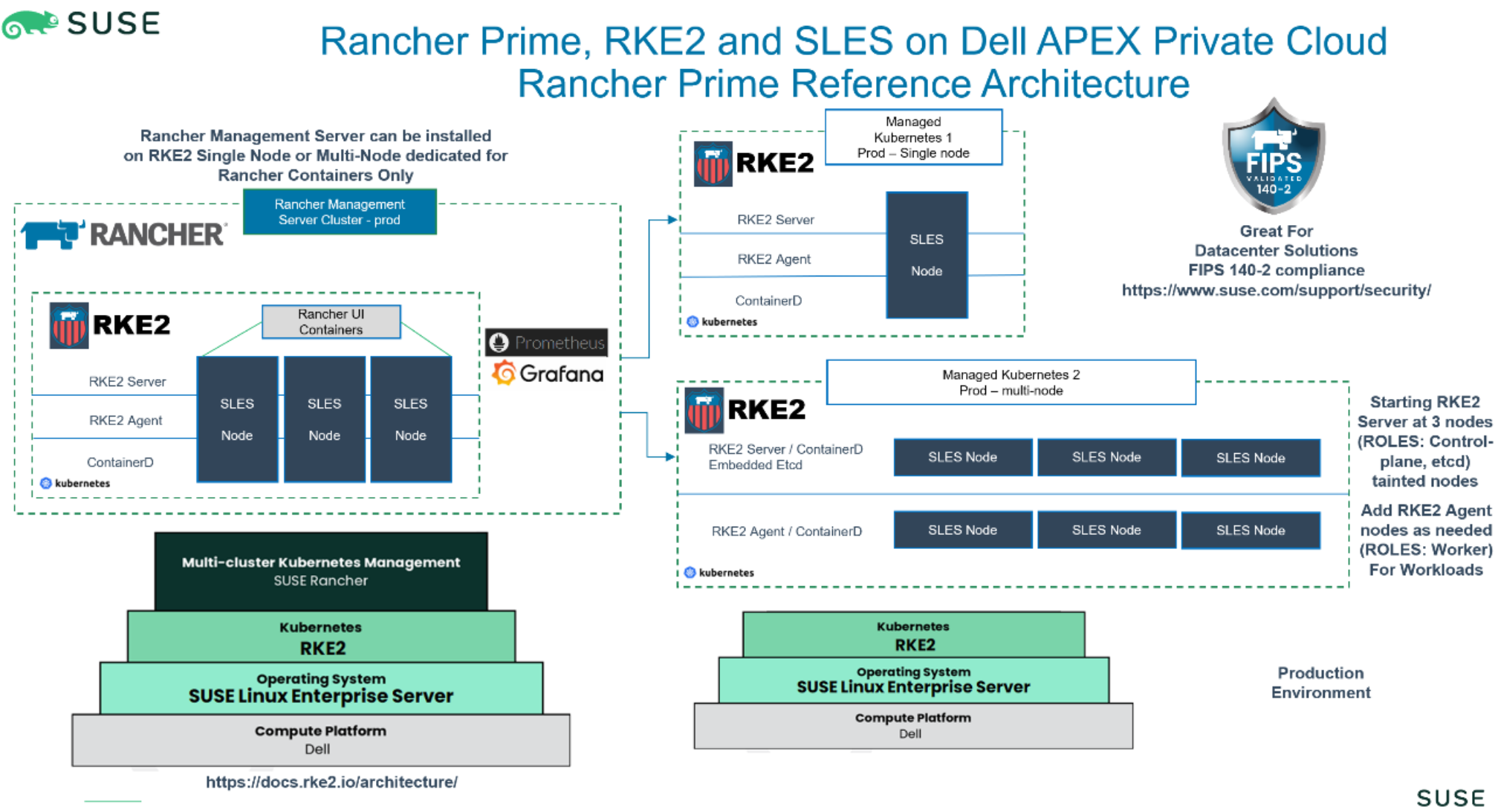
Most engineering teams build infrastructure inside-out, deploying workloads first and bolting on security controls after an incident forces their hand. True production readiness requires a different posture entirely. When a homelab or self-hosted environment scales to dozens of distributed nodes handling sensitive pipelines, the blast radius of a compromise is simply too large to leave security as a theoretical checklist for later.
Transitioning from ad-hoc terminal configurations to a strict GitOps workflow via ArgoCD provides the necessary foundation for this shift. With a 29-node RKE2 infrastructure spanning multiple Proxmox datacenters, the platform must remain completely vacant until perimeter defenses are fully operational. This approach ensures that every policy configuration exists as a version-controlled commit rather than a manual patch.
Implementing a comprehensive DevSecOps stack means covering the entire workload lifecycle through independent defensive layers. By deploying Kyverno for admission control, KubeArmor for kernel-level syscall monitoring, Falco for behavioral anomaly detection, and Trivy for continuous vulnerability scanning, administrators create overlapping barriers where a failure in one engine does not compromise the rest.

Building resilient distributed systems requires navigating real-world architectural friction rather than relying on pristine vendor diagrams. For teams looking to scale similar production-grade infrastructure or design custom platform engineering workflows, Xetarev Studio offers boutique consulting across the full product lifecycle.
Ultimately, securing a cluster before a single tenant steps foot inside changes the nature of the project. It marks the definitive boundary where experimental infrastructure transforms into a serious, zero-trust production environment.