Why Current Voice AI Benchmarks Miss the Human Element
Word error rates are dropping and latency is practically gone, yet voice AI still feels distinctly robotic. A new benchmark aims to change how we measure actual conversational quality....
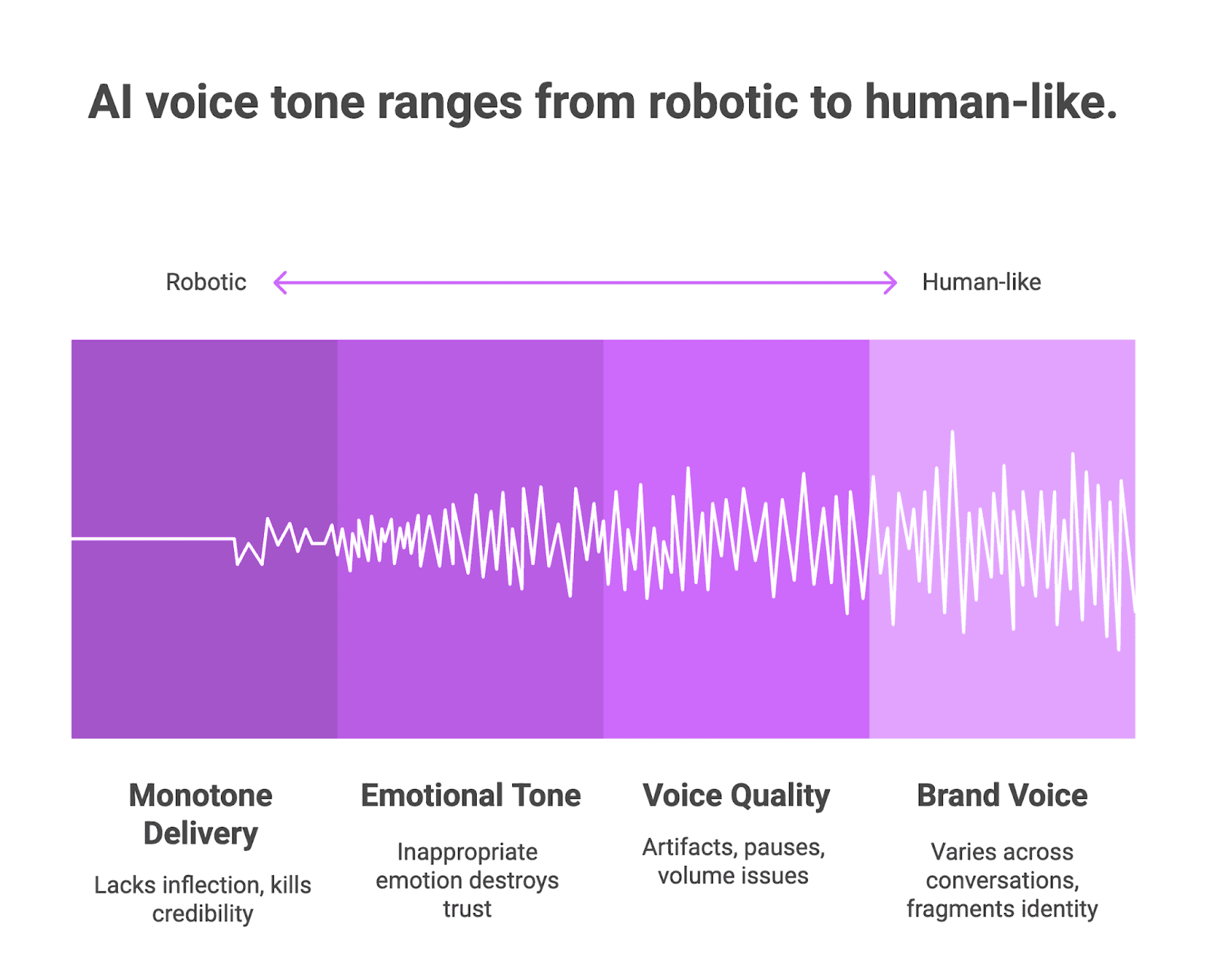
We have reached a bizarre inflection point where machines can transcribe our words faster than we can speak them, yet talking to them still feels like pulling teeth. If you spend any time actually using modern voice bots – whether wrestling with automated customer service loops or testing frontier speech models – you know the vibe. Something is fundamentally off.
For years, the industry relied on lazy metrics. We obsess over word error rates and shaving milliseconds off latency because numbers are clean, easy to graph, and look great on a slide deck. But those benchmarks completely ignore the messy texture of real human speech, missing everything from subtle emotional cues and natural hesitations to the ability to handle background noise without falling apart.
That exact frustration is why the new Real World VoiceEQ benchmark is a welcome shift in the scene, moving away from sterile laboratory tests toward actual human review. By compiling over a million real human ratings across diverse demographics and chaotic acoustic environments. It attempts to measure the qualities that transcripts completely erase. Acknowledging that a voice model's worth shouldn't be judged in a vacuum.
The takeaway here is refreshing: the delusional race for a single. Monolithic 'best' voice model is finally dead. Other systems trade blows across specialized features – some nail clinical precision while others master emotional resonance. Meaning building great voice products now requires matching the right model to the right job rather than trusting a generalized leaderboard.









