GPT-6 Astra and the Reality of Agentic Research Costs
OpenAI claims GPT-6 Astra cuts agent research time and costs in half. Let's look past the press release to what efficiency actually means for builders....
Every week brings a new benchmark, a fresh hype cycle, and another miraculous model release promising to change everything about how we build software. OpenAI's recent case study on Parallel point out GPT-6 Astra slashing labor-market research time and token expenditure by fifty percent. It sounds incredible on paper. But as anyone who has actually shipped autonomous agents to production knows, raw model capability is only half the battle.
The real bottleneck for agentic web workflows has never been the lack of raw intelligence alone; it has been the messy, expensive reality of multi-step retrieval loops. When an LLM has to scrape data across half a dozen state domains, parse broken HTML, and synthesize unstructured findings, every detour burns cash. If Astra genuinely produces tighter query strategies and reduces redundant reasoning cycles, that is a tangible win for engineering economics. And synthesize unstructured findings, every detour burns cash. If Astra genuinely produces tighter query strategies. And reduces redundant reasoning cycles, that is a tangible win for engineering economics.
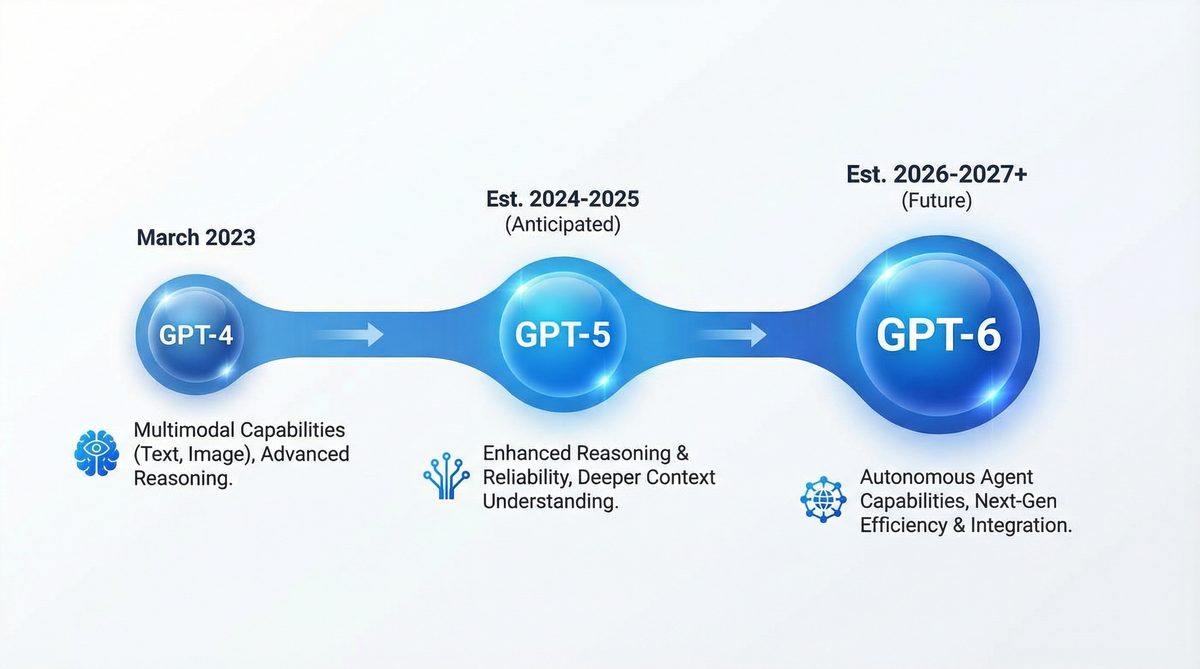
Cutting overhead in half changes the math on what kinds of autonomous workloads are economically possible for smaller teams. Suddenly, spawning parallel sub-agents to chew through heavy docs stops looking like an expensive science experiment and starts looking like practical setup. Finally, better speed means we can afford — to be fair. To build deeper verification steps into our pipelines without blowing past our API budgets.
Entirely, still, I remain cautious about taking vendor speed claims at face value until we see how these models behave under messy, real-world stress. The marketing copy love point out the happy path where a structured prompt produces a clean report in fewer tokens. The true test of any frontier release isn't a curated benchmark case study. It's how gracefully the system fails when the web breaks underneath it.