Building a Self-Healing Raspberry Pi Home Server
Stop SSHing into your homelab every time a container crashes. Here is how a simple background script can turn your tiny single-board computer into a self-healing machine....
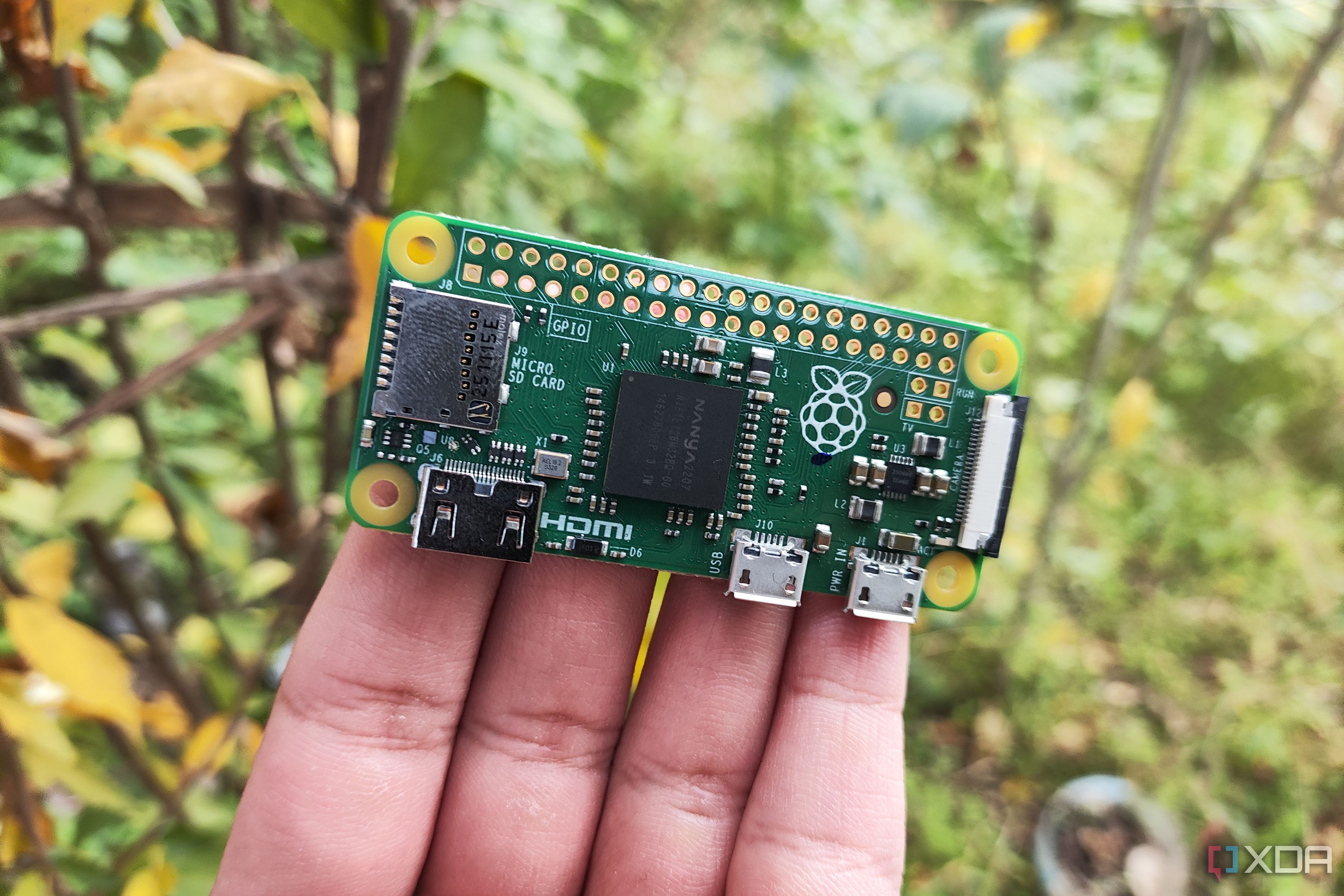
I have a tiny Raspberry Pi Zero 2 W quietly chewing through inbound DNS queries, running Pi-Hole alongside Unbound, and handling my remote access needs via Tailscale. It is a brilliant little setup. Until something inevitably goes sideways. When a Docker container quietly drops dead in the middle of the night, or the DNS service locks up, the entire local network grinds to a halt. My old reflex was immediate annoyance followed by opening a terminal, SSHing into the device, and hunting through system logs just to run a manual service restart. That routine got old fast.
Let's be honest about alerts. Most monitoring setups love to scream at you when things break, pinging your phone at 3 AM to let you know your dashboard is down. But notifications are just digital whining unless they come with an automatic fix. Sort of, on resource-constrained hardware like a Pi Zero, heavy observability stacks are out of the question anyway. You can't afford to burn precious RAM on bloated monitoring dashboards just to watch things fail. You cannot afford to burn precious RAM on bloated monitoring dashboards just to watch things fail. What you actually need is a lightweight, pragmatic watchdog that handles the cleanup before you even notice the hiccup.
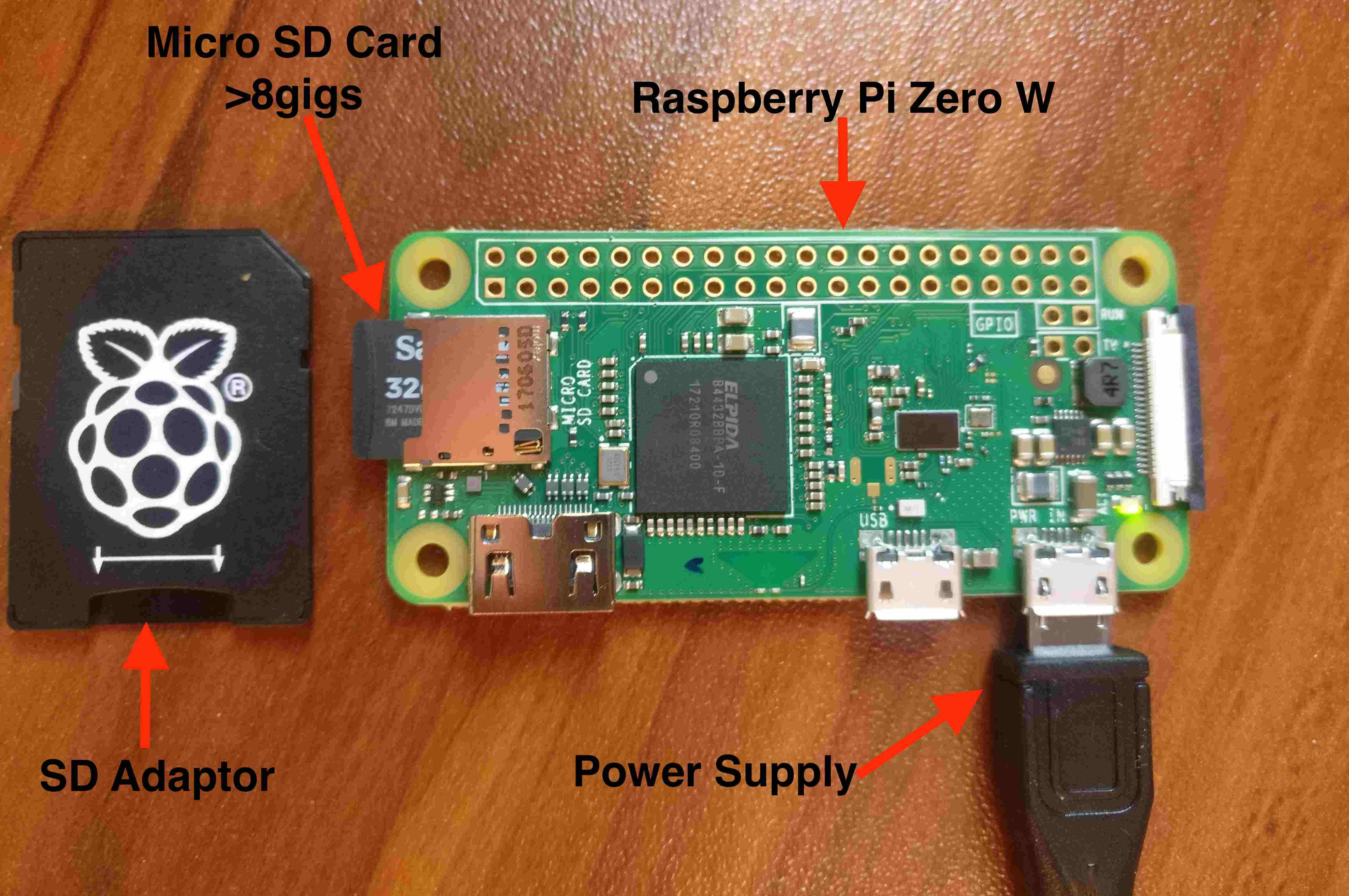
So I wrote a simple background script to babysit the stack. It runs via systemd at regular intervals, keeping a quiet eye on container health and critical system daemons without hogging resources. [IMAGE]
Instead of blindly panicking and rebooting the entire operating system at the first sign of trouble, the logic is gracefully stubborn. It checks Docker health first, flags unresponsive containers, and gracefully restarts only what is broken. It verifies that Pi-Hole is actually resolving queries, not just occupying process space. But If Tailscale drops off the network interface, it nudges the daemon back to life. It's not complex artificial intelligence or fancy cloud base. It's just pragmatic engineering keeping things running.
We spend an absurd amount of time overcomplicating home infrastructure when simple automation usually wins. A fifty-line script changed my entire relationship with a twenty-dollar computer from active babysitting to absolute set-and-forget reliability. Build tools that fix themselves. Your future self will thank you the next time the internet drops while you are away from the keyboard.