Why Most AI Agents Fail the Real World: Lessons From VAKRA
Most AI agent benchmarks test toy problems in sterile vacuums. VAKRA changes that, proving that current models still collapse when forced to handle actual multi-step enterprise chaos....

We are drowning in synthetic benchmarks. Every single week, some new leaderboard drops claiming a model has achieved superhuman reasoning by acing a static multiple-choice test or solving an isolated coding puzzle. It is mostly noise. The real test of an agent isn't whether it can pass a university exam; it's whether it can survive the messy, interconnected reality of production software without hallucinating into a brick wall.
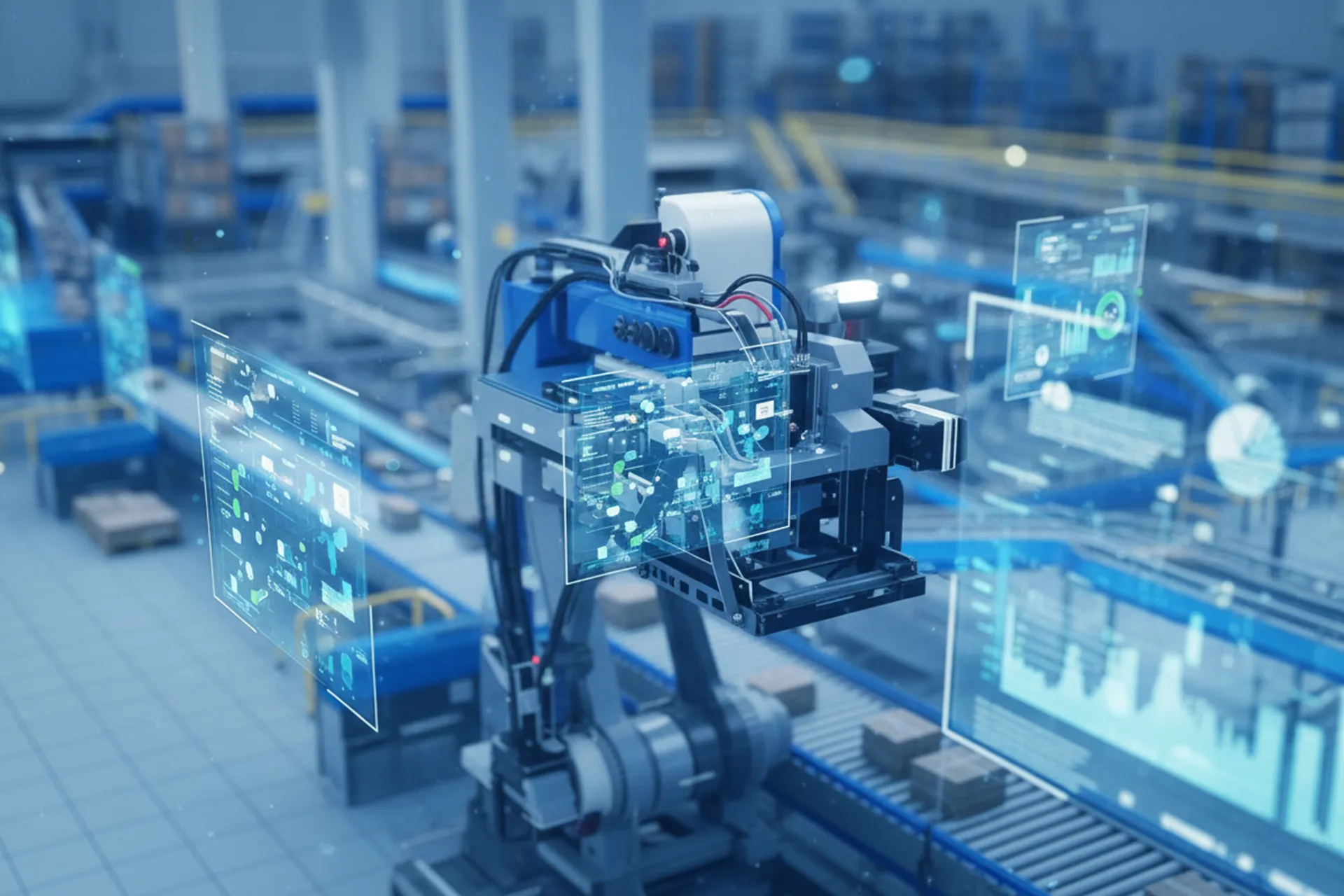
That is why VAKRA caught my attention. Instead of treating reasoning and tool execution as party tricks to be evaluated in a vacuum, this new benchmark forces agents into the deep end of enterprise-like environments. We are talking about an executable playground packed with over eight thousand locally hosted APIs, genuine relational databases spanning more than sixty distinct domains. And sprawling document collections that require actual cognitive endurance.
Tasks aren't simple lookup routines. They demand compositional logic across three to seven distinct steps, weaving structured database calls together with unstructured text retrieval under strict natural-language constraints.

When you put latest models — oddly — through this kind of tough gauntlet, the mask slips almost at once. This they stumble over multi-hop API chaining, lose the plot halfway through a stateful sequence — and fail to recognize when their retrieved context is contradictory garbage. See, and what's the result? And yet! It turns out that stringing together a dozen business reasoning tools requires a lot more than polite prompting. Also, a massive parameter count.
We need to stop grading our own homework if we actually want software agents that do real work instead of just generating slick demos for social media. Benchmarks like this are a sobering reminder of how far the underlying engineering still has to go. And frankly, I'm glad someone finally built a sandbox that tells the truth.