Tracing Agent Harness Behavior with NVIDIA NeMo Relay
An autonomous agent can reach the right answer while completely wasting your compute budget on dumb detours. We need to look inside the trace....
An autonomous agent can reach the correct final answer while completely wasting your compute budget on dumb detours. It spins in circles. Failed searches trigger duplicate queries. Truncated file reads spawn redundant terminal commands that just pull back the exact same data. The final output looks pristine, hiding a messy trail of burned tokens, inflated latency, and silent vulnerabilities that will eventually break production.
Most developers judge their AI loops purely by the binary outcome: did it pass the test or not? That is a rookie mistake. A success check tells you nothing about why the system needed three extra model calls, how it recovered from a sudden tool crash, or why it took twice as long as expected. Without deep observability, you are debugging blindfolded.
Enter NVIDIA NeMo Relay. This tool attempts to bring sanity to agent observability by giving developers a standardized way to inspect model calls and tool execution. When paired with use like Hermes Agent, it records lifecycle events with precise timestamps and parent-child hierarchies.
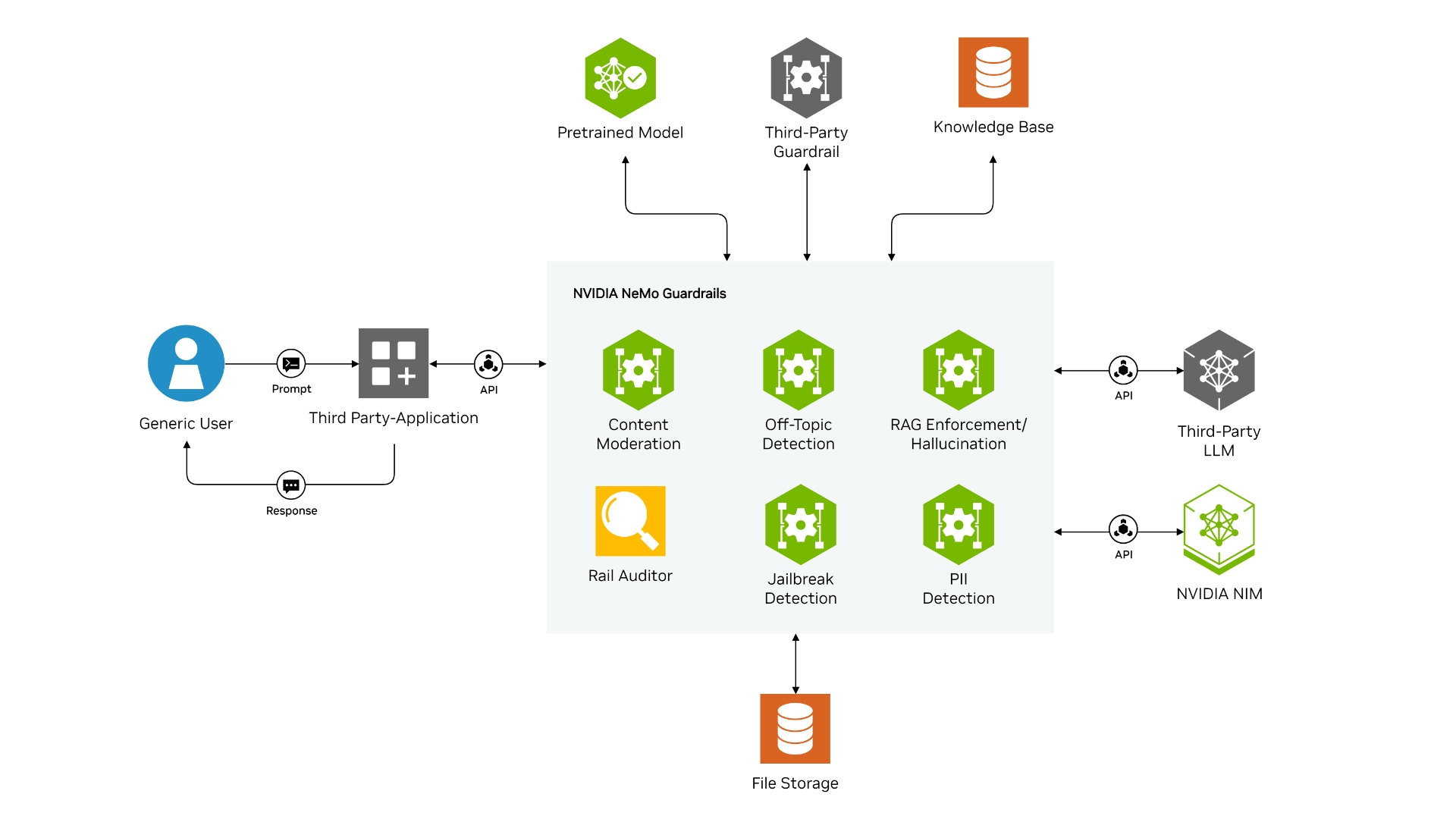
You end up with structured formats like ATOF for raw event logs, ATIF for step-by-step interaction reviews, and full OpenTelemetry traces that plug neatly into visualization tools like Arize Phoenix. This isn't just about collecting pretty graphs. It lets you evaluate real use changes across repeated runs, separating genuine architectural improvements from random luck.
Good engineering demands that we look beneath the surface layer of a successful run. Stop trusting the final output and start auditing the messy journey it took to get there.