Android 17 Breaks Tradition and Drops AOSP Releases
Android 17 just shattered a decades-long open-source precedent, and most developers haven't realized what it means for the ecosystem....

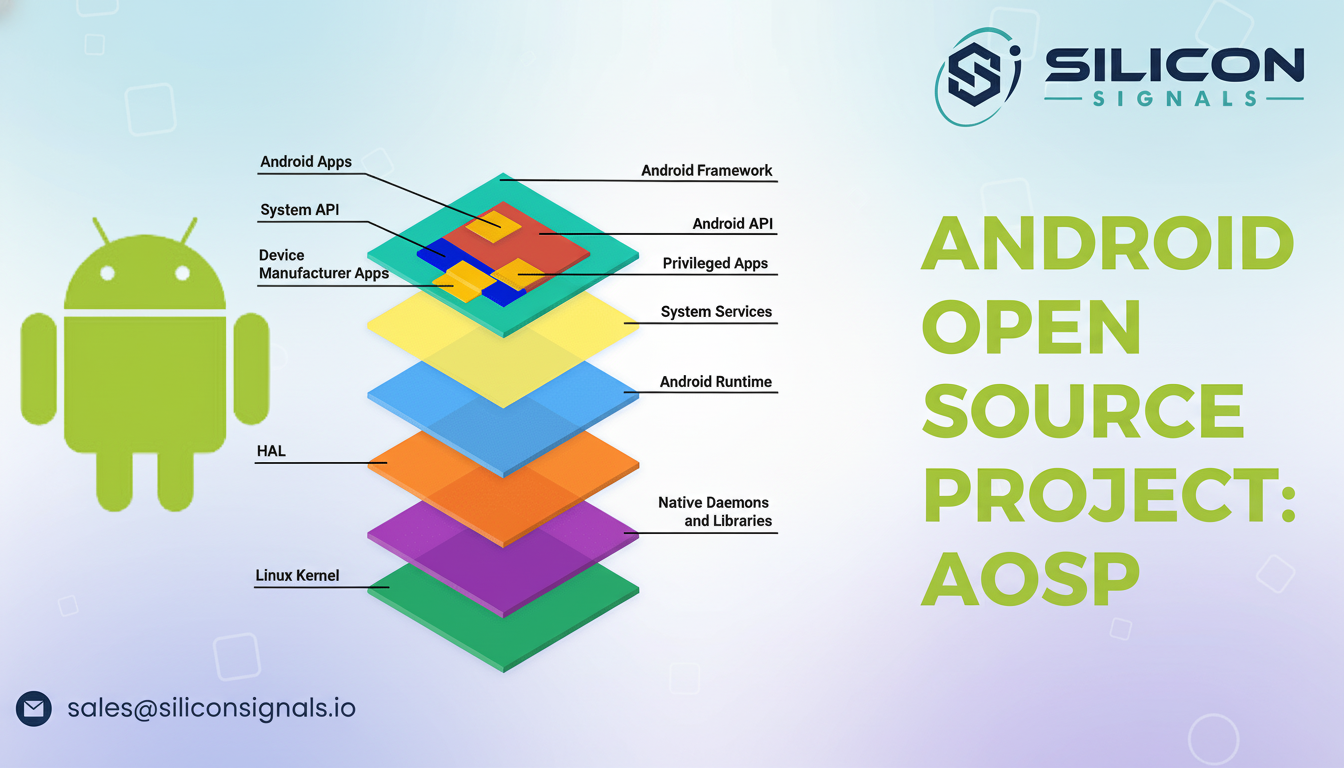
We need to talk about Android 17, because something fundamental just shifted in the mobile field. For the first time since the early 3.x Honeycomb days, Google has shipped new platform APIs without simultaneously pushing the code to the Android Open Source Project. Read that again. The walled garden just got a lot taller.
For years, the open-source nature of Android was its defining superpower! This even if you despised certain Google Play services, the underlying OS remained inspectable, forkable—and deeply transparent. But independent developers, custom ROM maintainers, and hardware tinkerers relied on AOSP day-in and day-out. Now? That foundational trust is eroding quietly in the background.
The official justification will inevitably mention fragmentation, release velocity, or security hardening. Don't buy it. When trillion-dollar gatekeepers start locking down source trees under the guise of progress, it usually means control has finally outweighed community. Good engineering thrives on visibility. Obscurity helps no one except the compliance and monetization lawyers.
Small teams and independent product builders are the ones who ultimately pay the price for this shift. If you are building native apps that rely on bleeding-edge OS tools, you are no longer building on an open platform; you are renting space in someone else's closed ecosystem. The friction is mounting.
I miss the days when operating systems felt like shared public infrastructure rather than proprietary toll roads. Android 17 isn't just an OS update. It's a loud signal about where mobile computing is heading. And honestly, the view from here isn't looking all that open anymore.









