Autonomous End-to-End Systems and the Shift in Software Testing
Perplexity’s shift toward autonomous end-to-end systems powered by advanced AI models signals a major change in how we approach production monitoring and testing....
Every time a new frontier model drops, the industry braces for another wave of marketing hyperventilation. We are told that the latest iteration of artificial intelligence will replace everyone from copywriters to junior developers by next Tuesday. But beneath the deafening roar of the hype machine, some engineering teams are actually figuring out how to use these tools for grinding, practical infrastructure work.
Take Perplexity, for instance. They are leaning heavily on OpenAI’s newest flagship architecture, GPT-6 Astra, to handle tasks that used to require constant human babysitting. According to their co-founder Johnny Ho, the real breakthrough isn't just that the model writes decent code—it’s that they can finally trust an agentic loop to monitor production software, draft communications, and modify live systems without requiring a nervous engineer hovering over a terminal every five minutes.
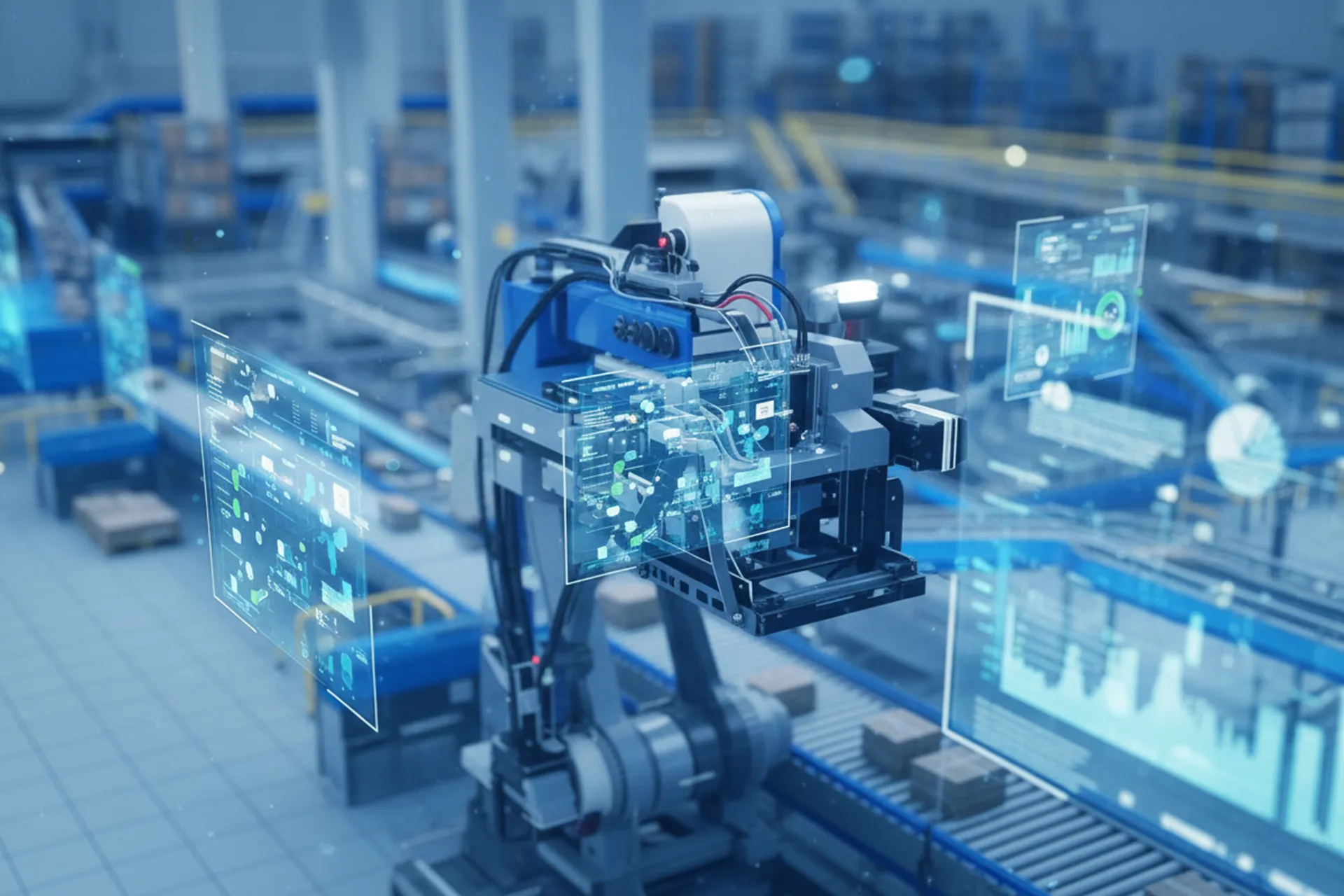
What catches my eye here isn't the autonomous comms writing; it’s the testing workflow. Testing has always been the unglamorous tax we pay for shipping software. Writing mock APIs and realistic failure states is tedious, which means developers usually rush it or skip it entirely. Using an advanced model to spin up a mock testing harness that bombards your application with realistic, edge-case responses changes the economics of verification.
Of course, handing the keys of an end-to-end system over to an opaque neural network still requires a healthy dose of paranoia. Trusting a model to touch production implies your observability and safety rails are airtight. But if we are moving toward an era where machines can reliably test their own outputs and maintain continuous oversight, the bottleneck in software development shifts completely away from writing code and squarely onto system architecture and intent.