NVIDIA Cosmos-H-Dreams and the Shift to Real-Time Generative Simulation
Real-time generative simulation is changing how we train surgical robots, moving past brute-force physics engines toward learned visual dynamics....

We have spent decades writing brittle physics engines for robotics, manually coding every collision and interaction while praying reality doesn't break our assumptions. It's an exhausting way to build software. But world foundation models offer a genuinely compelling exit ramp from this manual labor trap by learning dynamics straight from raw video and kinematics. Instead of authoring rules, the system watches what happens and infers the physics. That model shift reached a fascinating milestone with NVIDIA Cosmos-H-Dreams, a structure that shrinks heavy world models into snappy, real-time surgical simulators.
The path here makes complete sense if you have watched the compute bottlenecks over the last few years. The original surgical simulators were impressive offline tools, capable of generating predictive video rollouts after chewing through heavy batch processing. Useful for synthetic data, sure. Terrible if you actually wanted to interact with the space in a closed loop. Cosmos-H-Dreams fixes the latency problem through clever distillation, compressing a sprawling bidirectional teacher model into a causal student that streams frames autoregressively on a single RTX workstation card.

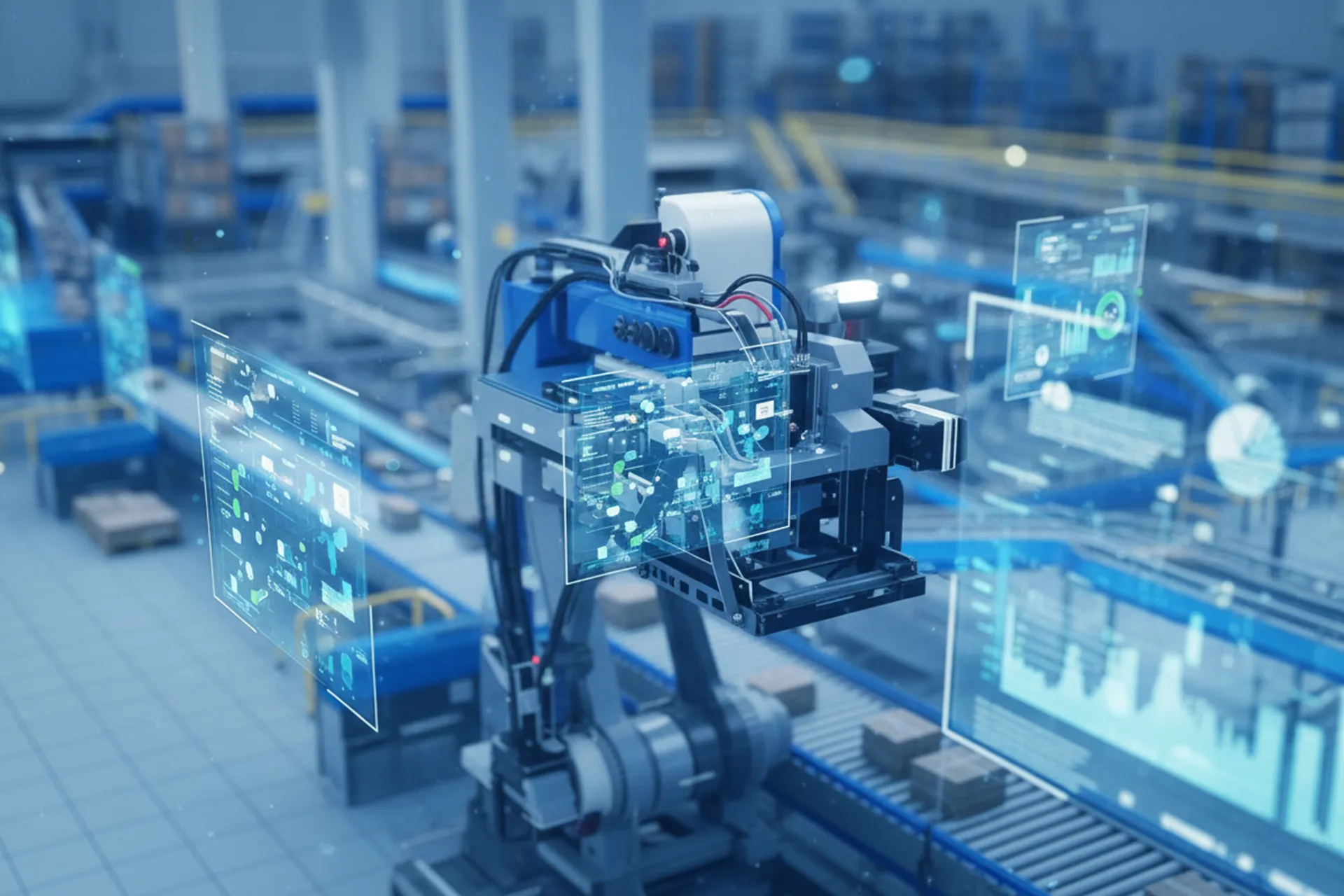
This is where engineering meets practical utility. By mapping complex dual-arm kinematics – think delicate dVRK tabletop suturing – into a responsive, action-conditioned stream, they have built something that a human operator or a learned policy can actually drive in real time. [IMAGE]
Collaboration with hardware platforms like CMR Surgical's Versius shows this isn't just a lab trick trapped in a Jupyter notebook. We are looking at interactive, generative environments that can blend rare surgical complications on the fly. Letting reinforcement learning agents smash themselves against edge cases safely before touching biological tissue.
I'm always skeptical of heavy corporate AI announcements! The distillation down to consumer-grade or prosumer hardware is where real progress happens. See the pattern? In a way, locally, when foundational features leave the cluster and run on a single GPU. I suppose, small teams can finally start building things that matter. The future of robotics simulation isn't about massive supercomputers rendering polygons; it's about lean, distilled models capturing the chaotic friction of the actual world.