Inside the Push for Automated AI Research and Faster Labs
OpenAI just claimed they hit their automated research intern milestone. Let's look past the PR and talk about what this acceleration actually means for builders....
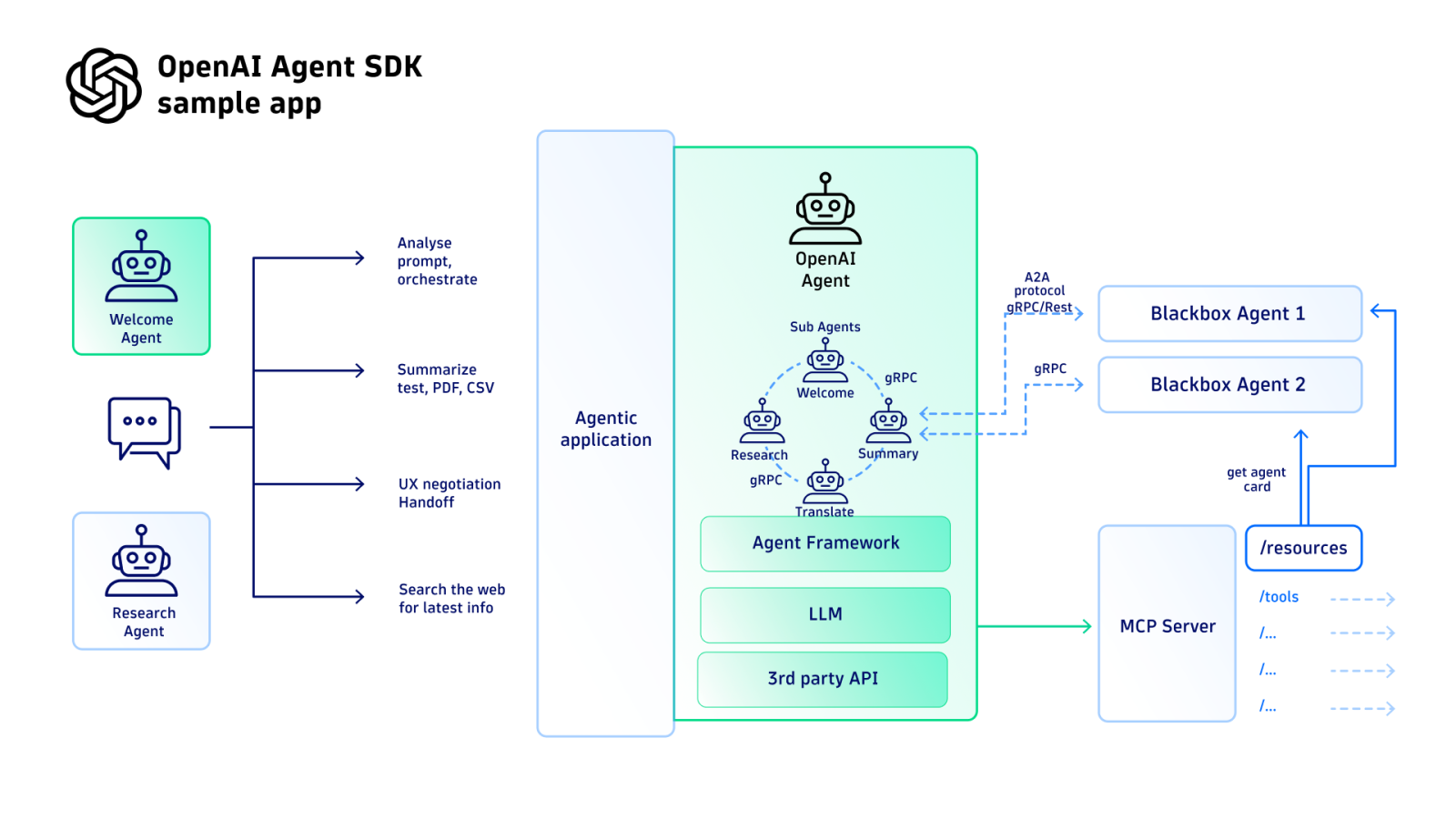
OpenAI dropped a dispatch recently claiming they successfully deployed an automated research intern. They framed this milestone through the comforting lens of public awareness and democratic governance. Noble goals. Yet beneath the heavily polished messaging about benefiting all of humanity lies a much sharper, narrower reality: the internal race to automate the actual act of building artificial intelligence is accelerating way faster than anyone outside those rooms cares to admit.
Engineers are leaning hard into autonomous coding agents now, spinning up concurrent sessions and pushing out experiments at a blistering clip that leaves traditional development cycles completely in the dust. The bottleneck shifted overnight. Writing syntax isn't the hard limit anymore, leaving human taste, architectural judgment, and stubborn direction as the only things keeping the runaway machine remotely on the rails.
Skepticism remains mandatory here. Automated researchers can theoretically draft alignment guardrails or stress-test brittle infrastructures, but leaning entirely into recursive self-improvement as the primary fix for risks we are actively accelerating feels suspiciously like a snake eating its own tail. Why are we building much faster cars when the road ahead is completely washed out?
Tools change. Craft remains. Whether you operate local scripts on a modest machine or orchestrate heavy agentic workflows inside a frontier laboratory, the fundamental burden of creation never truly vanishes. Someone still has to decide what actually matters.
Hype cycles will come and go, but the actual work of shipping good software still belongs to the people willing to ask the hard questions.