Europe's AI Drive and the European Chip Strategy Paradox
Europe wants technological independence, but its aggressive AI expansion is locking it deeper into foreign hardware monopolies....

Brussels loves a grand industrial strategy. Write a bold regulation, set an impossible 2030 deadline, sprinkle some billions around, and cross your fingers. But physics and global supply chains rarely care about press releases. Right now, the European Union's ambitious campaign for technological sovereignty is colliding with a rather embarrassing reality: the continent's sudden, aggressive sprint to build out massive AI infrastructure is actively undermining its own chip strategy.
The math is brutal. The original Chips Act aimed for Europe to capture twenty percent of global semiconductor manufacturing by the end of the decade. Auditors are already laughing off that target, projecting a sluggish climb to barely eleven percent. Meanwhile, the Commission is doubling down on shiny new AI factories and sprawling data centers. Each of these facilities requires tens of thousands of heavy-duty processors. Here is the kicker. Europe doesn't actually make these chips. Almost every advanced GPU powering these grand European AI initiatives traces right back to American designers and Asian fabrication plants, heavily anchored by Nvidia hardware and its proprietary software lock-in.
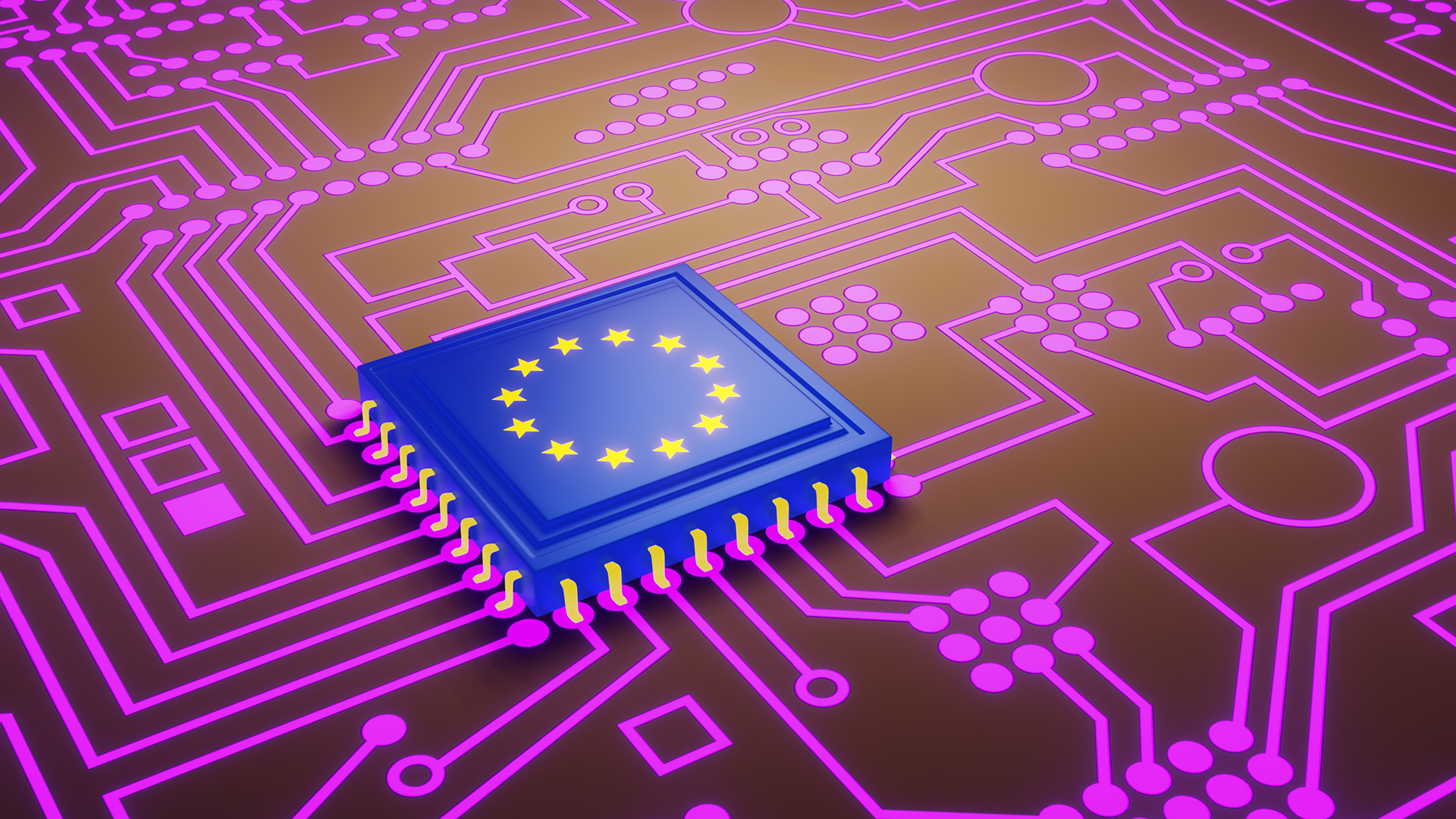
Rightfully, this creates what researchers are calling a demand trap. This by frantically spinning up AI compute centers today, Europe is locking its long-term digital base into a dependency on a single U. S. Supplier. They want to stimulate — and this matters — local demand to trick manufacturers into building fabrication plants locally. For the most part, Yet the immediate result of rushing out AI gigafactories is a massive spike in imports for foreign silicon. You cannot legislate away a decade of semiconductor lag by simply ordering more clusters.
True capability requires actual foundational craft, not just buying compute off the shelf and calling it digital sovereignty. If policymakers spent half as much time fixing the engineering fundamentals as they do inventing bureaucratic acronyms, maybe Europe wouldn't find itself playing a very expensive game of catch-up while holding someone else's hardware.