Why DharmaOCR Proves Specialization Beats Raw Scale
Newer foundational models keep growing, but DharmaOCR proves that targeted domain specialization still crushes brute-force scaling for Brazilian Portuguese extraction....
The AI world is entirely obsessed with raw scale. Every week brings a massive new foundational model boasting trillions of parameters, endless context windows, and generalized capabilities that supposedly handle everything from medical diagnoses to poetry. So, but I am always skeptical of generalist hype. When you stretch a model across a hundred different languages and tasks, its attention scatters. The recent data was found on DharmaOCR so refreshing by that is why I. Despite competing against newer architectures like Mistral OCR4 and Unlimited-OCR, this specialized system completely outperformed them on Brazilian Portuguese text extraction.
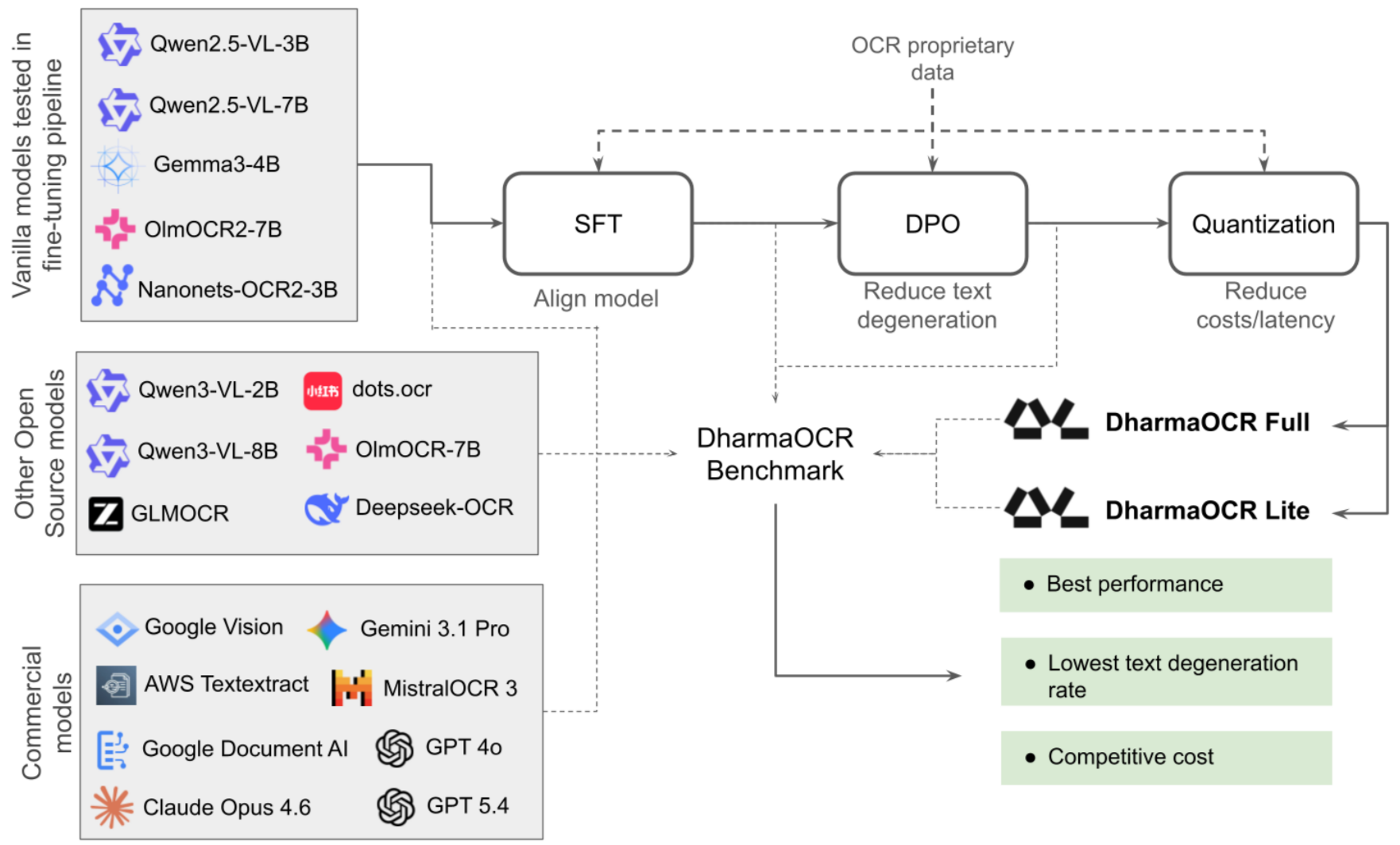
How did they pull it off? They didn't just throw more compute at the problem. Instead, the creators engineered a deliberate two-stage training pipeline. First, they used supervised fine-tuning to anchor the model's weights directly into the — to be fair — specific vocabulary, syntax. And gnarly document layouts native to Portuguese. Instead of wasting representational capacity on dozens of other languages, every single parameter worked hard on the target domain; then, they applied Direct Preference Optimization to stamp out erratic generation behaviors. This second phase wasn't about boosting raw intelligence. It taught the model how to stop hallucinatory loops and repetitive gibberish before they ever hit a live environment. It taught the model how to stop hallucinatory loops and repetitive gibberish before they ever hit a live space.
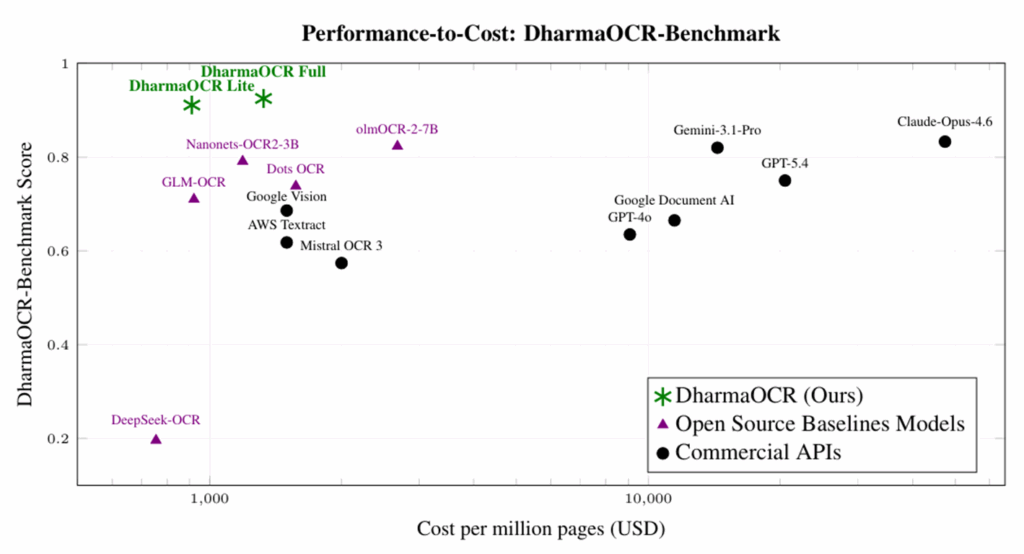
To be fair, this reveals a basic truth about machine learning that marketers love ignoring: setup sets the ceiling! It however, training dictates reality. Only, a shiny new model with a massive parameter count matters if those factors are actually allocated well. But why does this matter? As soon as you narrow the focus. When you build a generalist, you get a jack-of-all-trades that trips over regional subtle and complex layouts. Also, tune for real-world output constraints, smaller models suddenly punch way above their weight class.
In the end, this is a massive win for craft over brute-force engineering! The we don't need — and this matters—endlessly bloated models for every single niche workflow. So what changed? Deeply, the team need focused tools built by people who understand the domain. If you want reliability in (interestingly) output, stop waiting for a magic generalist to save you. Specialize, train with intent; and, watch the results speak for themselves. And, watch the results speak for themselves.