Why Linux Mint Replaced Ubuntu as the Best First Distro
Ubuntu used to own the onboarding crown for new open-source converts, but creeping corporate bloat and telemetry choices handed the crown to Linux Mint....
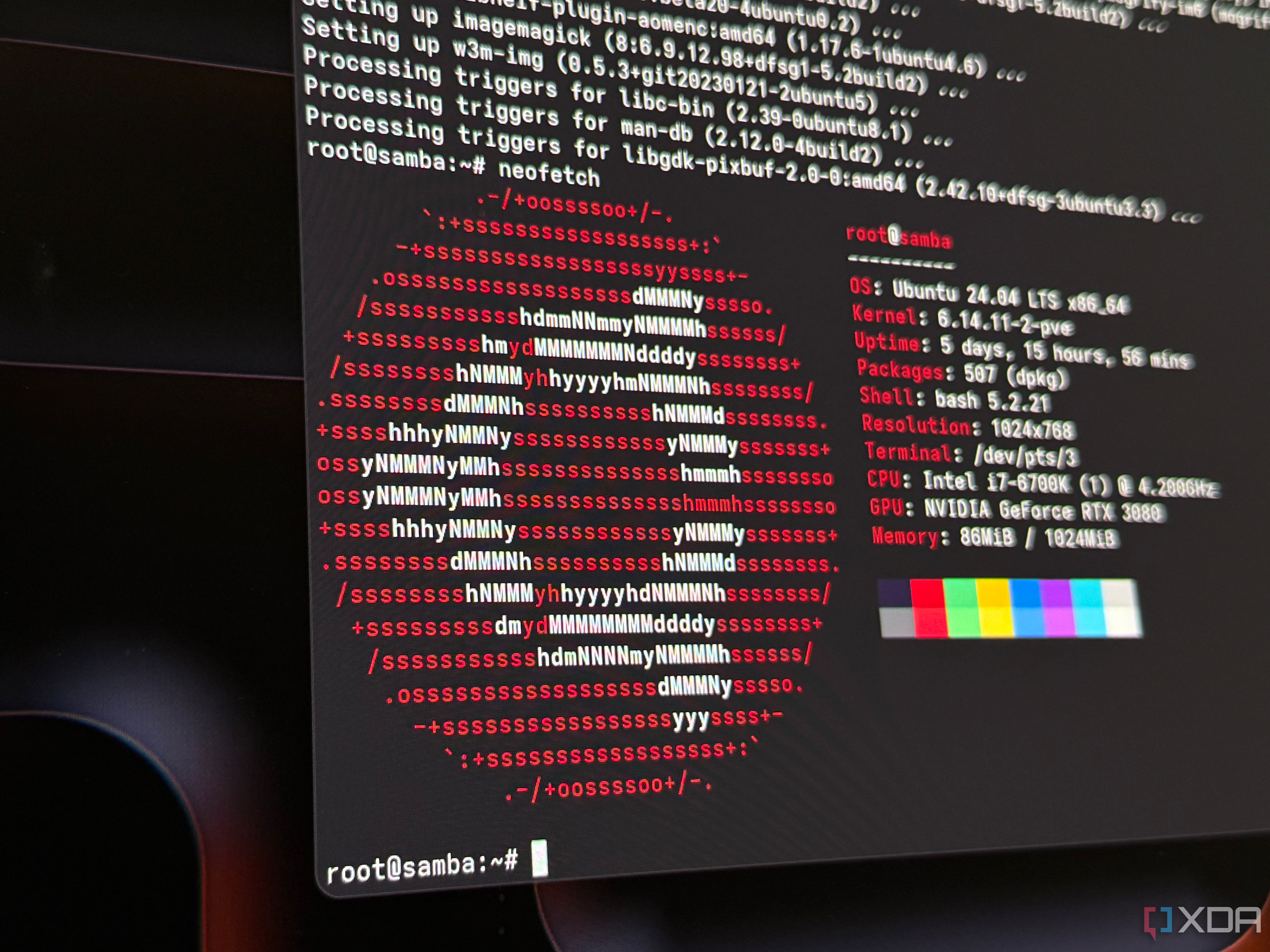
Ten years ago, recommending Ubuntu to anyone curious about open-source felt almost sacred. It worked. Hardware just cooperated, the interface welcomed you, and the terrifying terminal-heavy friction keeping everyday users chained to proprietary operating systems simply melted away.
Fast forward to today, and the field has fractured wildly because Canonical lost the plot somewhere along the corporate highway, aggressively pushing forced package managers and heavy-handed telemetry down the throats of developers who originally made them famous.
People wanted speed. They got bloat instead. Why do companies always ruin good developer tools?
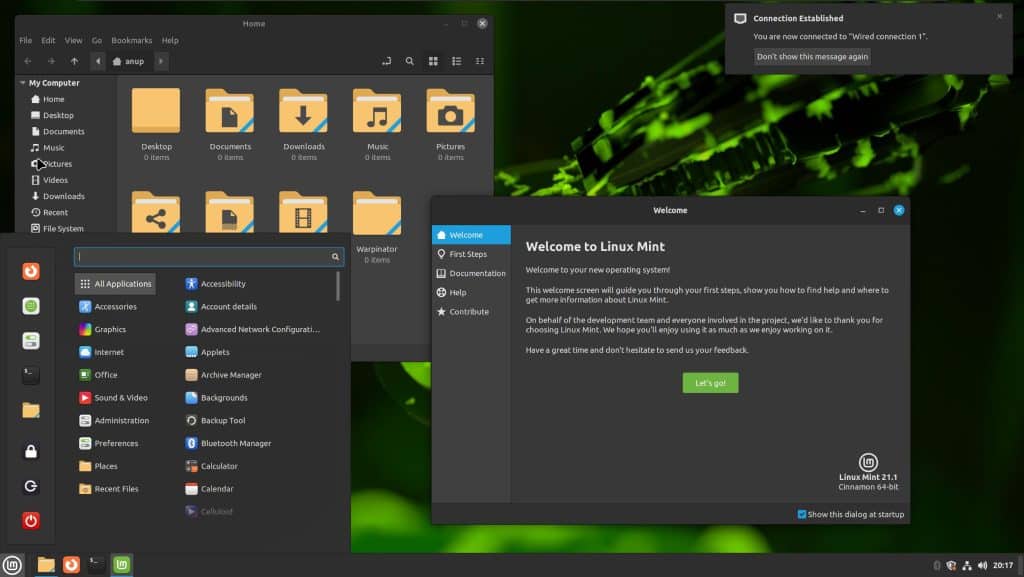
Mint captured the old magic. It treats you like an adult. Traditional roots, zero obnoxious architectural mandates, and a lightning-fast desktop environment that respects your hardware choices while staying completely out of your daily workflow.
Momentum fades fast. Humility lasts. Mint won by simply listening, whereas top-down corporate control ultimately invites inevitable displacement.
Advanced hackers eventually wander off toward rolling releases or hyper-customized tiling window managers, but that completely misses the fundamental point of an onboarding operating system that gently welcomes newcomers into a vast world of absolute computing freedom.









