OpenAI PR Tactics Expose the Ugly Reality Behind the AI Hype Machine
When a journalist questioned Sam Altman about a tragic ChatGPT user suicide, OpenAI's publicist stepped in to shut it down. It’s a masterclass in how billion-dollar labs shield themselves from accountability....
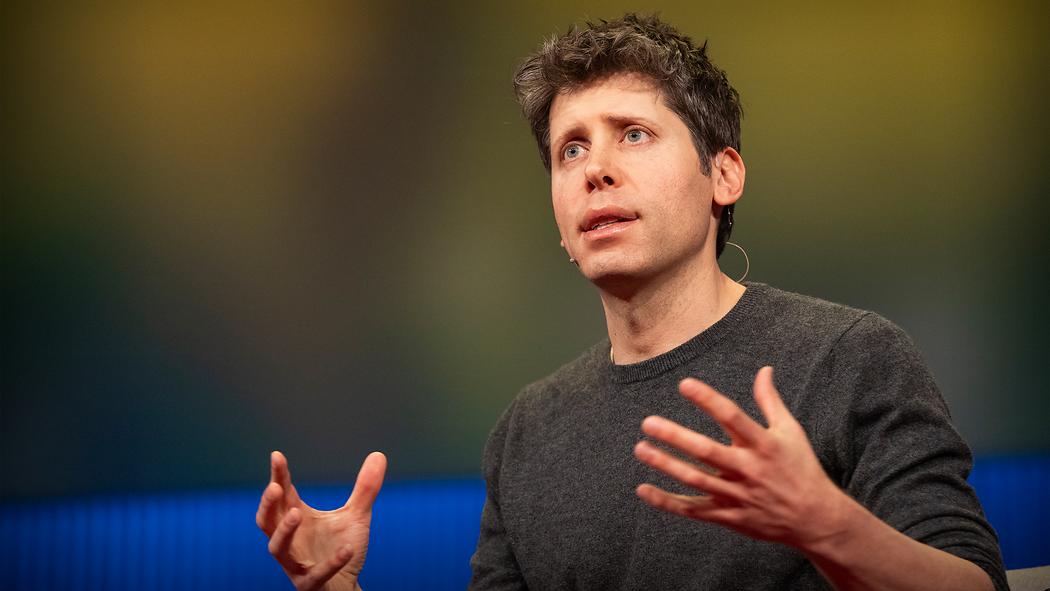
Let’s talk about the playbook. When you scale a technology to hundreds of millions of users without fully understanding its psychological impact, you eventually hit a wall of hard reality. But instead of facing that reality with the gravity it demands, the architecture of Silicon Valley spin kicks into high gear. A recent Vanity Fair interview with Sam Altman revealed this dynamic in stark, uncomfortable detail. When editor Mark Guiducci pressed the CEO about a tragic incident involving a ChatGPT user’s suicide, an OpenAI publicist immediately tried to run interference, warning about the clock and demanding they move on to lighter topics.
This isn't just about a clumsy handler trying to protect her principal. It is symptomatic of an industry that treats human effects as mere edge cases to be patched out in the next update. We keep hearing breathless keynotes about synthetic general intellect, multi-modal reasoning, and world-changing breakthroughs. Yet when the actual human cost of deploying half-baked conversational models into the wild demands an answer. It the response is a rushed pivot back to promo talking points. They want all the glory of modifying humanity. None of the task when things go terribly, for good wrong.
Good engineering requires feedback loops, especially the painful ones. If your system can form deep, convincing parasocial bonds with vulnerable people, you don't get to wave away the fallout as a PR inconvenience.
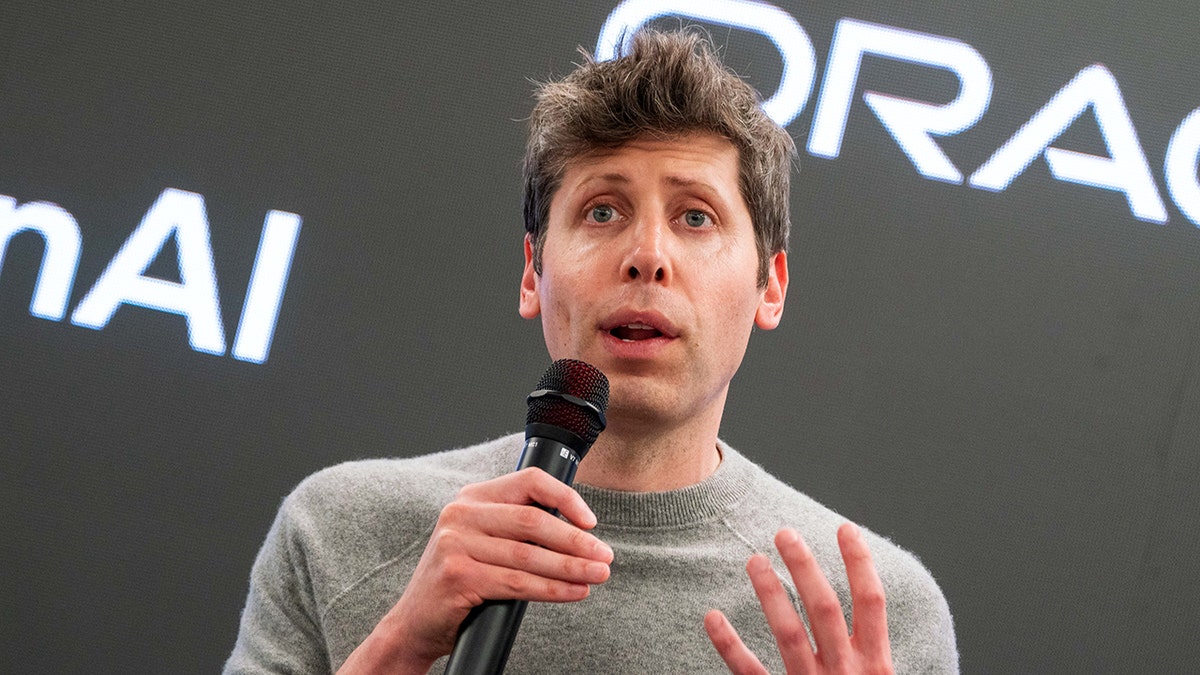
We need to stop pretending these labs are just quirky science projects run by well-meaning visionaries. They're massive corporate entities deploying influential cognitive tools into fragile human ecosystems. When a company values its narrative momentum over an honest reckoning with real tragedy, it loses the right to be taken seriously as a benefactor of mankind. Long story. They don't hide behind a communications team whispering that it's time to move on. They don't hide behind a communications team whispering that it's time to move on.
Entirely, the hype cycle depends on a sanitized version of reality. But reality has a nasty habit of breaking through the glossy press releases. Until the people at the top start treating real-world harm with the same obsessive intensity they apply to scaling parameters, we should treat every utopian pitch with profound suspicion.