Why OpenAI's 'Dots' Miss the Point of Real Engineering
OpenAI wants you to hand your entire workflow to autonomous cloud agents called dots. But true builders know that losing control is a feature, not a bug....

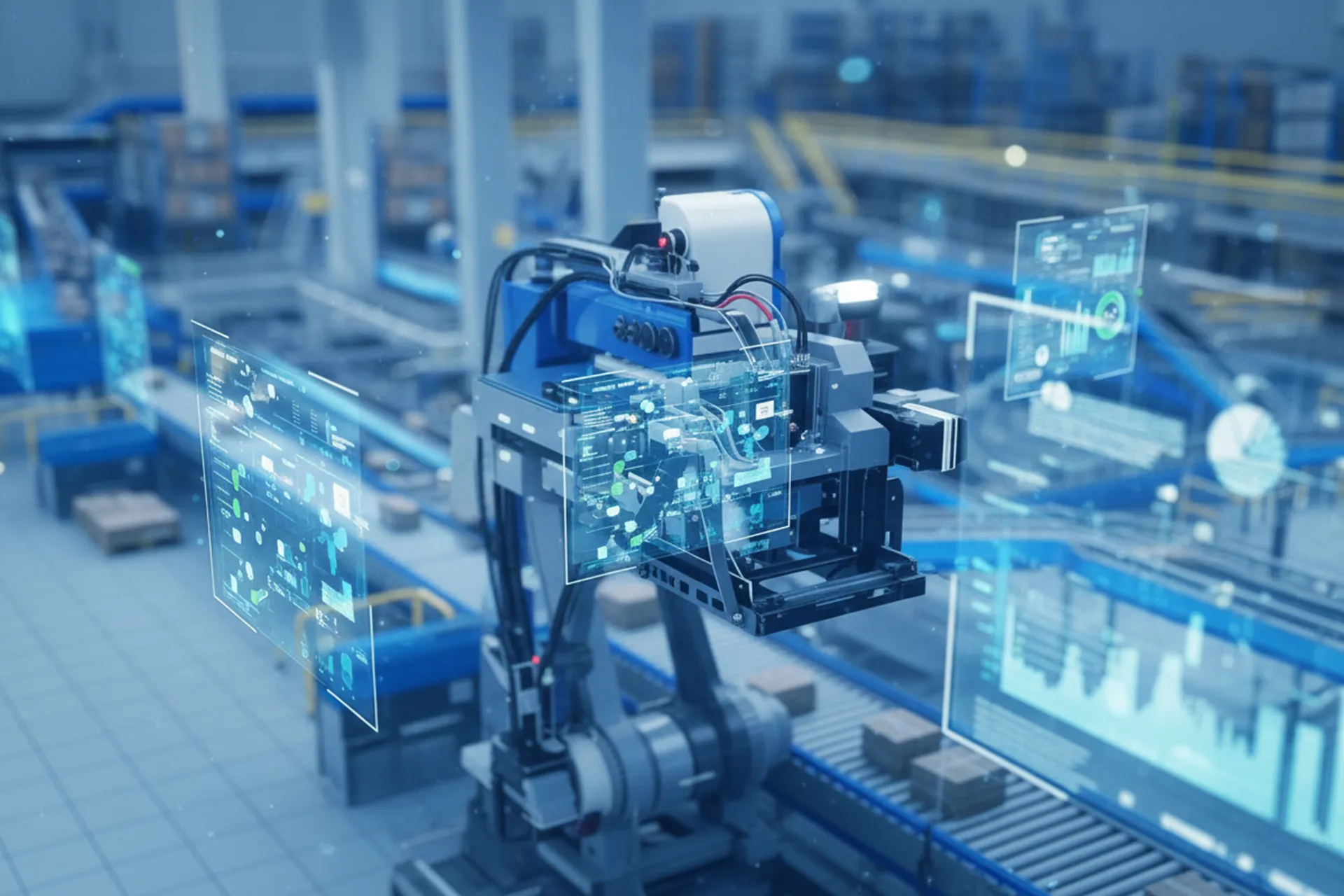
OpenAI just dropped their latest pitch for total technological dependency, and they’ve given it a aggressively casual name: dots. The premise is familiar yet exhausting. Instead of you sitting at a terminal or wrestling with a codebase, an always-on, cloud-dwelling autonomous agent will supposedly live in your Slack, monitor your browser, spin up its own virtual machines, and quietly handle the tedious reality of modern work while you ponder the grand vision. It is marketed as the ultimate liberation from administrative drag, an omnipresent digital colleague designed to anticipate your needs, write your invoices, refactor your bugs, and quietly execute your strategic ambitions behind the scenes.
I look at this, which i feel a profound sense of fatigue. The we are accelerating so fast toward a future where nobody actually understands how anything works underneath. These agents are backed by massive data muscle and wrapped in slick promo about getting your time back. But they treat software creation as a black box magic trick. When an AI agent wakes up in the middle of the night to fix a deployment issue on a remote virtual machine without human oversight. You aren't saving time – you're accumulating silent tech debt that will eventually implode in ways you can't predict. Real engineering demands rigor, tactile familiarity with your tools, and a deliberate idea of every single moving part.

The pitch insists these entities learn your personal standards; and, preferences over time, mimicking your unique expert voice — surprisingly enough. And yet! The way I see it, the just, but code and craft aren't outputs to — or more precisely, be generated by a glorified remote assistant. Why does this matter? Plus speaking of which, they are the real result of critical thinking and iterative struggle — in a way. The when you abstract away the friction of — and this matters — execution, you also abstract the deep insights that come from actually doing the work yourself. Entirely, handing a project to a swarm of background (surprisingly) agents so you can remain in the clouds of high-level ideation sounds wonderful on paper. But it deeply disconnects you from the reality of your own systems.
Actually, in the end, we need to ask ourselves what we're boosting for! This If the goal of modern software development is simply to detach humans from the physical keyboard as quickly as possible. Then sure, welcome to the age of the dot — at least for now. But if you care about building resilient, understandable systems that you can stand behind with absolute confidence, you have to stay close to the metal. Make sense? Hype will always try to sell you the illusion of effortless (interestingly) scale, but craft is forged in the trenches of discuss, hands-on iteration.