Android Motion Assist Proves Utility Still Beats Hype
Google's Motion Assist is finally landing on Samsung devices, proving that solving real physical friction matters more than flashy, half-baked software trends....
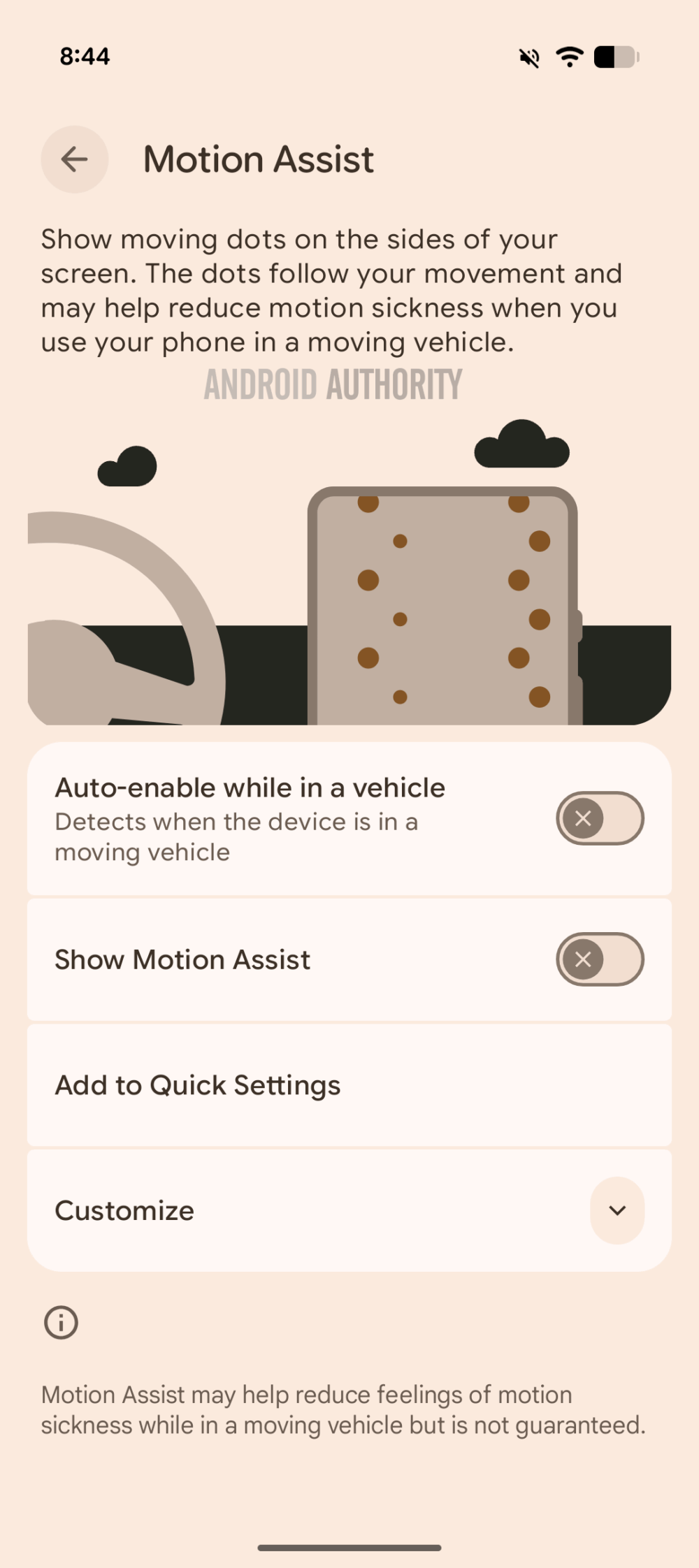
Every time the major mobile platforms roll out updates, we're usually subjected to a relentless wave of promo about generative AI assistants. Lock screen customization, or some other superficial feature designed purely for keynote applause. Right. That's why I find the quiet rollout of Android Motion Assist to Samsung Galaxy devices genuinely refreshing. Google originally introduced this clever utility to Pixel hardware. And watching it expand across the ecosystem reminds us that software can actually solve physical human problems without needing a trillion-dollar data center behind it.
If you have ever tried to read a document, check a map. Or reply to a Slack message in the back of a moving car or train, you know the instant, nauseating toll of vestibular conflict. It your eyes tell your brain you are staring at a static interface, while your inner ear insists you are careening down a highway. Motion Assist tackles this classic motion sickness trigger by overlaying subtle. Animated dots on the screen that mimic the vector of actual physical movement. If you think about it, it gives your peripheral vision the necessary context cues to stop your stomach from turning, requiring zero extra hardware sensors to pull off.

What I respect most about this rollout is its sheer pragmatism. It does not try to reinvent the operating system or demand a new subscription tier. It is a targeted piece of software engineering addressing a universally annoying physical friction point that mobile users have endured for nearly two decades. Too often, modern product development gets obsessed with adding complex layers of abstraction that nobody asked for. But why does this matter? Completely ignoring the gritty, everyday details of how humans actually interact with their devices in the physical world.
As someone who spends a lot of time thinking about craft and utility in software, this rollout is a great blueprint for how platform features should behave. It is unassuming, highly functional, and genuinely improves the day-to-day lives of people who use it. While the rest of the industry chases speculative tech trends, I will take small, thoughtful engineering wins like Motion Assist any day of the week. No doubt. Honestly, While the rest of the industry chases speculative tech trends, I'll take small, thoughtful engineering wins like Motion Assist any day of the week.