The Economic Impact of AI According to Anthropic’s Grand Macro Model
Anthropic dropped a massive macroeconomic forecast predicting a $44.4 trillion U.S. GDP by 2030 through aggressive AI adoption. But the fine print suggests knowledge workers might want to learn how to wire a house....
Tech companies love a grand macro forecast, and the latest entry comes from Anthropic. Which recently published an economic model predicting that the economic impact of AI could skyrocket U.S. GDP to $44.4 trillion within four years. As it turns out, the naturally, this utopia of exponential wealth creation comes with a massive catch: we have to adopt AI everywhere, at once. And hope the math holds up. It is an impressive piece of digital storytelling. Complete with interactive simulators where you can tweak assumptions and watch the lines go up.
Behind the flashy GDP projections lies a very specific view of how labor actually functions! Truth be told, this a, anthropic uses a nurse's workday to illustrate task-level automation, dividing labor into what gets erased, augmented, or entirely handed over to machine, at least for now. And yet. So what changed? While physical tasks like bathing patients, to be fair, remain untouched, knowledge work and admin overhead get thoroughly put through the algorithmic blender. The underlying thesis is straightforward: if a bot can do half your desk job without supervision. The overall pie grows hugely, even if your slice of it starts looking a bit flat.
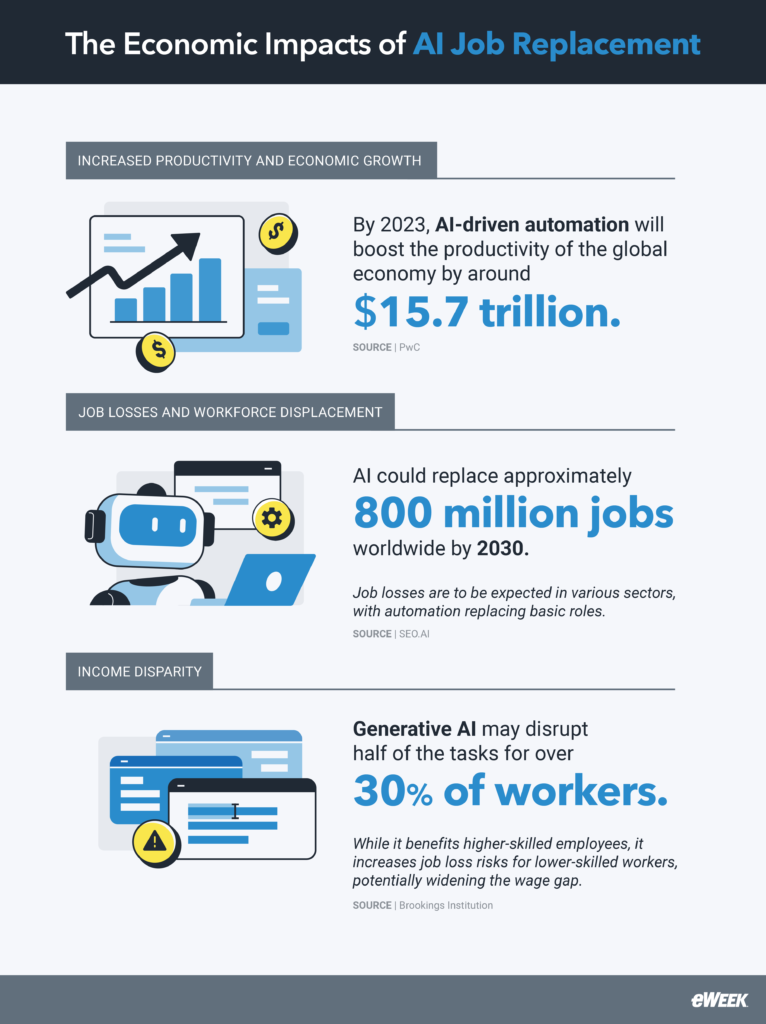
What gets fascinating, and slightly absurd, is where the model suggests displaced knowledge workers should end up. In their vision of extreme tech integration, white-collar employees whose tasks have been automated may need to pivot to physical trades like becoming an electrician or a nurse. There is a strange irony in telling software developers and analysts that their future lies in pulling physical copper wire or managing hospital dashboards, as if pivoting careers from a laptop to a toolbox is just a weekend hobby.
I am inherently skeptical of models that treat societal shifts like a spreadsheet optimization problem. Pushing trillions in new GDP through heavy automation sounds great on a slide deck, but human labor isn't liquid software that you can recompile overnight. When hype meets reality, the transition is rarely smooth. Good engineering is about building tools that actually help people do meaningful work, not engineering a future where we all have to retrain as manual laborers just to keep pace with algorithmic growth.









