How GPT-5.6 Sol helps run quantum computing experiments in the lab
When an MIT grad student hooked an AI agent up to superconducting hardware, routine lab calibration finally stopped eating all the oxygen in the room....
Hype cycles come and go. Most of the time, artificial intelligence is shoved into products where it doesn't belong – a chatbot for a toaster, a summarizer for a spreadsheet that needed deleting instead. Once in a while, you look past the marketing noise and spot actual engineering happening, but every. That is precisely what caught my attention when I read about how GPT-5.6 Sol computing experiments quantum computing experiments down at MIT.
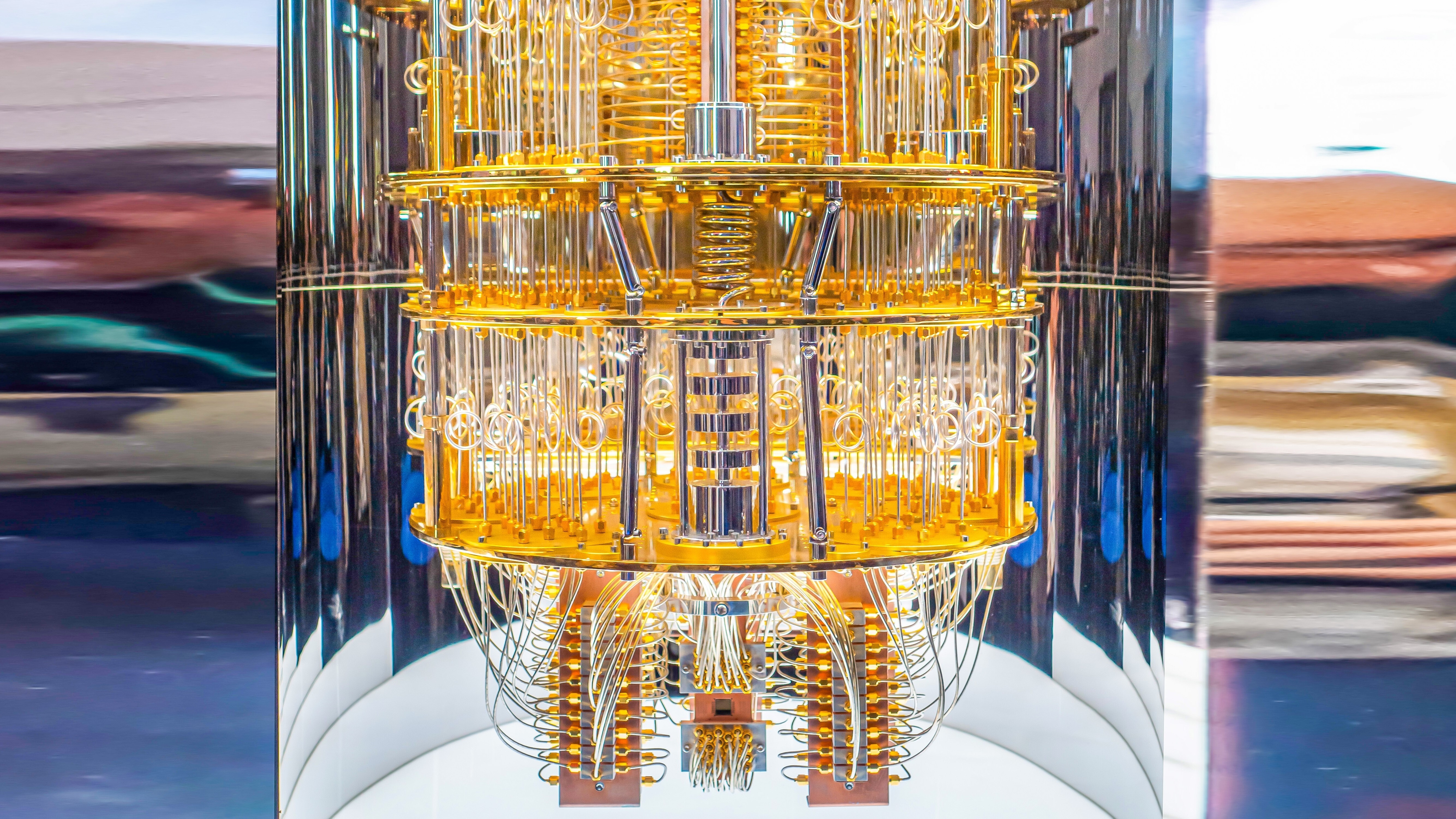
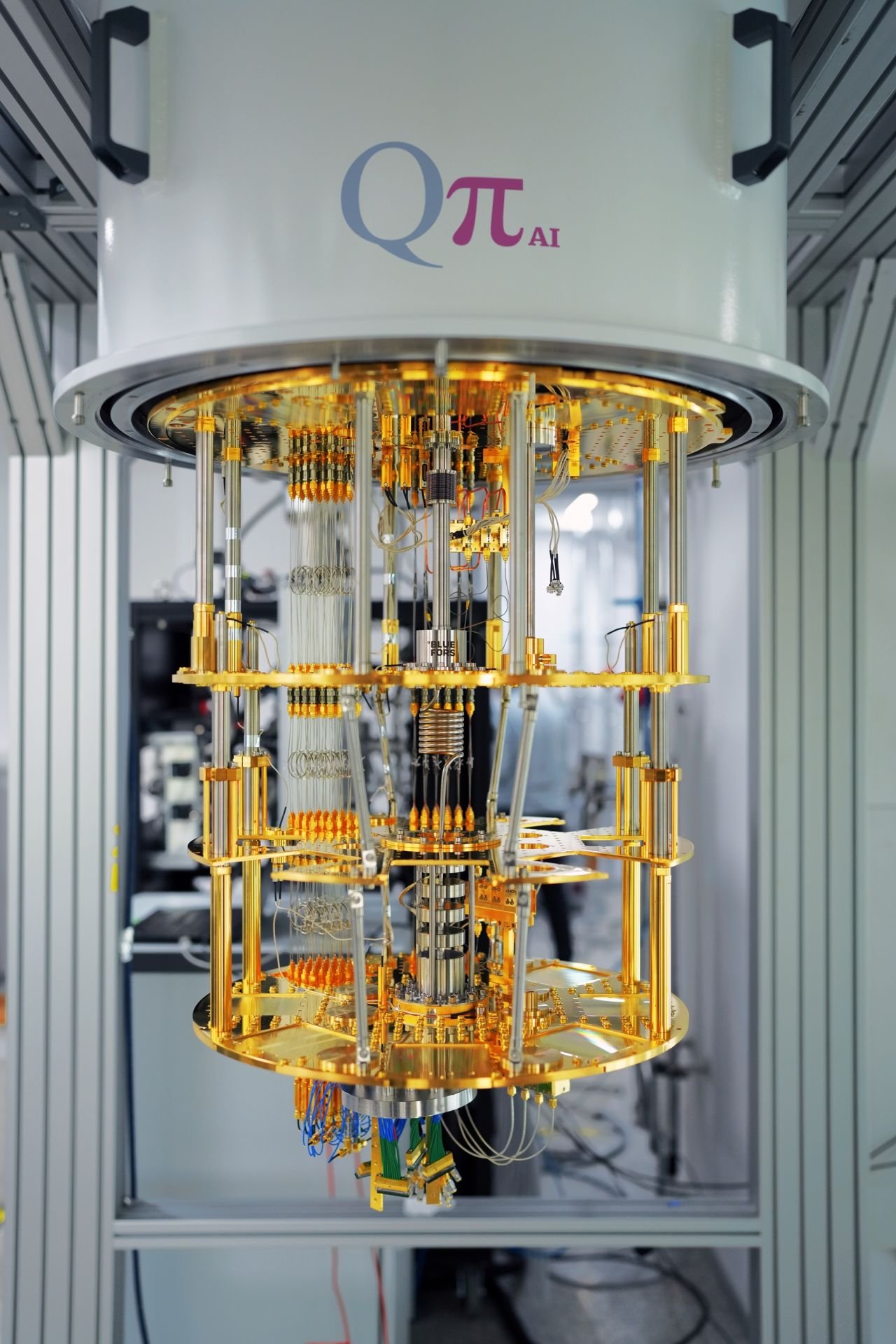
Should you have never spent time configuring superconducting qubits inside a dilution refrigerator cooled to a fraction of a degree above absolute zero, let me ruin the romance for you. It is mostly tedious babysitting. You write microwave pulse sequences, blast them at a chip, stare at the returning signals, check for resonance drift, tweak your parameters, and repeat that loop until your eyes cross. It takes months of grueling preliminary grunt work just to get a baseline dataset ready for actual analysis.
Enter Beatriz Yankelevich, a grad student in — to be fair — the Engineering Quantum Systems Group who decided she was tired of manual measurement loops. The Instead of treating Codex and GPT-5.6 Sol as a glorified text generator, she hooked the — or rather, agent directly into the lab software stack. Why does this matter? The model didn't just suggest code! Roughly speaking, it actively drove the hardware, interpreted messy calibration data, adapted when physical drift threw off the resonance frequencies. Also, autonomously executed multi-step steps while — or more precisely, the humans slept.
This is what real-world use looks like. It is not about replacing the researcher or writing cheap ad copy. That is about taking the repetitive friction out of hard problems so a brilliant mind can actually focus on designing better experiments instead of watching dials. We need more engineering targeted at removing drudgery and less noise about artificial general intelligence taking over the universe.
Good tools amplify human curiosity. When you let software handle the tedious calibration choreography of a six-qubit chip, you give physicists their time back. That is a win I can get behind every single day.